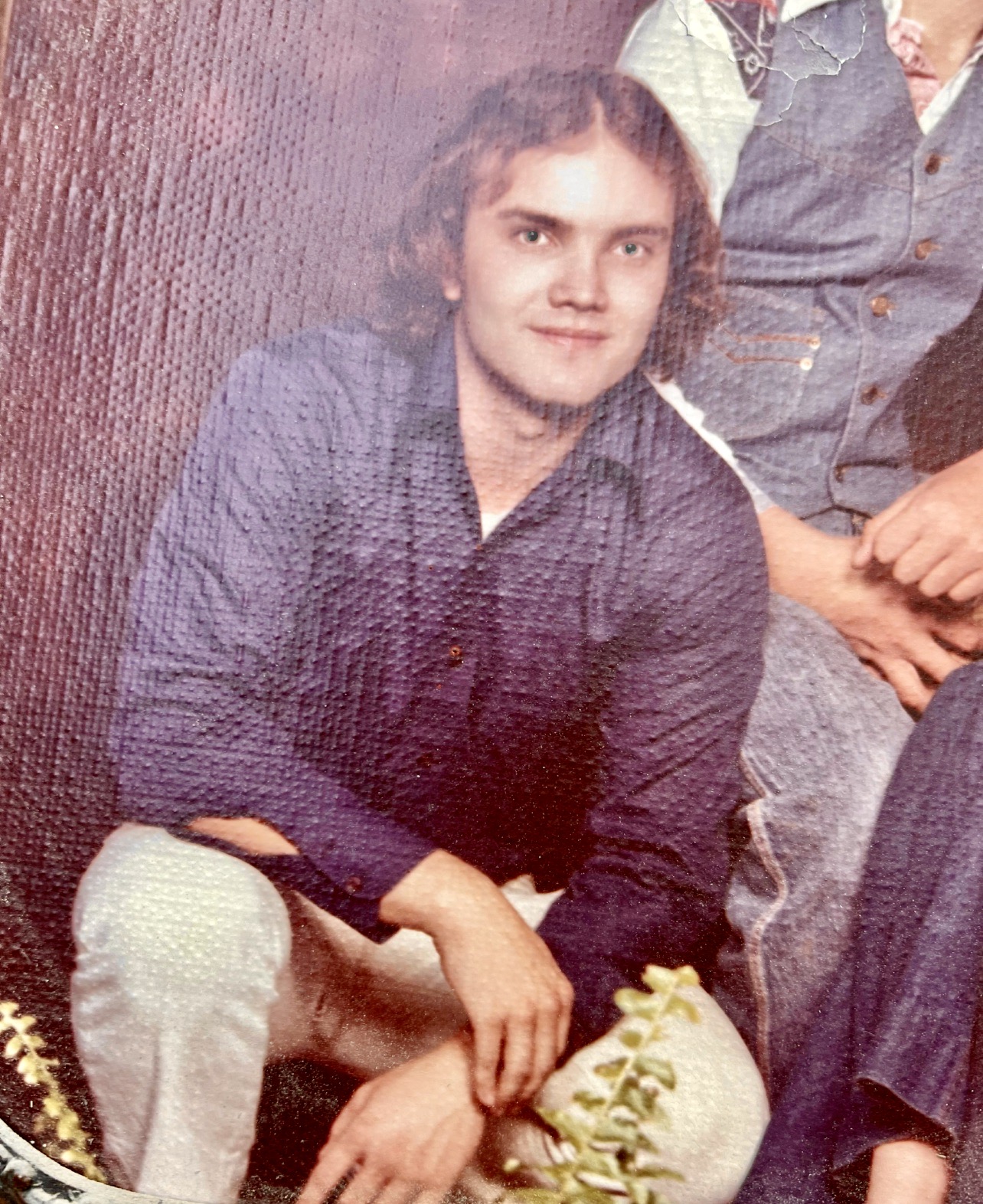
To Jamie At 70

Paling around with you Jamie I always knew something fun, risky, or outright naughty was in store. Boy did you pack some serious confidence in our capers, plus displayed an endless capacity for kindness.

Being this is your birthday I’ve been thinking over our shared escapades and memories, and three moments stand out from our school years.

It must have been around 1968 or ’69 I had a slumber party in our basement. OJ was there, and pretended to sleep while we put her hand in warm water to make her pee. Hilarious. But the high point of that night happened when some boys showed up at the window in the downstair’s bathroom. It was BB, remember him? There were also some other guys but B was the one you ushered through the window.

My heart fell into my feet because my parents were just up a floor and easily could have caught us. Also, your gutsy move in bringing a popular boy into my house was pretty damn cool. And that is a daring that simply reveals your audacity, even as a pre-teen.

Besides B was cute-I can see you nod as you read.

Sometime later, I’m sure there was snow on the ground, you called, inviting me to spend the night at your house. You laid down some big time pressure for me to convince my mom to let me come over. God knows what deals I had to negotiate, but I knew this invite was more of a summons, and I couldn’t refuse. When I got there you were pleased, smiling like the Cheshire Cat. In the living room you turned and put on an album on that stereo in the corner, then handed me the cover. It was the White Album, and you were the first person I knew who bought it. I can’t describe how much that meant, the kind consideration you extended by sharing that treasure with your lucky friend. I still think about that night, especially if a song from that album plays. Thank you again, it was a summons worthy of honoring.

Cocolalla Lake was the site of your most memorable achievement. If you recall my dad took us to our lake cabin in his truck and dropped us off. Debbie W came along and someone else. Maybe you remember our fourth. At any rate, after he left we all talked about how to get beer. We pooled our cash and you walked across the lake to the Sagle Market with somebody, maybe our fourth. All of 16 years old, you must have exuded that Jamie confidence and returned with the goods—a case of Coors. And we had quite the party, peeing outside and playing music at top volume.

A couple of days later my dad came to collect us, again in his truck, and we had tied up 24 beer cans, carefully weighing them down with the garbage we had to haul out.

Sitting on each others laps, it was, after all the early 1970’s, so who needed for seatbelts? As dad hit 60 miles per hour the trash bags started to whip open in the back, and sure enough beer cans popped out like a bag of popcorn. The jig was up and my stomach, once again, fell into my feet, but not you, Jamie. You sat serenely enjoying the drive. I swear you have cast iron nerves. At any rate we returned to Spokane with a much lighter load of trash, and wonderful memories of our weekend.

My dearest friend, your strength, intellect, and creativity made a deep impression on me back in those early days as I am sure it has for many others you have befriended through the years. Enjoy a most happy 70th and continue that honorable path you forged when we were just little girls.

Love you,

Gail

PS-My dad never said a word about the beer cans.
A Rendezvous

One central  philosophy guided my years of American history instruction. The story had to feel personal to each student, after all it is their country. For the unit on World War Two, I aimed to act as a bridge between my grandparents generation to the kids seated before me. While growing up, my grandparents played a large part in shaping my world view, as the old folks often shared their life experiences. Each had a unique tale on how they committed to fight totalitarianism abroad in the 1940’s, and defend democracy at home. 

All the following accounts involved inconvenience, sacrifice, and interruptions to family life. At that singular moment all they knew was to serve their country, and defeat foreign tyranny. 

A new dark age lay in America’s defeat.

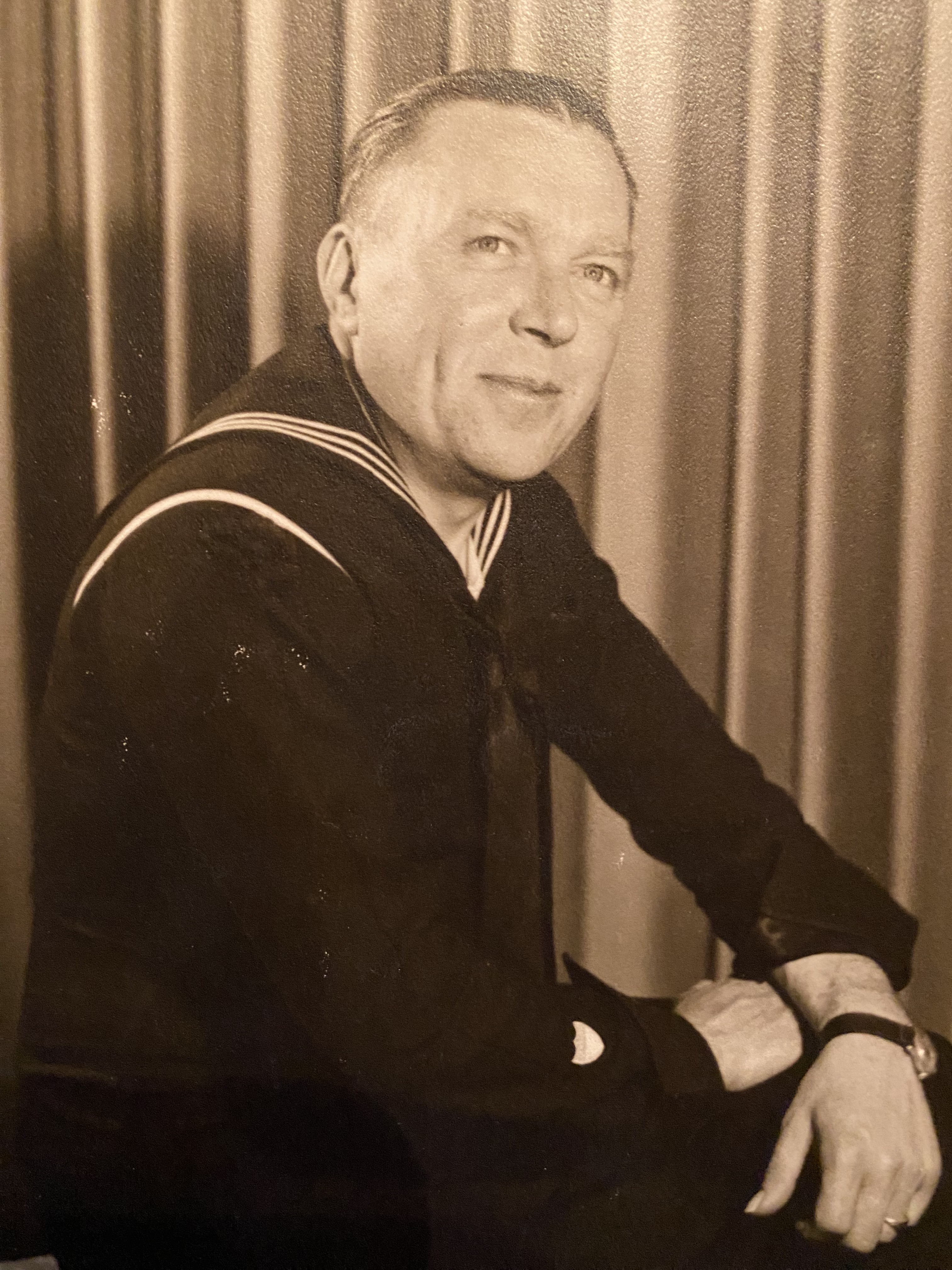
This is Ray Turner, born in 1905 in Hammond, Illinois. This young man migrated west, joining family members in Northern Idaho. Ray soon found his way to Spokane, Washington, where he found work as a postal carrier. Stopping for lunch along his mail route he met a waitress in a downtown cafe, Ailene Peterson, a single mother of one, and after a while they fell in love. Marrying in the fall of 1941, the newly weds, while on a Sunday drive caught a breaking news bulletin on the car radio that the Japanese had attack on Pearl Harbor in Hawaii. Ray turned his automobile around, motored back to Spokane, and joined the Coast Guard the next morning. Stationed out of Willapa Bay in Tokeland, Washington, Ray and the crew of the USS Manzanita patrolled the extensive, rugged Pacific coastline of Washington and Oregon monitoring for Japanese vessels. And it was aboard the Manzanita that Ray remained until August,1945 when he mustered out of the service and returned to Spokane. After a life of grandkids, holidays, and fun on his lake property, he retired from the US Postal Service, passing away in 1974.

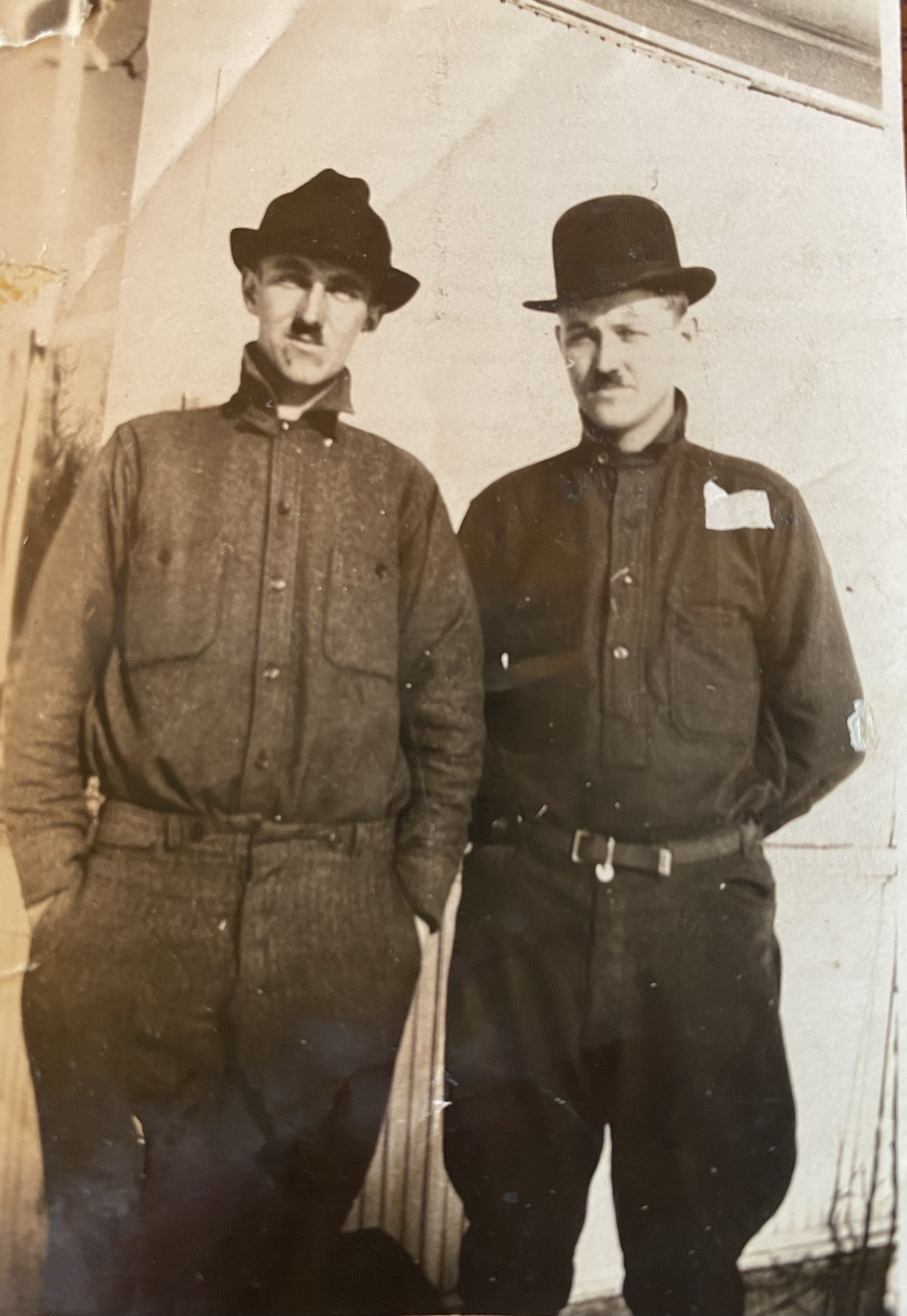
Kurtz Olson hailed from Wing River, Minnesota, born on a frigid day in January, 1905. Kurtz, as the youngest of seven children took up welding as a young man, and made a fair living during the difficult Depression years. This photo, take in the 1930’s, (Kurtz on the left) indicates that Hitler was considered harmless and laughable. That certainly changed in 1939, and after the Pearl Harbor attack brought America into the war, Kurtz packed up his wife and family and traveled west to Tacoma, Washington in search of war work. Kurtz spent his days dismantling scrap metal in a welding yard preparing the steel for conversion to ships, planes, tanks, and other war materiel. After the war Kurtz moved his family to Spokane, where he welded, owned a series of mutts, cut firewood with his son, and grandson’s. Kurtz passed on in 1989. 

IMG_0791

This GI is Joe Tucker, this snapshot taken somewhere in France around 1944. Born in Craig County, Oklahoma in 1907, Joe found himself back in uniform at the ripe old age of 37, much older than the 18 and 19 year-olds in his outfit. Joe had actually been in the army until 1939, receiving his first discharge before the war. Making his way to the Pacific Northwest he too, settled in Spokane where he met and married a widow with three children. His daughter from his first marriage lived in the city, as well, and he wanted to remain near her. Working for the Northern Pacific Railroad, with his new, larger family, Joe joined the Washington National Guard for the extra pay guard duty brought in. After Pearl Harbor the US Government nationalized the Washington Guard, and off he went to war. After training stateside, then stationed in the south of England, Joe found himself on Normandy Beach on June 7, 1944, D+1. Surviving those first days he and his fellow Guardsmen suffered through the Battle of the Bulge, finally winding their way to Germany. On one particular night, Joe stood guard duty somewhere in Germany. He heard his sergeant grouse was the soldier on duty asleep? The reply was no, it’s Tucker, and he’s awake alright. (Joe liked telling that story). Eventually Joe shipped home to reunite with his family in 1945.

From her waitressing job, Ailene Peterson, turned Ailene Turner followed her new husband Ray to the Washington coast. Traveling with her young daughter Ailene looked for war work as well. Born in 1914, in Clinton, Minnesota, Ailene had married quite young, desperate to leave her father’s stump farm in North Dakota. Husband #1, Joe Tucker had failed her, and with her young daughter in tow, sought refuge with family members in Spokane. It was in Bremerton, Washington that she found employment wiring mine sweepers for America’s Russian allies, (she said they were very rude). In later life, Ailene proudly mentioned that her work never had to be redone. She always wired it right the first time. In an operators cab of a crane, Ailene noticed the girls below waving their arms and jumping about. Shutting down the motor she heard them yell that the Japanese had surrendered, and the war was over. Ailene scrambled down from her seat, and joined the victory celebration. She, too, along with Ray returned to Spokane until her death in 1990.

Besides being my grandparent’s, and generously sharing their remarkable stories with me, what else did these people share in common? They put aside their personal lives to step up in defiance of fascism and authoritarianism. They knew that service to America, to our democracy, was their first duty.

Retelling my grandparent’s war-time sacrifices to my history students added a vividness to the coursework that encouraged the kids to do the same with their elders. That, once again is how I bridged the war years to now, making it personal for students. 

President Roosevelt had characterized that moment as America’s “Rendezvous with Destiny,” and those people rose masterfully to the challenge. And despite all the hostility to democracy today, we cannot surrender to those forces, and betray our forebears who stood up to defend our way of life.

Perhaps now is our “Rendezvous with Destiny,” and this time all we have to do is vote for the Democrat over the wannabe dictator.

Once again, a new dark age lay in America’s defeat. 

Gail Chumbley is the author of the two-part memoir, “River of January,” and “River of January: Figure Eight.” Both are available on Kindle. Chumbley has also penned two history stage plays, “Clay,” and “Wolf By The Ears.” She is the co-author of “Dancing On Air,” and feature length screenplay, and is working on “Peer Review,” for the stage, a series of short plays where DJT meets real presidents from the past.

gailchumbley@gmail.com

Behind the Smiles

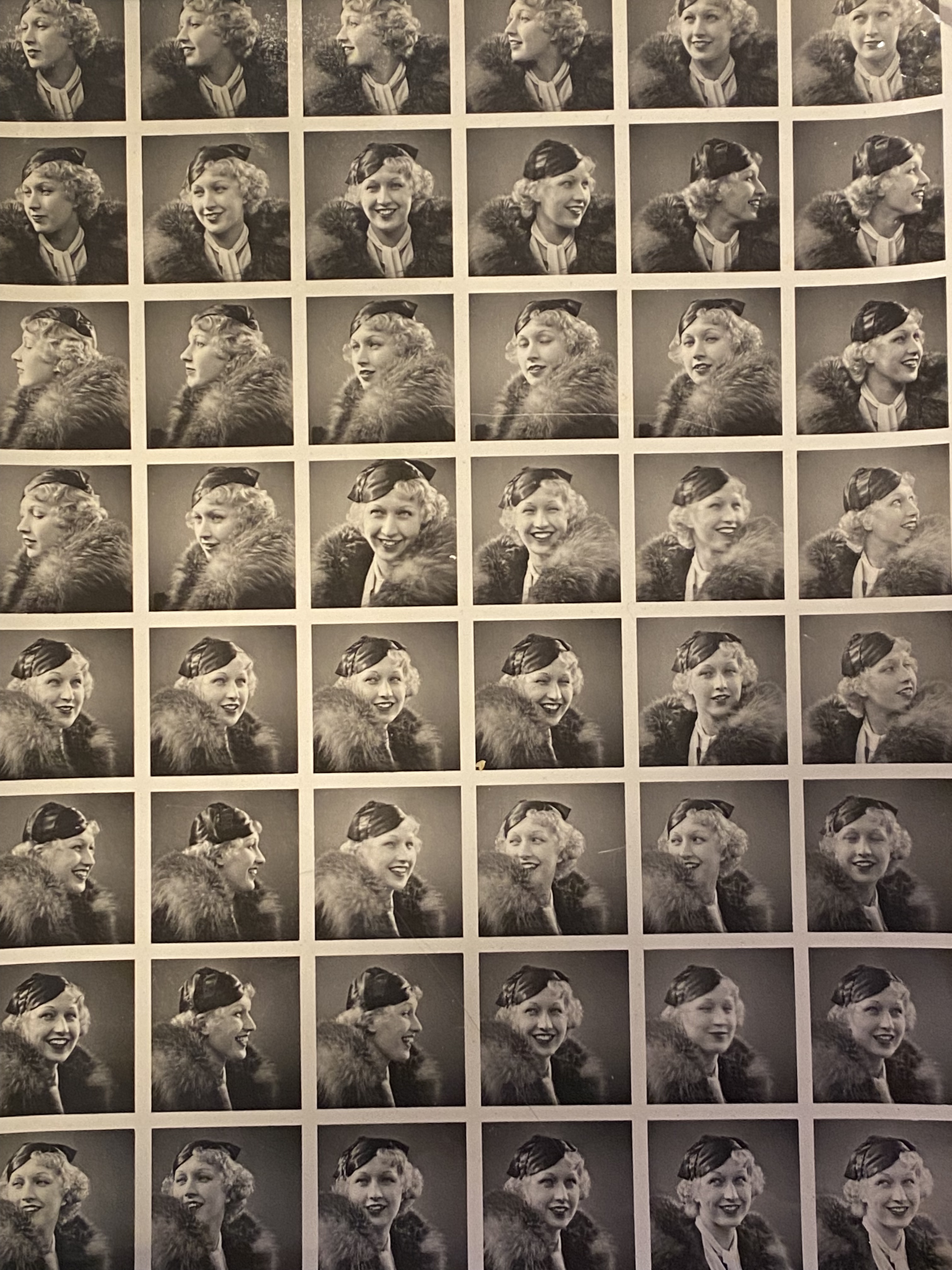
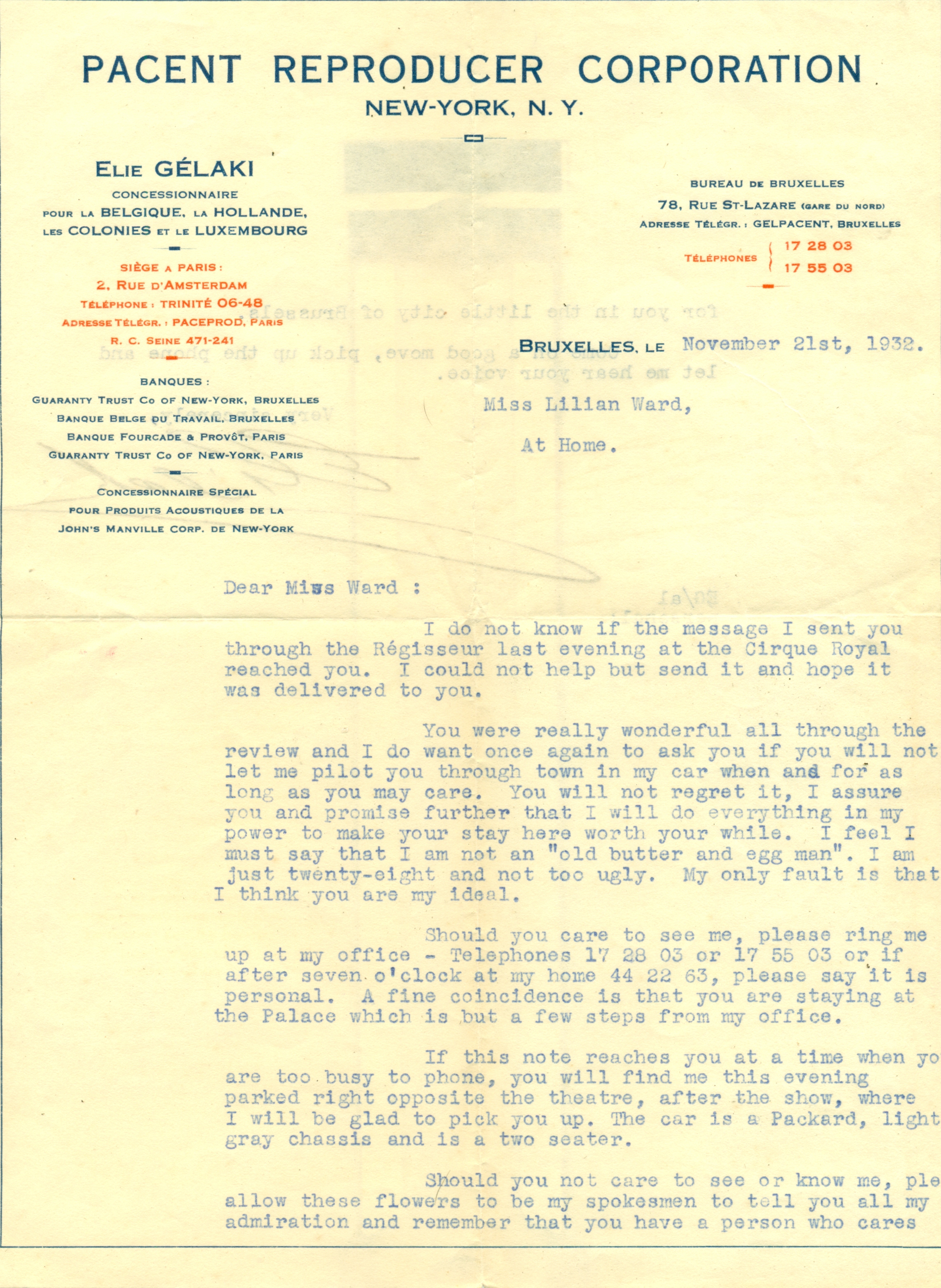
This, of course, is Ann Frank. She sat for this photo montage in Brussels, Belgium, probably just before the war. The studio’s name was Polyphoto International and it was owned by a gentleman named Elie Gelaki.

Six years earlier Elie had established another studio across the Atlantic, in New York City, and evidence indicates he aimed to do the same across Canada, and Japan. Whether those offices actually opened is hard to determine, especially in Japan as war with China had erupted. However, the New York studio did open for business and Elie got to work.

The subject of this session was the reason Elie had traveled to New York. Her name was Helen Thompson and she was a professional dancer. Though at first he had mistaken her name, Elie fell in love with the Helen, eventually following her to New York, seeking marriage. But the wedding never came about.

The 1930’s was a perilous time, especially for people like Ann Frank and Elie Gelaki, both Jewish, living their lives under the growing shadow of Nazism. And though Helen never married the Belgian she worried about his fate as the European war blitzed to life, and of course she knew nothing of Ann Frank until later. You see Helen was my mother-in-law, and though we never met, my husband told me she occasionally shared her anxiety regarding Elie’s fate.

It is evident that behind the smiles, and the momentary pleasure of picture taking, an epic story of three individuals played out in a dramatic chronicle of the 20th Century.

For more of this story read “River of January,” and River of January: Figure Eight” both available on Kindle.

Chumbley has also penned a feature film script based on the books titled, “Dancing On Air,” and in addition two plays on American history topics-“Clay,” and “Wolf By The Ears.”

gailchumbley@gmail.com

Earned Wall Space

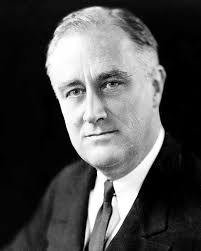
Poking around the basement in my mom’s house I unearthed a framed black and white portrait of Franklin Delano Roosevelt. The picture had been in a stack with other effects from one set of grandparents or the other. Certain this pic would probably end up in a dumpster, I packed it in my suitcase and brought it home. Our 32nd President is on display among other WWII pieces I’ve collected over the years.

What was it about Roosevelt and his times, that earned him premier wall space during the Depression and war years? Today the idea of commemorating a political leader with a  wall display seems odd and quaint.

So again, why did my grandparents include FDR in their home decor?

Admiration may be one reason. FDR appeared bigger than life. The man seemed to have it all: looks, money, and a pedigree that stemmed back to the early Dutch in America. His distant cousin, who also acted as his uncle-in-law, Theodore Roosevelt, still loomed large in American memory. That Franklin Roosevelt wished to carry on the tradition, especially in a time of economic collapse felt assuring.

The laissez faire policies of previous Republican administrations made for widespread fraud, especially on Wall Street. The 1920’s had been a heady time of speculation on the Dow, with banks making reckless loans on high risk investments. When the frenzy crashed and burned in October of 1929, the sitting Republican President, Herbert Hoover, suffered all the blame.

That fact raises another strength of President Roosevelt. The public trusted him. While autocracies generated “cults of personality,” Stalin, Mussolini, and Hitler, this candidate earned his office promising America a “New Deal.” He assured the country that they had not failed, the system had forsaken them, and as their new President he meant to correct those abuses.

The choice to hang Roosevelt’s portrait came from genuine respect, not fear or blind partisanship. The people elected FDR because he meant to be of use to all the American people.

This President brought energy and purpose to the Executive Branch reaching Americans personally in their daily lives. New Deal legislation quickly translated into action with legions of new programs all designed to get folks working again. The public felt a connection to the White House that perhaps hadn’t existed before that time. Mail arrived in daily landslides, mirroring FDR’s earlier political victory. Most letters requested a “hand up,” not a hand out, and that any financial help would be repaid to the government. R.E.P.A.I.D!

FDR brought electricity to rural America, lighting the night and powering radios that broadcast his Fireside Chats. Bridges, schools, and other large engineering projects connected the nation as never before. It’s a sure thing your town or city still bears an imprint of FDR’s time in office.

So it is with respect and gratitude that I have placed Franklin Delano Roosevelt on my living room wall. He set the bar for what a Chief Executive ought to be.

And after all, it’s a family tradition.

Gail Chumbley is the author of the two-part memoir, “River of January,” and “River of January: Figure Eight.” Both titles are available on Kindle. Chumbley has also authored three historical plays: “Clay” on the life of Senator Henry Clay, and “Wolf By The Ears,” concerning the evolution of racism and slavery in America, and Peer Review, where four long ago presidents speak with 47.

gailchumbley@gmail.com

A Renaissance Man

Nothing short of brilliant, Dale Olson could expound on almost any topic. His knowledge of sports, history, and literature rendered him as a true Renaissance man. He also loved the Simpsons. 

Dale Curtis Olson joined the planet on February 10, 1954. 

Born and raised in Spokane he attended public schools and graduated from Joel E. Ferris in 1972. A graduate of the University of Washington in History and Political Science, he pursued jobs that carried him around the globe. With positions from Antarctica and to Johnson Island, Dale found the world his finishing school. He did not simply tour destinations, Dale relished them, as food for his soul.

His children were his books, and those surrounded him. Still news of his grandnephews and niece arrived welcome to his home. 

Throughout Dale’s long trials with illness he persevered, aided in large part by our brother David. Our gratitude is heartfelt.

Dale was predeceased by our father, David E. Olson, and survived by our mother, Rita Olson. Also his sister Gail Chumbley(Chad) of Garden Valley, Idaho, brothers Stephen (Elizabeth), and David Olson of Spokane. He is remembered by all his nieces and nephews residing from Spokane to Portland, to Salt Lake City.

We will have no service, and in lieu of flowers donations to American Battlefield Trust, https://www.battlefields.org are suggested.

Oh to live on Sugar Mountain

With the barkers and the colored balloons

You can’t be twenty on Sugar Mountain

Though you’re thank that you are leaving there too soon.

Neil Young

Riverside, 1973

Before the 1974 Expo in my hometown of Spokane, Washington, the city’s downtown area was divided by social class. Riverside Avenue ran east to west, crossed by an arterial called Division, that ran north to south. That intersection literally cut the area in half. West of Division the downtown looked like the shopping scene in “A Christmas Story.” Magical tableaus filled each department store window, creating an elegant still-life to allure shoppers. To the east of Division sat run down bars, a rescue mission, and adult-only theaters dotting the grim sidewalks of despair. Consumerism connected both worlds.

In my senior year of high school, I worked at an ice cream shop situated smack dab on the dividing line. Attempting to capture the “good old days” ragtime music looped endlessly in the shop, and we all wore white dresses, and plastic skimmer hats. The clientele largely represented the reality of Riverside. Affluent shoppers, and business owners rolled in for lunch during the day, and the dispossessed wandered in at night.

The lunch rush is where the shop made money, and all waitresses were on the floor. Each day I left my high school around 11:00am arriving about 30 minutes before the onslaught. By noon we rushed table to table, chatting with the regulars, and earning pretty healthy tips.

Weekends were different, unpredictable, and the Saturday night shift catered to a different world. After dark, homeless men asked for water, while others scrounged up change to buy a cup of soup. Heartbreaking.

A late spring night in particular, stands out in my memory.  Warm, with a light breeze, the shop felt like summer, leaving me restless, and anxious for graduation. The glass door facing Riverside opened, and a clutch of young women poured in, chatting and giggling like school girls. Sex workers all.

Preparing for their night, these girls crowded around the ice cream freezer, more like teenagers than high risk ladies of the night. The group was close, sharing a camaraderie that spoke of strong ties. 

In the middle of the party towered a long, bronze, African-American woman. God, she was gorgeous, honestly runway material. Fascinated I watched her among her peers, laughing with the rest, while she gracefully perused the glass covered ice cream selections. 

Honestly, this beauty could out Grace Jones, Grace Jones. 

The starkness of her night’s work vaguely crossed my mind, but I was in the moment. Oblivious, unapologetic, she and her friends had no shit’s to give.

Weeks later I graduated, and at the end of summer headed off to college. The memory of that  lithe beauty and her friends faded. The following summer, when I returned to Spokane, the face of downtown had been completely transformed. The railroad tracks, the bums, the skin flicks, and the girls had all vanished. The exciting facelift for Expo ‘74 displaced the rundown skid row of my childhood.

It’s now that I’m retired that that ice creamery, and the beautiful girl again live in my memory. I know now that I had choices, I had support, and a college education. But those residents of east Riverside, those belles of the street? It is impossible to know how life played out for them. Surely these people of the night were displaced, migrating where rail tracks, and sex workers could ply their trade, out of site, and away from the gentry. 

I hope life turned out better than it probably did for these marginalized folk. But that warm spring night still holds a magical quality; one of beauty and of bleakness. A grim reality of a life I never lead.

Gail Chumbley is the author of the two-part memoir “River of January,” and “River of January: Figure Eight. She has authored two plays, “Clay,” about the life of Senator Henry Clay, and “Wolf By The Ears,” a narrative of slavery in America.

gailchumbley@gmail.com

A Shiny Spirit

David Edward Olson came into the world at a difficult time. Depression plagued the US economy, and tyrants emerged overseas. Born on June 15, 1932 the child grew to manhood in rural Wadena County, Minnesota., In defiance of hard times, young David was a happy, shiny spirit; always a welcome visitor to the many homes of his extended family. 

In 1950 the 18-year-old followed his friends into the Minnesota National Guard, which was soon nationalized for duty in the Korean War. A whiz with automobiles, David drove trucks for Uncle Sam, fulfilling his military duty by 1952. While away his parents relocated to Spokane, Washington, and David followed them west.

It was in Spokane, on a blind date, that David met the woman who would change his life, Rita Tucker. Hired on at Kaiser Aluminum in Mead, David and Rita soon married, bought a house and began their family. Coming of age in post war America, the couple embodied American prosperity, enjoying new cars, vacationing via the brand new interstate system, loading up the kids for drive-in movies, and Sunday afternoons cruising the countryside. 

With his children and friends Dave loved to hunt, fish, and cut wood in the forests around Spokane. It was at Cocolalla Lake that Dave taught his, and everybody else’s kids how to play. He spent hours swimming, boating, and pulling skiers across that pristine little lake. Those were the best times.

After retiring from Kaiser, Dave turned his kindness to service for others in the community. For fifteen plus years he volunteered for the Spokesman Review’s Christmas Bureau. Additionally Dave gave his time to the Catholic Charities Food Bank, Meals On Wheels, delivering bakery goods to the Union Gospel, and transporting those in need to medical appointments. 

Every morning for the last twenty years Dave was a regular with his dog-walking companions at Lincoln Park. Leading first his little buddy Toivo, then Padfoot the Pug, Dave met other dog lovers who became his dearest friends through his declining years. And the highlight of his week was Thursday dinner with the Post Office bunch.

David was preceded in death by his parents Kurtz and Mabel Olson, and his sister Marie. He is survived by his wife, Rita, his sister Susan, sons Dale, Stephen (Betsy), and David of Spokane, and his daughter, Gail Chumbley (Chad) of Garden Valley, Idaho. David loved his many grandchildren, and great grandchildren; his pride and joy. 

Gail Chumbley is the author of the two-part memoir, “River of January,” and “River of January: Figure Eight.” Both titles are available on Kindle.

gailchumbley@gmail.com