It was the night of February 9, 1964, a Sunday, when my older brother and I had to make a crucial decision. We were both over stimulated, frantic, not one of our four feet remaining long on the floor. The house vibrated with our excitement and the weight of our impossible dilemma. For starters our birthday was the following day–the 10th, (though we’re not twins–he’s a year older). Still, that pre-birthday fuse had already ignited and by the 9th the two of us were banking off the walls.
The quandary we faced that Sunday night was whether to watch “Davy Crockett at the Alamo,” starring Fess Parker on Disney (The Alamo!), or the Beatles on Ed Sullivan. This was that first historic Beatles broadcast, live on American television, and we agonized between the two choices.
In 1964 there were no video players, no DVD players, no home computers, or dvr’s, in fact televisions were the size of Volkswagen’s and transmitted in glorious, flickering black and white. This difficult decision counted because there was no rewind, there were no do-overs. One gain meant one loss.
We liked Davy Crockett an awful lot. We had watched all the previous episodes, and Davy biting the dust in San Antonio was the much anticipated grand finale. But, oh, the Beatles! And the adoration was real, palpable, an injection of adrenaline without the needle. We worshiped at the warmth of our bedroom radios, perpetually tuned in to our local AM radio station. Reverent silence accompanied replays of “She Loves You,” and “I Want To Hold Your Hand.”
What could two grade schoolers, sick with anticipation do with such a weighty conundrum? It was 1964 and we had to choose.
Before the proliferation of electronic media, this little girl of the 1960’s viewed momentous events as they beamed across the screen. MLK’s elocution at the Lincoln Memorial, President Kennedy’s inaugural address, his assassination, and the escalating war in Southeast Asia–all experienced as reported at that moment.
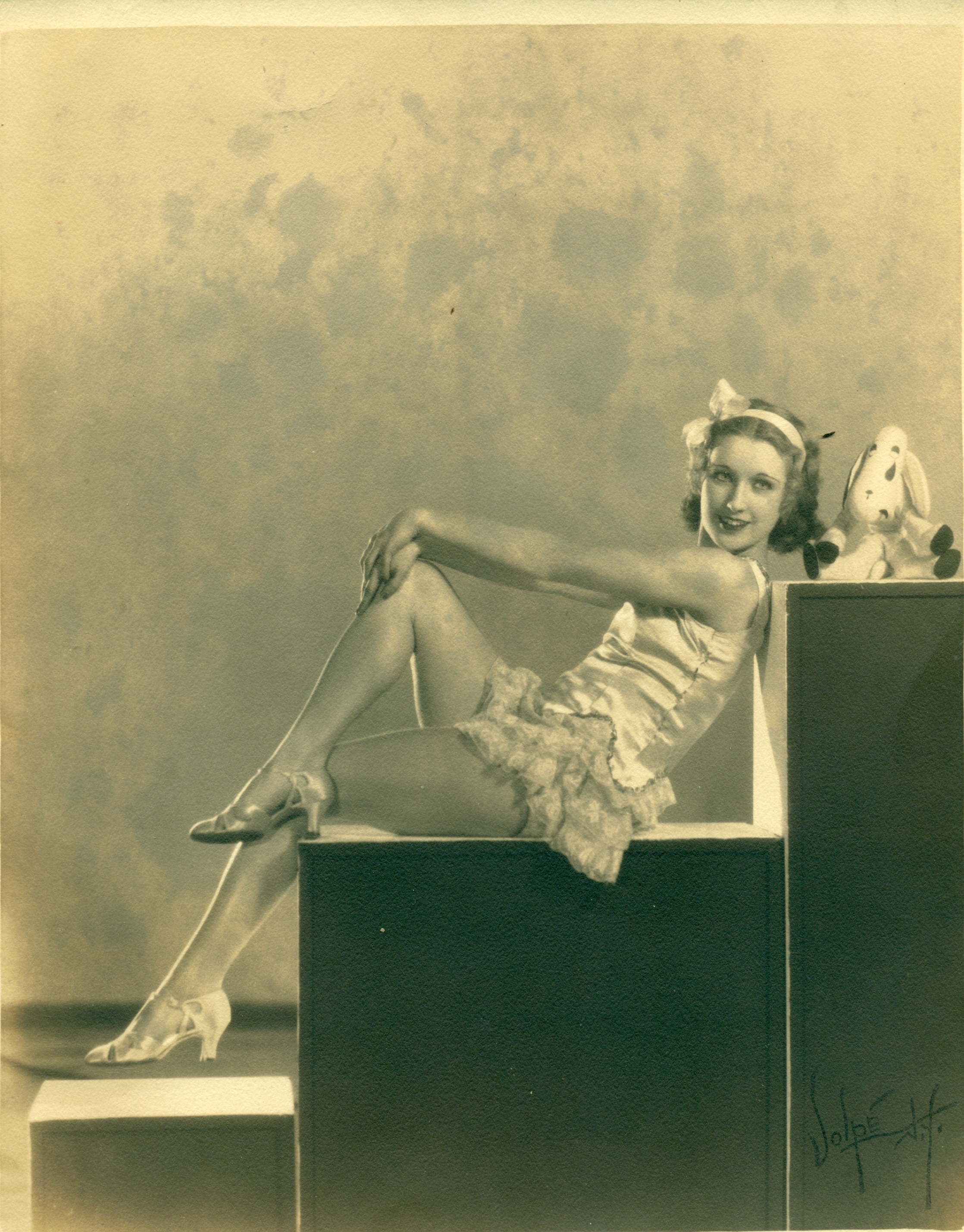
In an earlier era, when Chum flew in his air race, and Helen danced in Rio at the Copacabana, there were no camcorders or Iphones. His signature landing and Helen’s near disastrous opening night grew silent as the applause subsided, then faded in time. Much like my brother and myself in 1964, they lived life forward, one opportunity at a time.
Silent photos and written records are all that remain verifying Chum’s aerial dash through darkened skies, and Helen’s energetic dance routines. They lived life forward, embracing events as they unfolded–experienced once, then gone. I would love to see footage of Chum’s Waco airplane lifting off at dusk, or watch Helen spring across the stage. But those wishes are pipe dreams, never to happen. No vintage film or recording, (except one I found by accident) exist in the historic record. The best I can do for myself, and for readers, is try to recreate the magic of the first time around in the pages of my River of January.
Oh, by the way, I’ve never seen “Davy Crockett at the Alamo.”
 Gail Chumbley is the author of the memoir, River of January. Also available on Kindle.

 Gail Chumbley