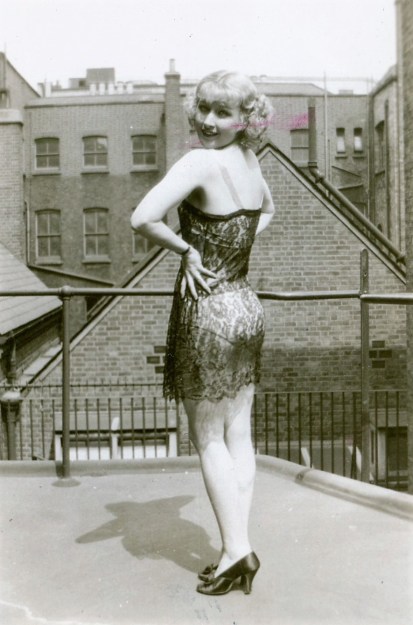
Crossing the Atlantic, 1934


 helenlondon0001

The girl stood in the lobby brushing the stationary absently across her left hand fingers. “He’s coming here and I hope to be going there. How typical for this situation. We’ve never quite connected in so many ways.” 

Wearily Helen hiked up to the apartment on the third floor, pushing the door closed with her hip, listening for the latch.

“Mother,” she called out. “Elie’s coming back.” 

From the narrow hall she heard her mother sigh.


*


“Try this black dress. It has a veil and a lace black umbrella.” Whalen quietly fussed and adjusted Helen’s costume.

“All right,” she stood still while her new partner coiled the gown over her head.

 “How does this look?”  Helen stepped back, while Whalen appraised her.

“Perfect, Helen. I thought we’d have to alter the waist, but you’ve trimmed down.”

“I should hope so,” the dancer laughed, “I think Jans planned an exercise schedule and just called it rehearsal.” 

  It was a mild May afternoon in 1934 when Jans and Whalen, with their new partner Helen Thompson, met on the docks to set sail on the S.S. Aquitania.


*


“Helen,” Elie grasped her upper arms. “I’m not sorry I came to New York even to see you for such a brief time. I—I want you more than any other ambition in my life.” Elie’s face twisted with pain. “And my dearest girl, I don’t believe I shall ever again lay eyes on you after this ship sails today.” 

“Elie please, it’s only a four-week engagement.” The girl awkwardly soothed him.

 “My heart tells me you will never marry me.” His eyes closed. “And for me there is no one else, only you.” 

Helen stared at his tie tack, a lustrous pearl on a grey tie.

“I will never change my heart or my mind. It’s only you for the rest of my days,” Elie lamented.

“Cheer up. I’ll see you soon.” Helen forced a smile, lightly pecked the Belgian on the cheek, and rushed up the busy gangway, escaping. When she joined the crowd at the top deck railing she spied Elie, and he hadn’t moved an inch. He caught her eye, and gazed back intensely, unresponsive to her friendly wave. Ashamed, she stepped away from the guardrail and disappeared into the animated crowd. Her remorse pressed on her heavier than her steamer trunk.

“What did you say to that poor guy? Is he your boyfriend, Helen?” Jans abruptly asked, stopping her as she pressed through passengers.

“Oh, Harry, he’d like to think so. I feel so bad. His name’s Elie and he is crazy about me.” 

“Not your cup of tea, then.” 

“I honestly don’t know. The way he dotes on me leaves me bewildered. Sometimes I think I should marry him; other times I want to run the other way.”

Jans gently took both of Helen’s hands in his. “Honey, if you loved that boy, you wouldn’t have boarded this ship. You wouldn’t have auditioned for the act. Your heart would be floating, overflowing with joy.”

The dancer looked at her new partner and smiled at his kind words, though she felt more like weeping.

Jans read her thoughts. “Helen, when you fall in love—and you will, nothing will feel the same. Your life will shift unexpectedly off course, and you will follow it gladly.” 

“Thanks Harry,” Helen sniffled, tears now rolling down her cheeks.

“Now, now. None of that,” Jans kindly scolded. “Geez, kid, you needed a trip!”


*


     Dearest Bert,

We enjoyed a safe, but drenching voyage to Plymouth. I had to find Jans and Harold Whalen on the deck so we could ride the train into London together. It was a black umbrella convention! 

I have to admit I panicked a little trying to find the boys under every “bumbershoot”—nearly slipped on the wet top deck in my heels, but finally caught sight of Whalen waving his hat—he saw me first. It’s funny how much Harry Jans and Harold Whalen look alike, but they couldn’t be more different. Jans is all business and confidence while Whalen is so fragile. It’s like one word might break him in two. He’s very sweet.

When I caught up with them Jans announced “Come hither my good lady, our chariot awaits.” 

It made me laugh while Whalen just grinned. Glad we were having a laugh, because the footrace to the train risked bodily injury. I took hold of both their sleeves so we could stay together and we splashed quickly to the rail platform.

Then wouldn’t you know it, the compartments were full and so humid. Sweat dripped down every window as we searched for an empty berth. Finally, in the last carriage, Jans spotted an empty compartment. It seated four, but we took up all the space. Whalen surprised me by making a fourth rider out of our luggage. It was hilarious, and the conductor didn’t even care, he didn’t even look up. Even with the train so crowded. Mother, they are such nice gentlemen. I thanked them for hiring me. Jans told me they were the lucky ones. Sweet isn’t it.

As you can see by this stationary we are booked at The Cumberland Hotel. It is so grand, so modern. I have my own sink!  We still navigate down the hall for the lavatory, but the sink makes such a difference. I can wash my hair and my undergarments in private. Hip Hip Hooray!

                                          More Later,

                                               Helen


      Dear Dorothy,

I am sorry to write to you in a crisis, but I have dreadful news. Please keep what I’m about to tell you a secret—not a word to my Mother or my sister, please. We’ve been fired!  I know—it’s horrible. I don’t know what we’ll do. Jans says he can fix it, but I’m not so sure. I may have to come home early. I am writing to you because I can’t say a thing to my Mother—you know how she gets. But I may need a little money to get home. I do promise to pay you back when I get on my feet.

We made our first trip to the Palladium, they lettered my name on the billboard “Helen Thompson, Our Saucy Soubrette” whatever that means. I thought it was cute. Anyhow, we entered the theatre through the back entrance and met a lot of the cast. Such nice people, too. They told us that “The Crazy Show,” that’s what they call it, has been coming back to the Palladium for years. This group of comedians is known, together, as the “Crazy Gang” and made us feel very welcome. They explained that the same crowds return each season to see their old friends in the show.

We felt pretty excited opening night when Jans and Whalen took the stage after the all-cast extravaganza and began their routine. Harry Jans told the one about the soldier who had survived mustard gas and pepper spray becoming a seasoned veteran. No on laughed. The audience hated them. No one booed, and they clapped a little when Jans played and sang, “Miss Porkington Would Like Creampuffs.” Remember that silly song?  Other than that polite response, not a snicker sounded in the whole house.

Then I went on stage and performed a widow comedy monologue; black gown, the whole bit, and I bombed too. With all those spotlights trained on me, if it hadn’t been for the coughing and murmuring I would have thought the theater empty. It was horrible— nauseating— I couldn’t believe how miserably we failed. WE LAID AN EGG!

After the show some of the regulars took us out for drinks. I wanted to run back to the hotel and hide. They led us to a nice pub, but I felt so shook up I could hardly light my cigarette. They explained that English audiences often don’t understand American humor. In particular, my widow act seemed more offensive than funny.

“Too many widows after the Great War,” one comedian named Eddie Gray told me. “Not funny to families with loved ones who died in the trenches.” 

That never crossed my mind, Dot. It’s been almost 15 years, for goodness’ sake. So we were ready to make the changes the boys in the cast suggested. No prohibition jokes, no dead jokes, more songs, and lighter skits. When we arrived for rehearsal the next morning letters were pinned to the dressing room doors that we were to clean our things out—that the management would no longer honor our contract. By the way, the Times critics gave us a lambasting, too. I got to feel mortified all over again.

So, dear Dorothy, that is how the situation stands. Whalen won’t come out of his room. Jans is ready to murder the guy in the front office, and I may drag out my trunk and mail myself home. Just let me know if you can cover my passage. But, don’t do anything yet.

Thanks oodles and oodles and mum’s the word.

                                                            Helen


 My Dear Friend Dorothy,

Salvation! We have been kept on the bill, at least for a couple of small bits. So thanks for agreeing to help me home, but Jans did take care of things. I swear, Dot, Harry Jans could coax the English rain back into the gray English clouds.

It all happened so quickly, but this is how events turned. We were shocked, and then worried, as I’m sure you could tell. Then Jans remembered that our contract explicitly stated we were to make $1000 dollars a week regardless of circumstances. He marched into the manager’s office and wouldn’t leave until he received a check for $4000 dollars, or our reinstatement to the show. The manager balked and then Jans reiterated that the contract was clear. My partner gets a little fierce when he’s riled and I think he scared the fellow. The manager said he’d discuss it with his investors.

But that’s not the best part. The whole cast refused to go on until we were back on the billing!  Their leader, Teddy Knox, told the manager that one night wasn’t fair, and that until we went on again, they would wait. All of them!  Bless their hearts! Guess they are crazy. Later, I caught up with Teddy Knox in the green room and told him how grateful I was. I guess I just hugged him and cried.

So all is well, and Bertha still calm. I will tell her, but will word my letter so that she doesn’t blow her stack. Thanks again, Dot. You are such a swell friend!

                                                Helen


      Dear Bert,

We have had quite a hectic week. We opened on Thursday night and were fired Friday morning. Can you believe that? But don’t panic, we’re back on the bill now. It was all a misunderstanding; apparently people in England and people in the States laugh at different things, so we changed our act a bit. Should be all right now. Jans and Whalen are keeping a close eye on me so don’t worry. I will send a money order in my next letter and hopefully more news. Don’t worry Mother. Things here are fine. Love to Eileen.

Love,

                                                     Wellen


      Helen,

I don’t understand how you could take firing lightly. If there are any further problems you catch the first ship home. You tell Harry Jans that I mean it. Now take care, and make sure you keep me informed of any other issues.

                        Mother


     Dear Mother,

I hope that you aren’t too cross with me. We won’t be gone long, and I will be home very soon. The three of us are back in the lineup. Jans and Whalen play toreadors in the opening number, and I am in a black and white feather costume complete with white boots. The outfits are very snazzy. We sing the show’s theme song, “Come Round London with Me,” then “God Save the King.” We had to rehearse them both, and the audience stands up and sings along when “God Save the King” begins. Can you believe it?

Jans and I finally are doing our own skit. I wear my tap shoes, a short flared skirt with suspenders and a huge pink bow in my hair. On cue I timidly step to center stage (everyone can hear each tap). Under the spotlight Jans, says “Did you come out to sing a song for the nice people?” 

I point to my throat and croak out “l-a-r-y-n-g-i-t-i-s.”

Jans answers, “Oh, that’s a shame we all were looking forward to your number.” 

I lean over and whisper into Jans’ ear. Jans then says loudly “You want to whisper the words to me, and I sing the song? Yes, yes, a grand idea! I would love to!”  He announces “This song is called “Where on Earth could all the Fairies Be?” 

I whisper in his ear, he sings a line, next whisper, he sings, and then Jans finishes, arms opened wide belting the out the refrain, “Where on Earth could all the Fairies Be?” 

A spotlight quickly hits Jimmy Naughton, (he’s a Brit) planted up in the balcony who calls out in an effeminate voice,


“Oh, my, where aren’t they?”  The lights cut to black and the crowd roars with laughter. Cute, huh? 

Did you receive the money I mailed?

It won’t be long now,

                                                Little Sister


     Dearest Helen,

Hope that you are staying safe and minding your manners. The show sounds quite good. Your sister is now working in Indianapolis in a new production. I’m here by myself. Hope you get home soon. I didn’t get out of bed today. No one to get out of bed for. Your envelope arrived safely to the apartment.

                                    Your Mother


     Dearest Bert,

I am so happy to hear that Eileen is working. That has to be a relief, doesn’t it?  I’ll be home before you know it. Hang on. The boys and I have been sightseeing. We toured mostly on foot using Whalen’s walking map. We saw Buckingham Palace—it’s so regal, so beautiful, so big! 

Jans and Whalen horsed around in front of the Beefeaters guarding the palace. How could two comedians resist?  Jans danced a wild Charleston nearly in a guard’s front pocket, but the sentry did not so much as blink. We later ambled through Kew Gardens alive with color though it’s been unusually cool and rainy.

Whalen led the way to Big Ben, but we were disappointed when we got there. The clock tower is covered by layers of scaffolding because it’s under renovation and difficult to see. Whalen shocked us when he stepped past the pedestrian barricades to get a better look. Though nervous, we followed him and I’m glad we did. The tower is huge! 

It’s rained so much that we went shopping at Harrods and bought umbrellas for sightseeing. And yes, we stopped at London Bridge where we took a lot of snapshots that I guess you have already seen since they were in this envelope.

As you can tell mother it’s not ‘falling down’ like they used to sing.   I’ve enclosed a money order for $75.00.

                                                Love, Helen


     Helen,

Hearing of your tour makes me wonder when you have had time to perform. Keep your attention on your career. You are there for experience and exposure. I saw Mr. Evans today and showed him your letter. He is disappointed too. Keep your mind on your work.

                                                Mother 


     Dearest Mother,

I have the most wonderful news. Charlotte and Grace are working here in London, too!  I had been reading the theater guide in The Times and the girls are opening at the Savoy Theatre. We walked down there to see if they were around—and by the way, the Savoy looks just like The New York Times Building. We went backstage and they were there. They were as tickled to see me as I was to see them. They are such swell friends.

            Jans and Whalen laughed at us as I introduced everybody (we jumped around hugging and squealing). Jans promised we would come to their opening night and we did. I think Jans just wanted to scout out the competition. The show wasn’t so hot. Whalen tried to say nice things, like “lovely costumes” and “enjoyed that American quartet.” 

I told him I didn’t think it too great, either. But this one group could really sing, Mother. Jans found their name on the bill, they were The Mills Brothers. Best act I’ve seen so far in London, except us, ha. They sang some songs we have heard on the radio in New York, “Sweet Sue”, “Tiger Rag”, “Chinatown, My Chinatown,” remember?  Try to stay happy till I get there. Don’t let Mr. Evans tell you any different. Have you heard from Eileen or Elie Gelaki?

                                                Love,

                                     Number Two Daughter


      Dear Helen,

Eileen won’t be home for weeks; her show is playing on the road. She said she would look again for a place for you in the production when you get back. I hope you can find work in New York—you’ve been gone long enough, for heaven’s sake. I think Elie returned to London. He never came by to see me again. I don’t know what became of him. Carrie Whalen came by and she wants Harold home as much as I want you here.

                                                Mother


Gail Chumbley is the author of the two part saga, “River of January,” and “River of January: Figure Eight.” Both books are available at http://www.river-of-january.com or on Amazon.
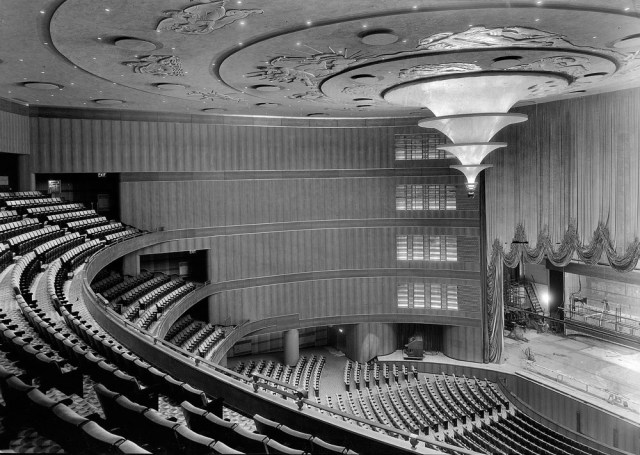
From The Top Balcony

centertheatreint

A gentleman called the house last week asking to speak to me. Since I was out, my husband began chatting with the caller, and once again, as has so many times before, something magic happened related to my books.

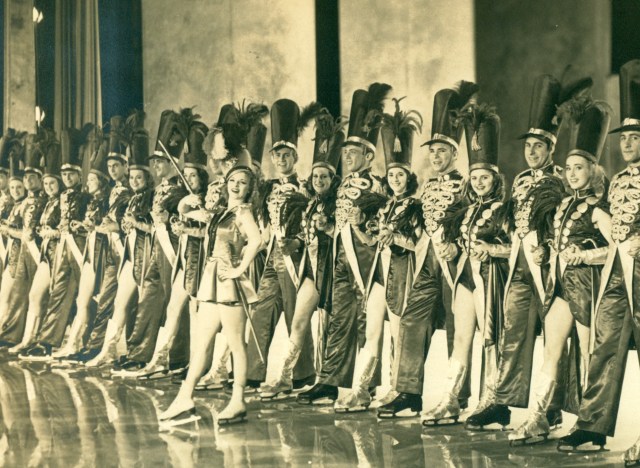
This man had discovered “River of January: Figure Eight,” through a series of clicks on social media, and found enough information to phone our home. He had hoped to gather more about the professional Ice Shows at Center Theater during the war in New York. The reason he asked was that his aunt had skated in the productions, (created by Sonja Henie, and choreographed by ballet mistress, Catherine Littlefield) and that his aunt was still living!

On Sunday night, following my own conversation with the nephew, I had the honor of speaking to Gertrude, “Trudy” Schneider, now a young 93 years old. This grand lady, residing in Canada, apologized that she had only known Helen Thompson, my central character in the memoir, from the theater dressing room. Though Trudy skated evenings with Helen, she attended school during the day, as she was only sixteen years old. That made sense since Helen was close to thirty when she began the show, and a mother by that time.

Trudy further detailed her life story, adding that she and her family, with relatives already in America, came to the country from Vienna in 1939. Under Nazi occupation, Austria was not a safe place for Jews any longer, and so she, her parents, and one brother made their way to the US. A skater since childhood, she had been ‘discovered’ skating at Madison Square Garden, and promptly signed by the Center Theater front office. Her parents weren’t thrilled about their daughter working, but according to her nephew, Trudy earned $45.00 a week, making her income vital.

I also found out that one of my favorite character’s in “Figure Eight,” Vera Hruba, a Czech skater,  advised Trudy to always remember her false eyelashes. According to Hruba that was all a girl needed.

As our conversation progressed she seemed to recall more details about her experience at the theater, including how a typical rehearsal transpired. Catherine Littlefield, the  choreographer mentioned above, would climb to the top tier of the fourth balcony and critique the final run-through from her lofty perch. Trudy implied an aura of imperial omnipotence in Miss Littlefield’s seating choice, judging the performance from on high.

Conversing with Trudy felt like time travel; that I had reached back and touched 1943 New York. When I find this book business overwhelming–when I wonder why I bothered to take on the project, a “Trudy” moment presents itself.

Then I remember.

ithappens100012

Helen Thompson (Chumbley) first girl on right, Trudy Schneider, second girl from right.

Gail Chumbley is the author of River of January, and River of January: Figure Eight, a memoir in two volumes.


Dancers and the Lady Pilot


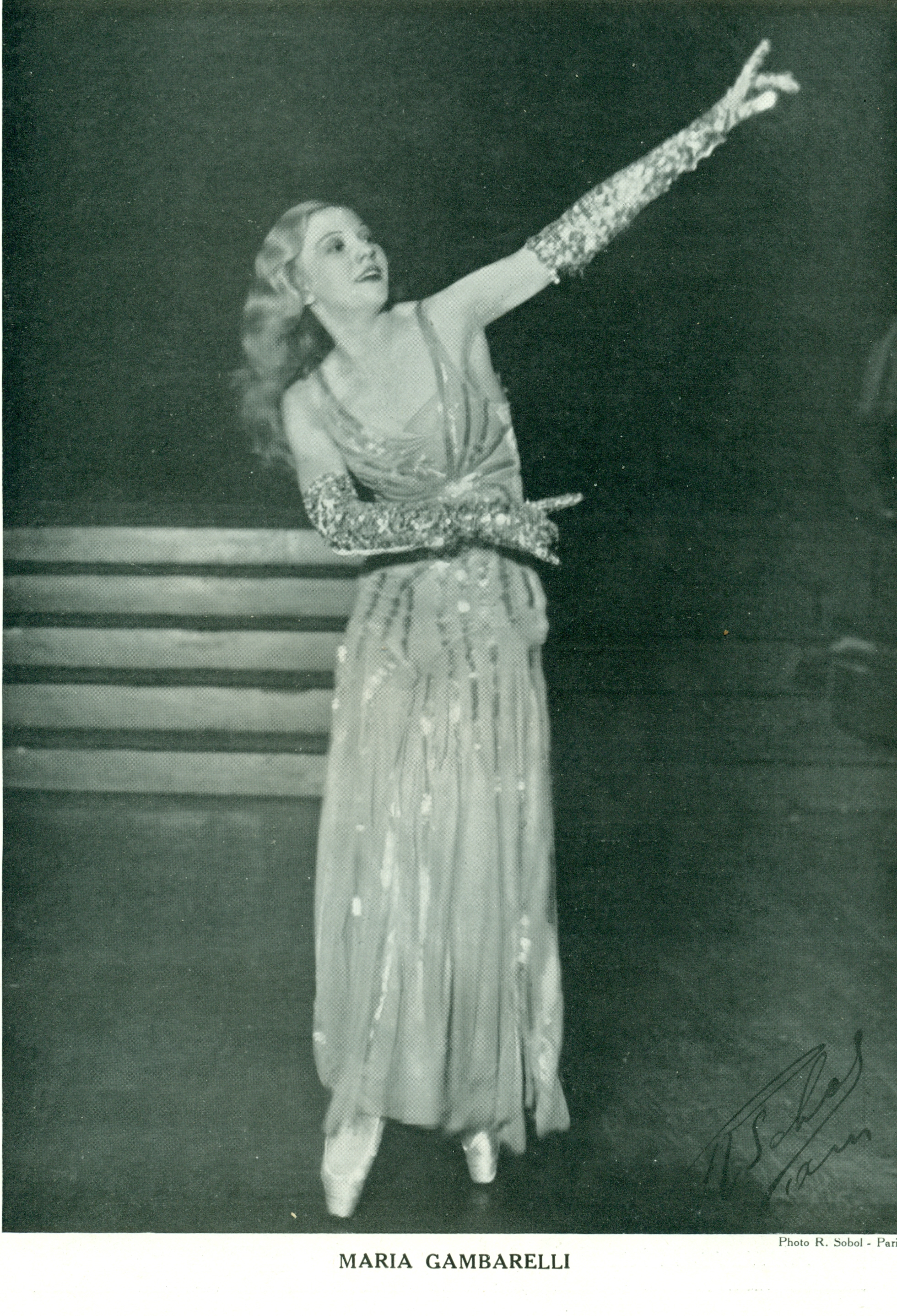
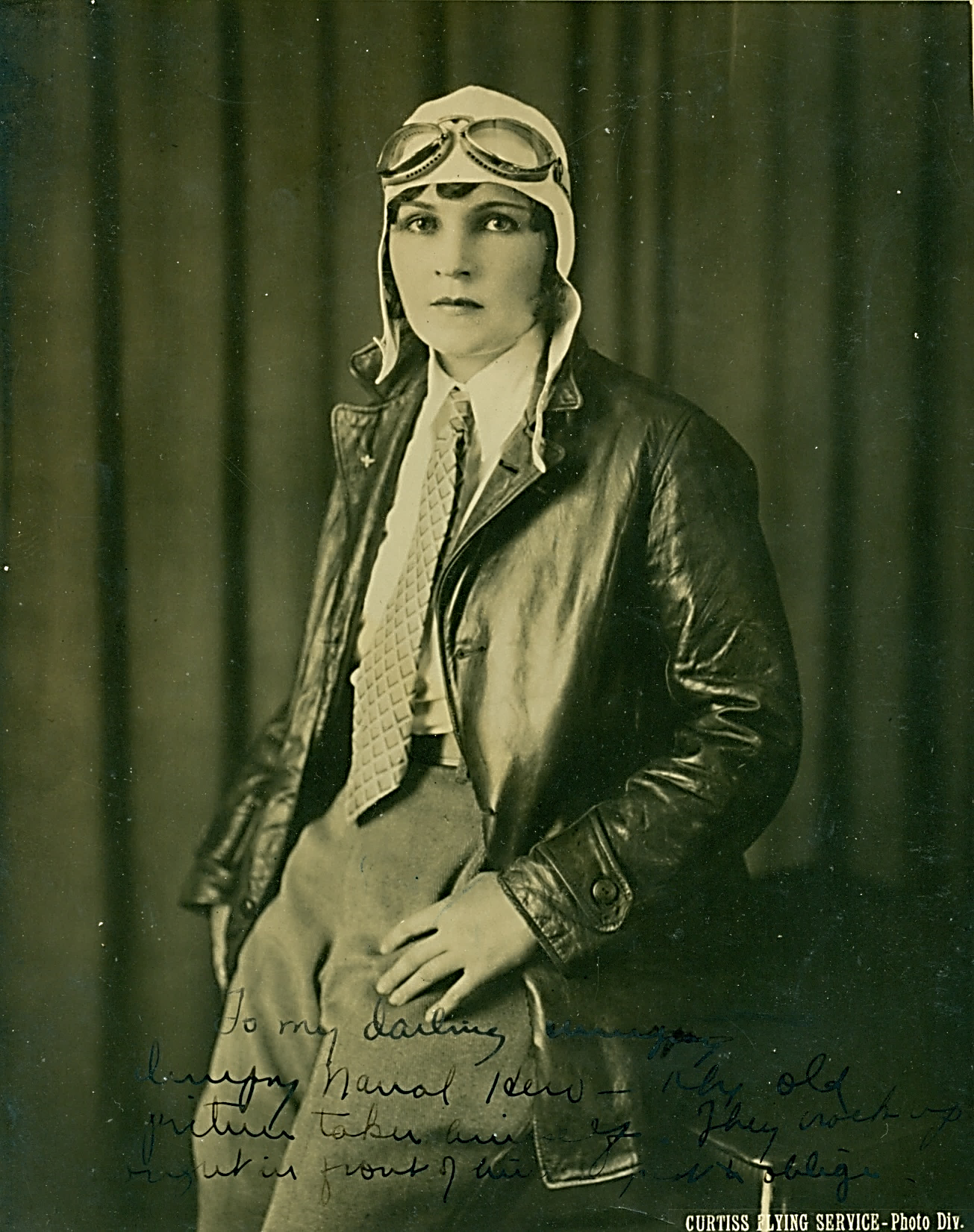
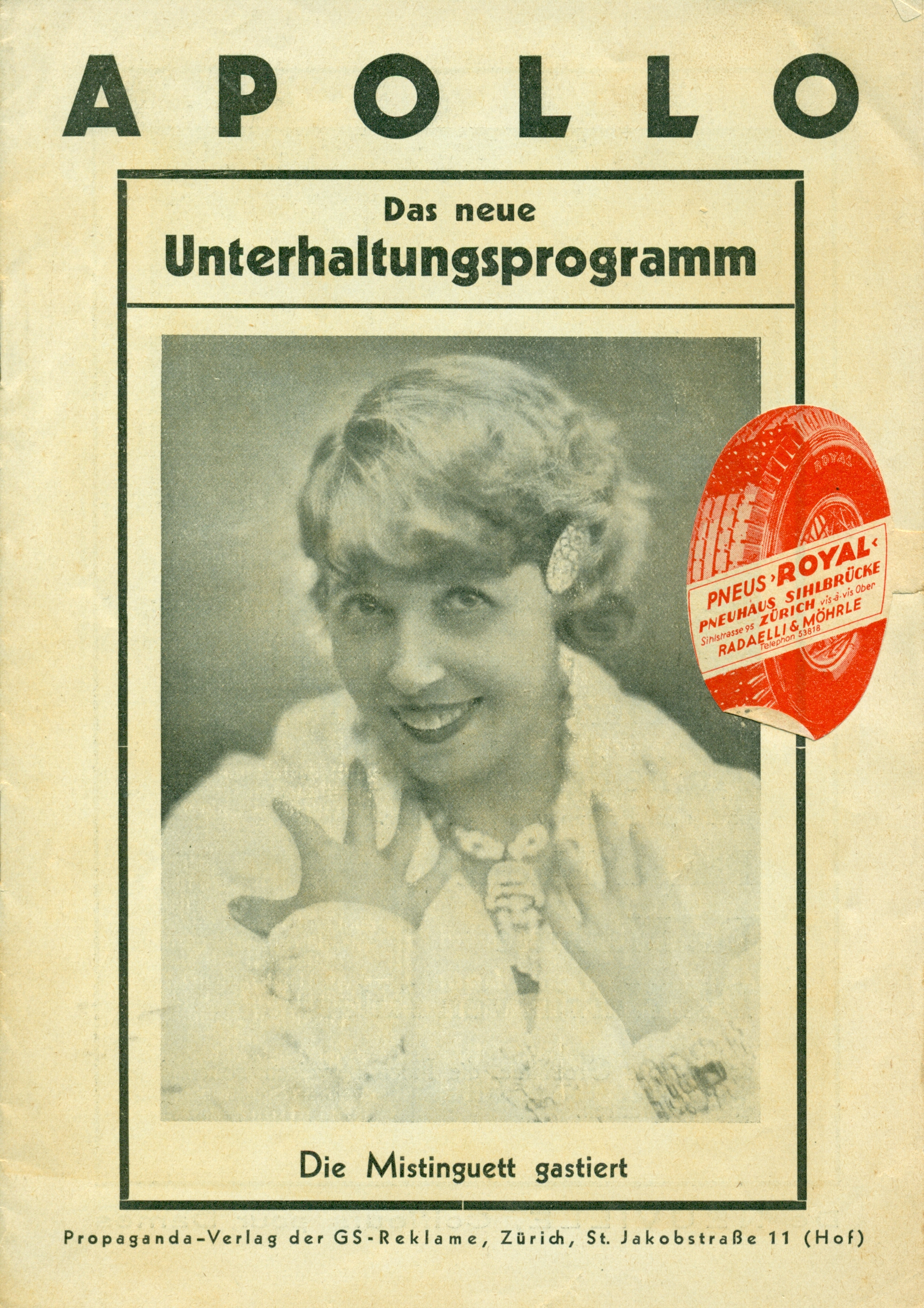
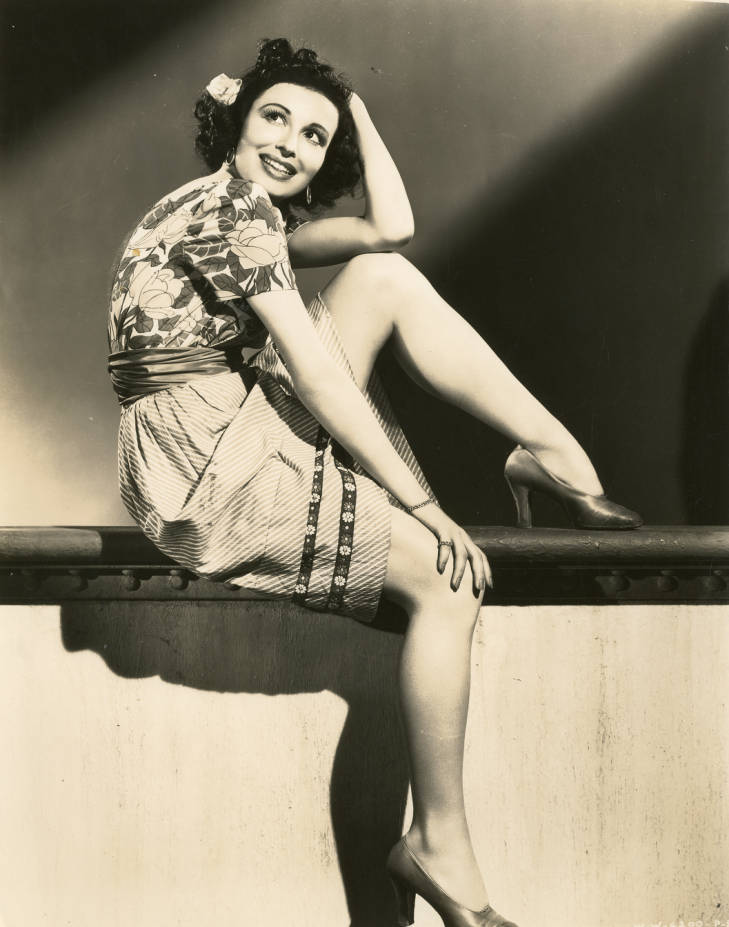
Their names were Carmen Morales, Maria Gambarelli, Mistinguett, and Frances Harrell Marsalis. These four women carved out professional careers, achieving various levels of fame, in an early 20th century largely dominated by men. All four figures also weave into my first book, River of January, as friends and employers of my main characters. It has been an interesting journey, filled with pleasant surprises, plus an honor to revive their names, and present these women to 21st Century readers.

All four women lived life on their own terms.

Frances Harrell Marsalis, an ambitious, Texas-born wife, left her husband and children, relocating to New York’s Roosevelt Field. Obsessed with aviation, Frances dutifully put in her time, honing the specialized skills necessary to aviation until she, too, finally strapped into the cockpit.

Allying with other women pilots at the famed airfield, Frances joined in forging The Ninety Nines, a sorority of women flyers, electing Amelia Earhart the organizations first president. These women formed a tight-knit association, attracting endorsements from advertisers, (usually for products like cosmetics) to earn enough money to stay in the air.

In a 1934 Dayton, Ohio air race, Frances met her demise while rounding a pylon, trapped in wing-to-wing congestion. Another plane bumped hers, and flying low Frances launched into a fiery cartwheel. She survived in the wreckage, but died shortly after.

Frances Harrell Marsalis entered the pages of River of January as Mont Chumbley’s first serious love.

Rich in Old World sensibilities, Carmen Morales and Maria Gambarelli embodied excellence in the performing arts.

Gambarelli, American-born, of Italian descent, rose to fame as a celebrated New York ballerina. Renowned for her devotion to dance, Gambarelli promoted American ballet with a missionary’s zeal. In 1932 the prima ballerina agreed to headline a European tour featuring talented American ballerinas. Twenty-year-old Helen auditioned, made the cut, and joined this company of ingenue dancers, soon crossing the Atlantic aboard the SS Ille de France. Once in Paris, an unexpected dispute erupted between Gambarelli and the tour producers over creative authority. The prima ballerina either quit or was fired—Helen’s letters indicate the girls weren’t sure. Gambarelli returned to America embroiled in a lawsuit with the promoters.

Born in Spain’s Canary Islands, lovely Carmen Morales found her way to culturally vibrant New York City by 1930. Like Helen, Carmen earned a spot in Gambarelli’s 1932 European tour. An accomplished dancer, she and Helen developed a warm friendship underscored with daily rehearsals, nightly performances, cheap hotel rooms, cheaper food, and endless hours on rail cars.

The bond between the two lasted a lifetime.

In Monte Carlo, Carmen met and fell in love with an American hoofer, Earl Leslie. The couple quickly married in Marseilles, and Carmen, with her new husband, left the show in 1933. The newlyweds accepted a position managing a string of German nightclubs from a central office in Berlin. Unfortunately, visits from Adolf Hitler’s paramilitary Brownshirts quickly convinced Carmen and her husband, to resign and escape the country.

The marriage with Leslie didn’t last much longer either, and Carmen left Earl while performing in Buenos Aires, Argentina.

Making her way to Los Angeles in the late 1930’s, Carmen settled in Sherman Oaks, and pursued a career in motion pictures. Director John Ford signed Morales to star in Warner Brothers, The Long Journey Home with John Wayne in 1940. Following that release, Carmen appeared in other features, and later took roles on television. She died in Sherman Oaks in 2000.

The most famous of the four was French entertainer, Mistinguett. Though not well known in America, this music hall icon is still revered by generations of French devotees of the stage. By the time Helen became acquainted with “Miss,” as she referred to the celebrity, the songstress was well into middle age; her beauty beginning to fade. Nonetheless, when Miss signed the American ballerinas to her variety show, following the Gambarelli fiasco, Helen and her fellow dancers were fascinated by their new boss.

Rumors abounded in the dressing room regarding the grand lady’s legendary love affairs, especially with French heart-throb, Maurice Chevalier. Though significantly older than Chevalier, Mistinguett had engaged in a torrid affair years earlier, when Chevalier had been a mere chorus boy.

But all gossip fell silent when the grand lady took the stage—no one spoke, nor laughed. They instead watched and listened in rapt awe and admiration. “Miss’s” signature song, Mon Homme, reliably brought the house down, with teary-eyed audiences clamoring for more. By the way, Mon Homme translates to My Man, first made popular in America by Ziegfeld girl, Fanny Brice, then again by Barbra Streisand in Funny Girl.

River of January, for me, lived up to its promise of adventure. My journey of discovery led back to an inspiring, adventurous era, where women dared fortune equal to their male counterparts.

For more about these fascinating ladies read River of January, and River of January: Figure Eight, by Gail Chumbley. Visit www.river-of-january.com. Also available on Kindle.

gailchumbley@gmail.com

Music and Story

Happy Dr. King Day. For your viewing pleasure here is the official book trailer for River of January. Kudos to Robert Frazier of Solid Media–he did the magic.


River of January, and River of January: Figure Eight is available at www.river-of-january or at amazon.com/author/gailchumbley

New York,1942

New York

1942

twilinghelen0001

Eileen pounded on the door to Helen’s apartment, down one flight from her own. “Have you ever been ready on time? We’re gonna be late for rehearsal.”

The lock popped and the door squeaked inward. Eileen continued her rant. “That war bond rally is going on in Times Square—the mayor’s there. We’ll have a crowd to get through. Rehearsal, Helen!”

“I’m hurrying, Sis. Keep your socks on. Just trying to find my skating sweater.” Helen fled down the hall to her bedroom.

Throngs of servicemen clad in navy blue or army khaki filled the streets and sidewalks. The Thompson sisters weathered a persistent barrage of catcalls, whistles, and hopeful winks. Red, white, and blue Civil Defense signs loomed along the girls’ route, directing them and the rest of New York to the nearest subway entrance in case of an emergency. Air raid wardens, their helmets bearing the CD insignia, were posted near the signs, ready to take control.

Flags of every description fluttered from office buildings and apartments. From countless apartment windows, silk banners bearing a single blue star notified passersby that a son, brother, or father had enlisted in the service. If the flag happened to field a gold star instead, Helen looked away; it meant a loved one had died battling the enemy. Automatically she thought of Chum, who had left that morning to wing his way to some undisclosed, classified destination. Peering down the narrow brick canyon to the docks, Helen detected the waving lines of maritime flags—navy troopships preparing to ship out. Though distant, those colorful standards added to the vibrant, festive atmosphere of bustling Midtown.

Half a block from Center Theater, Eileen began chuckling. Helen’s thoughts still on the gold stars, she grumbled, “What’s so funny?”

“Well, if I were to actually do everything advertised on the way over here—you know, join the armed forces, plant a garden, donate my girdle to make tires, and sew something for victory—I’d be a gun-toting, green-thumbed, bulging Betsy Ross.” Eileen giggled again.

“Did you miss the one that told you not to talk? Loose Lips Sink Ships? There’s one you could start right now.”

Eileen lunged. But Helen, feeling cheerier, dodged away and sprinted toward the dressing room—big sister in hot pursuit.

Following the success of last season’s It Happens on Ice, Sonja Henie’s new production at Center Theater, Stars on Ice, was several weeks into rehearsal. Both sisters skated four pieces in Act I, including a jitterbug finale titled “Juke Box Saturday Night.” In Act II, they accompanied headliners, blade-dancing the samba and rumba in a Latin-flavored number, “Pan-Americana.” The second act culmination was the all-cast, patriotic “Victory Ball,” with its signature song “Big Broad Smile.”

After rehearsal, the chorus gathered at the Latin Quarter on Forty-Seventh Street, toasting their first round to a successful, productive rehearsal.

“Sometimes I wonder if we’re doing enough for the war effort. Maybe other women are doing more meaningful work.” Helen tapped her nails thoughtfully against her bourbon and water.

“I don’t know, honey,” fellow skater Patsy O’Day answered. “Mayor LaGuardia thinks we’re doing our bit. Did you see the notice he placed in the new program thanking us for keeping up morale?” She sipped her cocktail. “Surely you’ve seen the soldiers and sailors in the seats. Those boys love our show.”

“Chum doesn’t like what you’re doing as it is,” Eileen chimed in. “Wouldn’t he be tickled to hear you’ve volunteered for more?”

Helen ignored her sister’s sarcasm and replied to Patsy, “I’ll have to look at that playbill tomorrow. I’d like to think morale is as important as munitions work, or joining the WAVES. Still, I don’t know how working women manage—especially mothers with small children—with their husbands away in uniform.”

Kay Corcoran, another line skater at the table, nodded in agreement. “I suppose if the woman is lucky, she has a mother or mother-in-law to help her out.”

“Right.” Helen looked thoughtful.

*

After an initial salute, Chum sparked the ignition switch and took off from Floyd Bennett Field, carrying a lieutenant and his aide to nearby Red Bank Field in New Jersey. He and his passengers passed a silent, fifteen-minute hop over New York Harbor. Leveling the nose on his Howard GH-1, Chum smoothly rolled onto the landing strip, slowing to a controllable speed to cross to a navy gray hangar.

A crew chief was watching them from the shade of the facility, and after the passengers departed, he marched over to greet Chum. “Afternoon, sir,” the mechanic saluted. “In case you haven’t heard, Lieutenant, the Japs have done it again.”

“How’s that?”

“Well, sir, they’ve hit us—this time the airstrip on Midway Island. Just came across the wires. Struck Dutch Harbor in the Aleutians too. As we speak, Jap carriers are launching waves of Zeros and Nakajimas.”

Aghast, Chum fought his impulse to leap back into that little Howard, open the throttle, and soar all the way to the Pacific. Forced by duty, and reality, he instead paced the hangar until the two commuters eventually returned. Still, rushing back to New York changed nothing, just another field to pace. The carrier battle raged on thousands of miles away, and no one could do much of anything but wait.

For three anxious days reports trickled in from the Pacific, dispatches that were spotty, vague, and inconclusive. When details emerged of this first-ever clash in the sky, the United States Navy found much to celebrate and, tragically, as much to mourn.

The particulars surfaced days after the attack, presenting a clearer picture of the Battle of Midway. At a morning briefing, base personnel learned firsthand the events surrounding this aerial showdown. “The Imperial Japanese Navy,” began an officer Chum recognized as Lieutenant Commander Kirby, “in an attempt to eliminate US forces on Midway Island, launched multiple airborne assaults. The number of enemy aircraft carriers present in the attack has convinced the Department of War that the Japanese military intended to occupy the island in order to menace US installations farther west in Hawaii.” Kirby paused, somberly measuring his words. “The Empire of Japan has utterly failed in their effort.” The lieutenant commander smiled faintly. “Of the six Japanese carriers under Admiral Yamamoto’s command, four now sit at the bottom of the central Pacific.”

For a moment, the gathering seemed to hold its collective breath, pondering the lieutenant commander’s words. When the full significance sank in, the men jumped to life, roaring in satisfied approval. After the shouting and fraternal backslapping, the crowd finally stood together in a rousing standing ovation.

Kirby couldn’t help but grin at the enthusiastic response, but quickly quelled the celebration with a brief “As you were.” When everyone was seated again, he continued. “Ahem. Yes, this is good news, good news.” Glancing down at his notes and taking a deep breath, he said, “Gentlemen, this great triumph has come at a grim price for the navy. Fellas, we have lost the USS Yorktown. An enemy sub took the old girl down. She was too disabled from the Coral Sea campaign to maneuver away. Our losses so far are sobering—over three hundred casualties at latest count.”

Kirby’s eyes scanned the crowd. “Among the dead, five squadrons of Devastator torpedo bombers from both the USS Enterprise and the USS Hornet. These bombers were utterly blown from the sky while executing attacks on Japanese vessels. The Department of the Navy verified the few who survived the shelling were slaughtered in the water by the enemy rather than rescued. Initial reports from Honolulu indicate that Wildcat fighters, assigned to protect these torpedo bombers, lost all contact, leaving the Devastators hopelessly exposed to Japanese ordnance. Boys, we lost them all, all of our torpedo bombers and pilots—but one, a pilot from Texas.”

The room fell silent, as if there had been no good news at all, no victory in the Pacific. Kirby concluded the briefing with, “Their brave sacrifice made it possible for the rest to find and sink those Japanese carriers.”

Seated among his fellow pilots, Chum shook his head sadly, reminded of a conversation nearly fifteen years before, when he was just a boy—a Seaman, First Class. After a morning of training—of war games—he and a buddy were perched on stools at the base canteen in Panama. Flying his torpedo bomber yards from service vessels had left him unsettled, and he said to his friend, “We approach in low formation, drop our payload and bank, while dangerously showing our undersides to the enemy. We’d be lucky to keep our asses dry, Win. Makes me wonder what desk genius dreamed up this idea. It’s a suicide mission.”

“A suicide mission,” he repeated, in a hopeless whisper, coming out of his reverie.

“Permission to speak, sir,” came a voice from the rear of the hall.

Kirby responded, “Permission granted.”

“How does a sailor go about transferring to the Pacific, sir? With all due respect to our mission here in New York, I want to whip those Japs bad.” Murmurs of agreement swept across the room.

“Fill out the proper paperwork, son.” The lieutenant commander sounded weary. “Complete with your commanding officer’s signature.”

*

Helen quietly turned her key and gently opened the door. Tiptoeing through the dark living room, she saw a stripe of light beaming from under the bedroom door. No wonder it’s quiet—Chum’s awake, no snoring. Entering the lighted room, Helen saw her husband sitting on the bed with an open file folder in his hands. “Honey? Can’t you sleep? I didn’t wake you, did I?”

He smiled her way. “No sweetheart. I thought I would wait up. We haven’t seen each other in a few days. Good crowd tonight?”

Helen smiled back, equally glad to see her husband. “And how! A marvelous audience tonight. Uniforms everywhere—and they gave us a standing ovation.”

“Ha. No kidding! I was part of one of those today myself.” Chum laughed quietly.

“It is so grand to see you awake, Chum. I’ve missed you terribly.”

“Me too.” He paused, choosing his words. “Helen, honey, I stayed up to have a little talk about my . . . about our future. Now, don’t look so panicked,” he added, watching her face drain to pale. “It’s nothing too terrible, honeybunch.” He reached over and patted her arm. “Did you hear the radio reports today—the big brawl out in the Pacific?”

“Of course,” she mumbled, slumping down on the bed. “The radio is always on in the dressing room. No one has the heart to switch it off. We listened to the updates on WCBS. Some of the girls’ husbands have shipped out.” She frowned.

“I want you to know that I am going to talk to Vice Admiral Andrews,” Chum said. “I want . . . I need a transfer to the Pacific too.” Helen stared at her lap. “Honeybunch, please don’t be sad. The navy is fighting back hard . . . I’m not sure how I can explain this so that you’ll understand. Those villains have to be stopped. I owe it to my country, to you, and to myself. Those bastards attacked American soil. Oh, please don’t cry, darling. Please.”

Her voice hitched as she slowly replied, “You told me once that I would have to be brave. You said I needed to trust you, and not to worry. And I have been trying, Chum, really, really hard. I know the country is at war and you have a duty to perform. And, well, I want you to know that I understand how you feel. I—I want to contribute my part too. Even if that only means waiting for you to safely come home and skating to make audiences happy.”

Chum frowned. “You don’t have to keep ska—”

“Yes, I do. It makes me happy too,” she snapped. “People need the distraction now more than ever.”

He sighed—this talk wasn’t going the way he had intended. “Fair enough, Helen. You keep skating. I only wanted to share my intentions, because you need to know. And I am determined to ship out as soon as I can. Helen . . . I want an operating squadron, honey. That means flying fighters—Corsairs, Hellcats, Wildcats, and the like.” He paused a moment in thought. “Frankly, almost everyone on base is bucking for a Pacific transfer after today’s briefing. Look, we—the navy—can whip those devils. We’ve now proven we can beat them in the air.”

Chum took a deep breath before continuing. “I understand that protecting New York is essential, but honestly, the Germans have been restricted. They’re not able to do too much close to shore. We’re in far more danger on the West Coast, and I want in. But”—he shook his head—“first I wanted to talk things over with you . . . and I still have to get the go-ahead from the vice admiral. What he’ll say is anyone’s guess.”

Helen could feel her heart growing numb. With a heavy sigh, she said, “So, you want to go after the enemy.” Her voice became flat. “To fight the Japs in the air. Never mind that you could be killed. Never mind that even if you didn’t die in the air, you’d likely drown in the ocean.” A solitary tear trickled down her cheek.

“Helen, it’s my job. And believe me, sweetheart, I have no particular death wish. Flying is my job, and I think about the risks every time I prepare for takeoff.”

That said, they both grew silent, lost in thoughts words couldn’t phrase. Finally, Chum murmured, “You know, it’s funny—”

“No it’s not,” Helen snapped.

“I suppose ironic is a better word. It strikes me that this argument must be going on all over the country—of wives asking why husbands have to go.”

*

Lieutenant Chumbley remained beside a Lockheed Lodestar, cigar in his teeth, flight plans to Anacostia in his hands. The vice admiral and his aide, Captain Henry Mullinix, had not yet arrived for their flight to Washington and the Department of the Navy. I’m going to ask today. He seems to like me enough to listen. Chum looked up from the documents as the two officers approached, striding side by side to the aircraft.

“Morning, sir. Welcome aboard.” Chum gave a crisp salute as Vice Admiral Andrews climbed into the aircraft.

“Good morning, Lieutenant,” the vice admiral replied in passing. “Let’s keep this plane in the air and absolutely no turbulence. That’s an order.”

“Yes, sir,” Chum said with a chuckle.

“Captain Mullinix.” Chum greeted Andrews’ aide with a salute too, as he climbed up the steps.

“Beautiful day for a flight, wouldn’t you agree, Lieutenant?” Mullinix smiled.

“Yes, sir. The tower reports high, scattered clouds, with unlimited visibility. Will you be joining me in the cockpit, sir?”

“Roger that, Lieutenant.”

Upon reaching altitude, Chum turned the Lodestar over to the captain, a mutually agreed upon arrangement, but only until picking up radio contact for landing. He then relaxed for the hour-plus flight to Washington.

“I’m meeting with Secretary Knox first,” said the vice admiral. “Did I mention that, Captain?”

“Affirmative, sir. A transport vehicle is waiting at the field. We’ll head directly to the navy yard, sir.”

“Very good, Captain.” The vice admiral settled back in the cabin, and with a deep sigh, closed his eyes.

This isn’t the time to ask for any favors, Chum thought, maybe on the way back. There’s time.

The Lockheed descended squarely onto the Anacostia landing strip, soon circling in the direction of the hangar. A large, blue sedan with stenciled white stars on the doors idled nearby, awaiting the high-ranking visitor. Chum grew confused when Andrews, unbuckling his harness, remarked, “Come on with us, Chumbley. Mullinix here needs some company while I breathe the rare air of the Operations conference room.”

“Me, sir?”

“Yes, you, Lieutenant,” Mullinix answered. “I have a set of checkers in my briefcase. These meetings can last forever.”

The three officers stepped into the newer model Cadillac, doors punctually opened by a stiffly saluting chief petty officer. Andrews returned a lackluster gesture to the driver, and the sedan headed toward the city. From the backseat, Chum caught sight of the massive Capitol Building, with the Washington Monument rising in the foreground. But still his thoughts focused on his objective. Maybe I should open the subject with Captain Mullinix first. He’s a real nice gentleman, and could maybe approach Andrews on my behalf.

“How are you at checkers, Lieutenant?” The captain interrupted Chum’s musing.

“Fair, sir, fair. But I haven’t played in a long time.”

“Well, Lieutenant, Mullinix does not extend charity when it comes to checkers, or war for that matter. He plays to win.” Andrews grinned, winking at Henry Mullinix.

Chum smiled in return. “Thanks for the advice, sir.”

The chauffeur braked at the Latrobe Gate outside the navy yard. The driver opened the vice admiral’s door, again formally saluting. The captain reached for his own door handle, stepping out with no pomp. Chum followed suit. Immediately surrounded by subordinates, Andrews walked directly to the entrance, leaving Mullinix and Chum to fend for themselves.

“Let’s head to the canteen, Lieutenant. I’ll call upstairs and let them know where to find us when the vice admiral is ready.”

It wasn’t long before both men were leaning over a Formica table, studying the red and black grid. Mullinix lorded over small stacks of red discs he had captured, while Chum defended the few he had left on the board.

Chum decided to speak up. “Captain, I was hoping for some advice.”

“Now, what more could a pilot with a terrific assignment need?”

“Well, sir, I am rather anxious for active duty . . . out in the Pacific.”

Jumping two of Chum’s checkers, Mullinix smiled sheepishly, snapping the pieces off the board. “You and the rest of the boys in the Eastern Sea Frontier. Most of the paperwork we’re processing comes from fellows just like you—all sailors gunning for Tojo.”

Chum jumped a black disc to crown another.

“Ha. I think you’ve been sandbagging me, Lieutenant.” The captain chuckled. “If you are seriously intending a transfer out to Honolulu, talk to Andrews directly. He’s a reasonable man, and he likes you.” Chum smiled at that. “But that can work against you too, Chumbley.”

Chum’s smile faded. “I don’t understand, sir.”

“The vice admiral is approaching retirement this coming year. He hasn’t been particularly well and is only staying on until the U-boat situation has been satisfactorily eliminated from coastal waters. My guess is that he’s happy with you as his pilot and would want to keep you on his staff. Very hard to predict what Andrews might say. But I will let you in on one tidbit.” Both players unconsciously sat straighter, the game between them temporarily forgotten. “I’m to receive my flags soon, becoming a vice admiral myself.”

After a moment’s pause, Chum felt he should say something. “Congratulations, sir. You have certainly earned the promotion.”

“Yes, thank you, Lieutenant. I will post to the Pacific within the next eight or nine months. The scuttlebutt is I’ll first take command of the Saratoga. As you know, she’s coming out from refitting and heading back to the Solomon Islands. So if you can wrangle a transfer west, I’ll see that you get the duty you want.”

“You would, sir? With an operating squadron?”

“Fighter pilot, huh? I thought you liked this transport-chauffeur service, Chumbley.”

“It is an honor, sir. And I have enjoyed the job enormously. But after Midway . . . well, I too want to settle some scores with those sneaky rascals.”

“Get yourself out to ‘The Show,’ Lieutenant”—the captain sighed—“and I’ll take care of you. How does that sound?”

“That sounds grand, sir.” Chum smiled, relieved.

Resuming their game, Captain Mullinix proceeded to beat Lieutenant Chumbley four games out of six.

grummondgoose

River of January: Figure Eight, pps. 200-212.

Gail Chumbley is the author of the River of January series.

Also available on Amazon.com

Gail Chumbley


The Hawaii

marslogbook0001

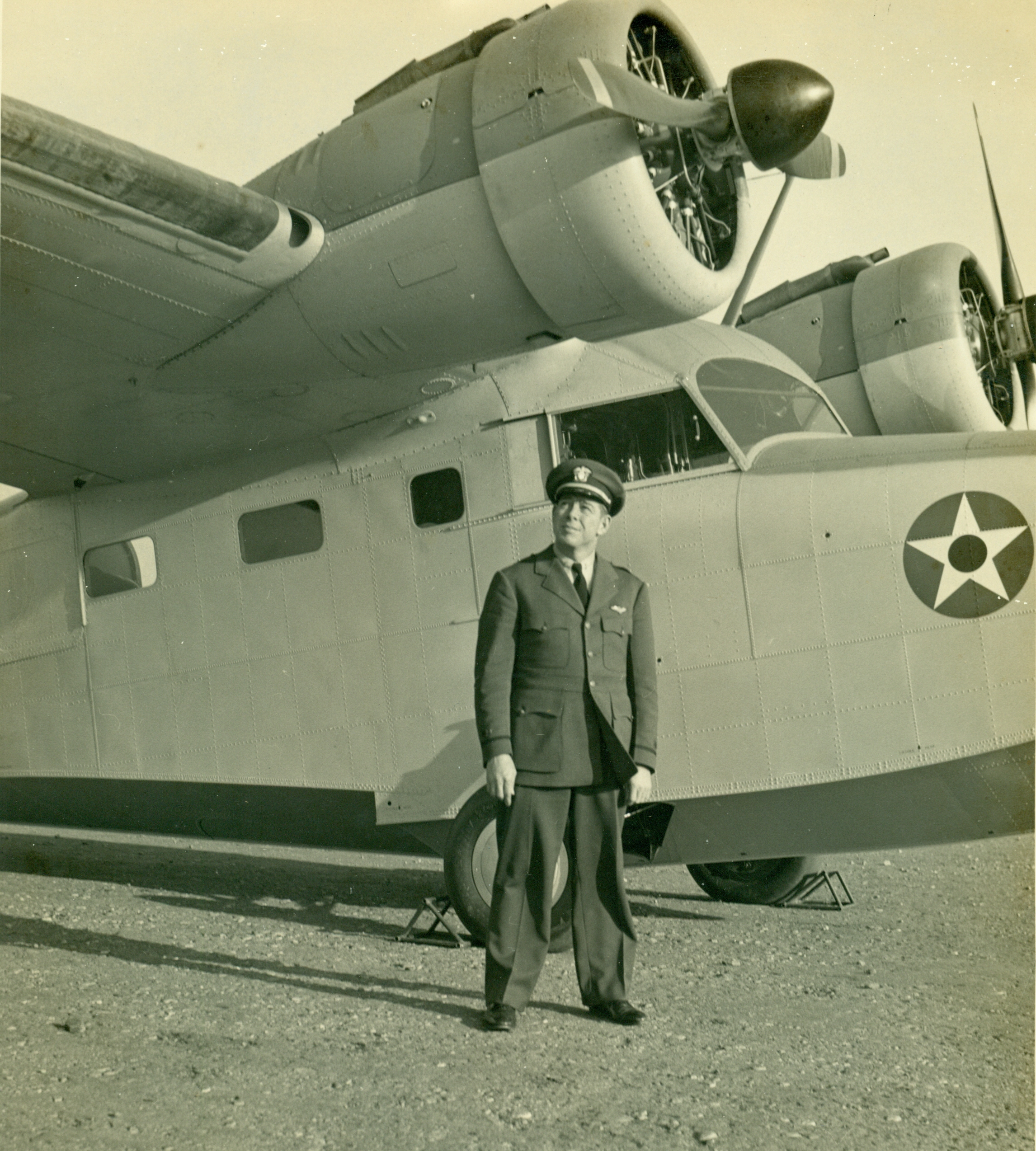
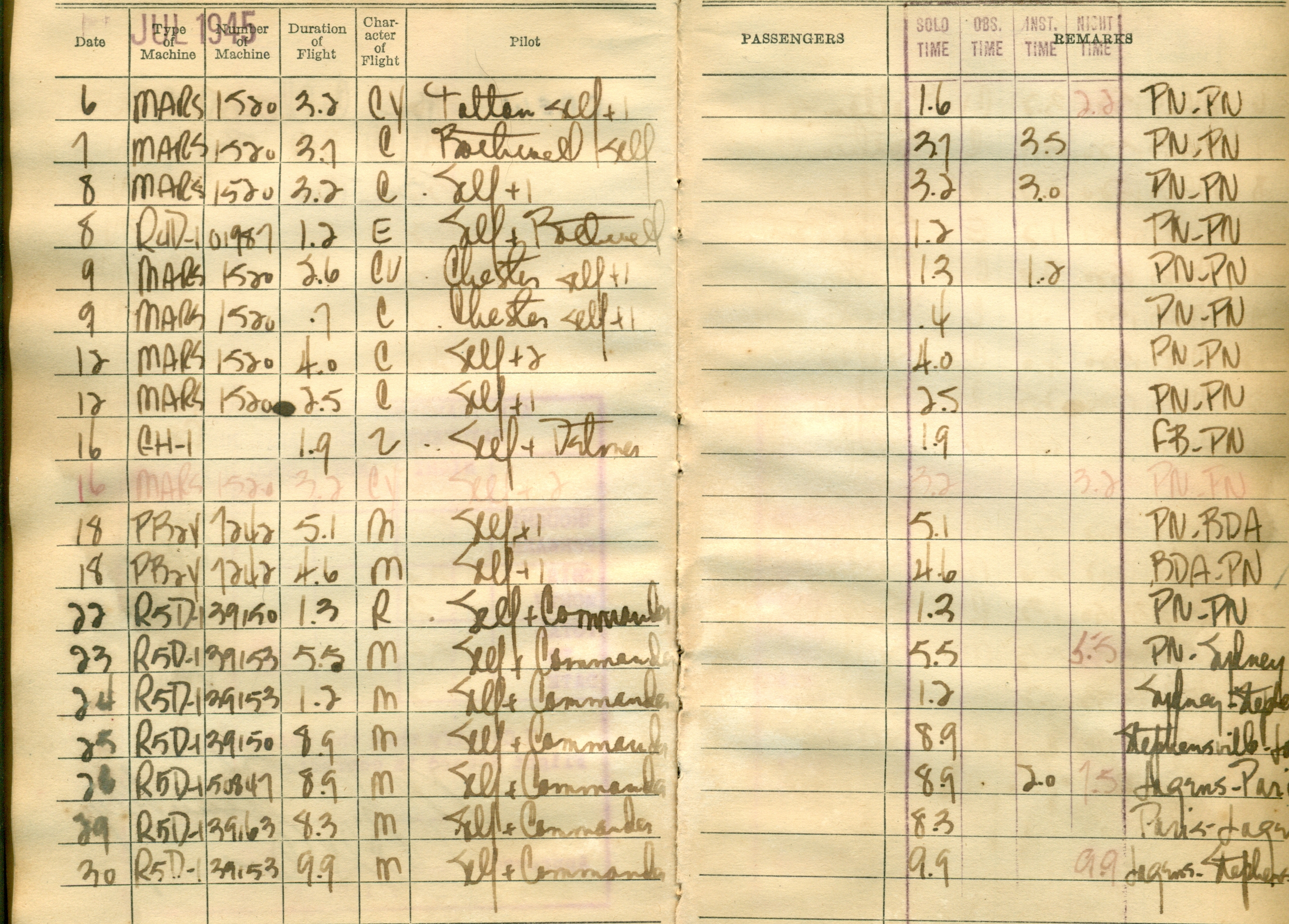
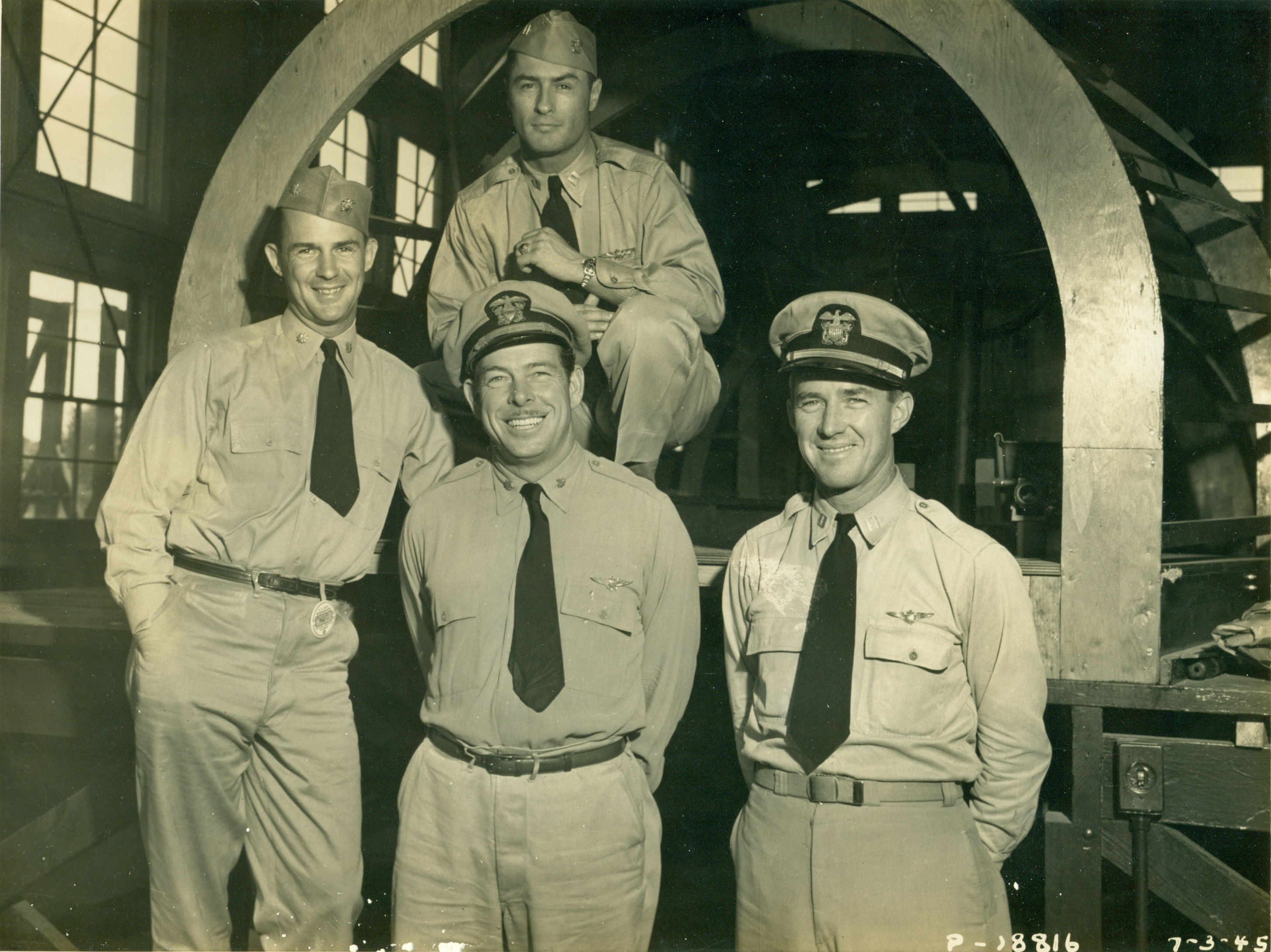
On July 6, 1945 Mont Chumbley, one of the subjects from “River of January: Figure Eight,” trained and flew the Martin Mars. The Mars was the largest amphibious plane built by the Glenn L. Martin Company located at Middle River, Maryland. However, one month later the bombings of Hiroshima and Nagasaki rendered deployment of the Mars to the Pacific unnecessary.

Enjoy the footage of Chum Chumbley and his crew at the helm. Thank goodness for old newsreels. Enjoy!

marstraining0001


Gail Chumbley is the author of the nonfiction series, “River of January,” and “River of January: Figure Eight.”

*note new blog address, chumbleg.blog


On The Road, Again

honeymoon0001

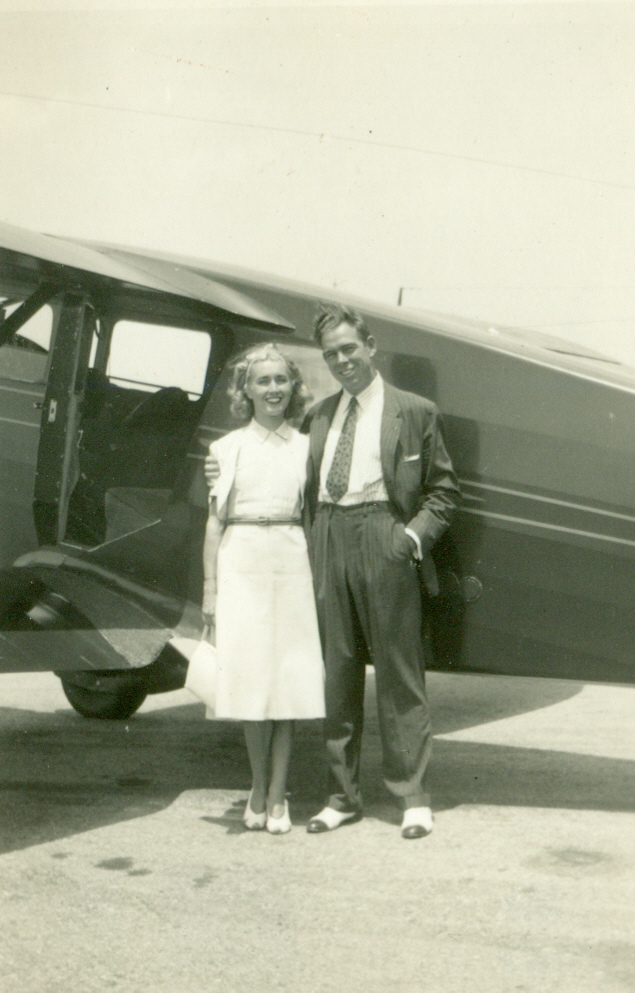
Chum & Helen, 1936

River of January: Figure Eight Comes to Salt Lake City.

Join us Saturday, December 17th, 7pm, at Weller Book Works, Trolley Square.

LOCATION

602 S 700 E
Salt Lake City, UT 84102

(801) 521-9878    

Beloved #392


“So buddy, I was wondering if you have any plans tonight,” Fred Murphy said as the Mariner throttled to the Alameda dock. “It’s nice to head over to San Francisco when the opportunity presents.”

“What did you have in mind, Murph?” asked Chum.

“Is that a yes? Because there is this place pilots really like—but it’s a kind of a surprise, and you’re gonna have to trust me.”

“You, Fred? Trust you? Should I pack my service revolver?”

“Just trust me, Chum.” Murphy smiled.

That evening, a yellow taxi crawled up the steep incline of Telegraph Hill in the drizzling rain—Coit Tower front and center in the foreground. From his vantage point in the cab, Chum studied the illuminated monument—the raindrops and the wipers making it an abstract, streaky blur one moment, a defined structure the next. Their cabbie downshifted, doubling horsepower for the uphill climb to a line of apartment buildings stacked along Montgomery Street. The taxi stopped at a plain stucco building, the simple design a contrast from the adjoining buildings with ornate wrought iron balconies. Murphy paid the cab fare.

“This doesn’t look like much of a nightclub, Fred,” Chum remarked.

“Trust, remember? Besides, this is the best place in the Bay Area for fellas like us, pal. You just wait—she’s gonna love you.”

“You know I’m married, Fred.”

“Ha! Funny, Chum. So am I.”

The men ducked under the stoop and Fred gave a quick knock on the door. After a moment, a small Asian woman opened the door. She’s smaller than Bertha, Chum thought. The maid maybe?

“Lieutenant Murphy! Welcome back, welcome back,” The woman’s smile transformed in warm recognition. “You have escorted someone new to meet me, I see. Is he as skilled as you, my dear lieutenant?” Chum felt his jaw drop. Murphy laughed.

“Hello, Mother.” Murphy stooped and pecked the woman’s cheek.

Under her wire-framed spectacles, “Mother” shifted her appraising eyes back to Chum. “Welcome to my home, Lieutenant. And you are . . . ?”

Still unsure about why he was there, Chum stumbled over his answer. “Chumbley, ma’am. Lieu . . . Lieutenant Montgomery Chumbley. But please call me Chum.”

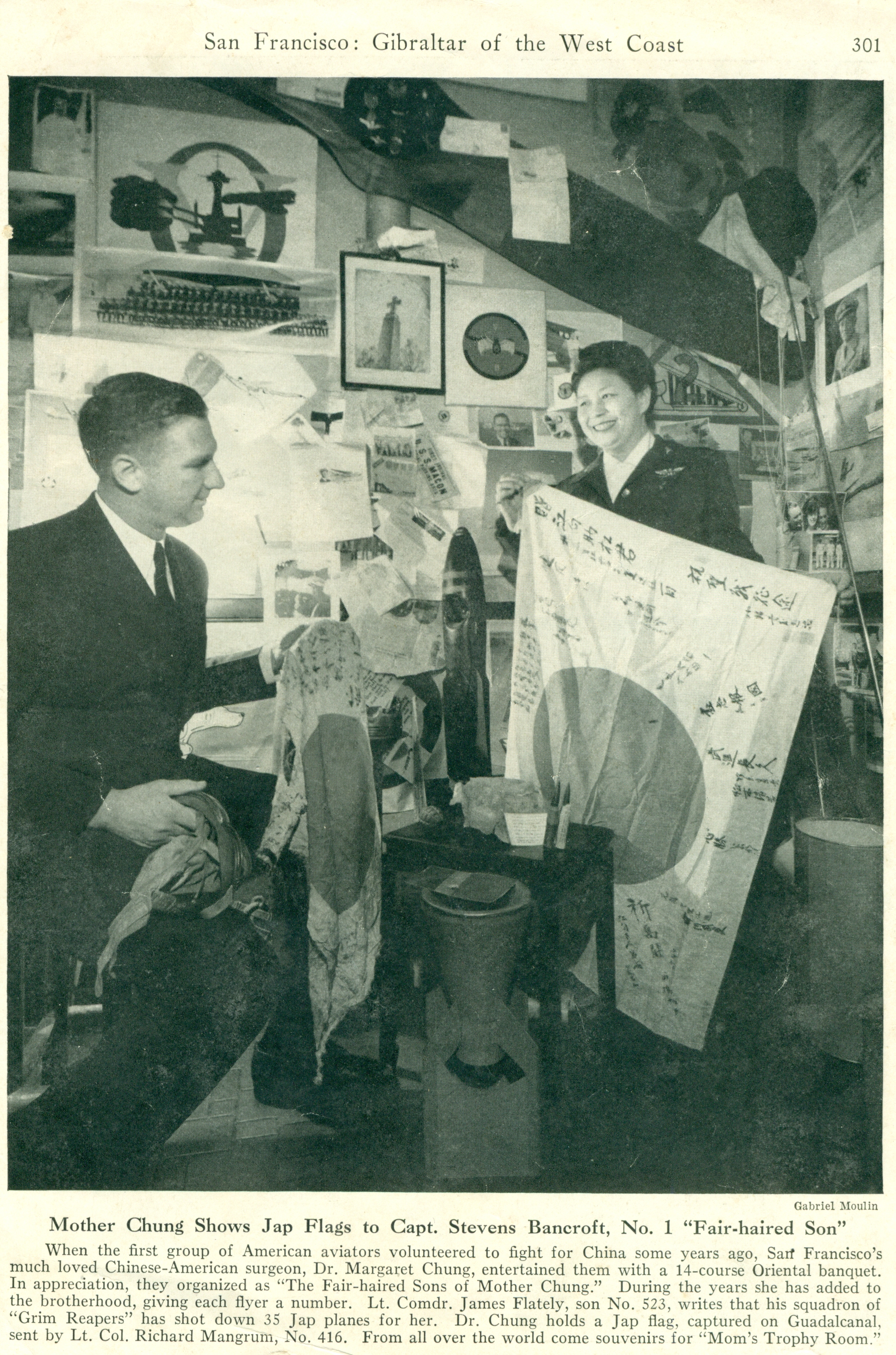
“Delighted to meet you, Lieutenant Chum. I can see that Fred did not prepare you for this visit.” Mother’s eyes returned to Murphy, conveying a light reprimand. To Chum she said, “I am Doctor Margaret Chung, but as you have already witnessed, all my sons refer to me as ‘Mother.’ Lieutenant Murphy has brought you here tonight to not simply meet a nice Chinese lady, but—I would guess—for your formal adoption into my family. Please come in, come in.” Dr. Chung gestured down a long, cluttered hall, and the two pilots complied.

Presented with such a confusion of artifacts, it was hard to know where to look first. Framed glossies of smiling aircrews, salvaged pieces from Nakajimas and Zeros—propellers, pieces of fuselages, wings—graffiti-strewn flags bearing the distinctive rising sun, spent torpedo casings, Hellcat and Corsair unit insignias, and hundreds of news clippings and snapshots of smiling pilots . . . her walls a chaotic collage of air war memorabilia. Dr. Chung studied Chum’s incredulous face as he absorbed the massive collection, visibly pleased with his reaction.

“Please find a seat, gentlemen, and allow me to explain my haphazard museum to our guest,” Dr. Chung said. Chum slumped into a stuffed wingback chair, his eyes still sweeping the memorabilia. “As you already know, Lieutenant Chum, China is presently suffering under the cruel occupation of the Japanese Empire. You need look no further than the barbarism that took place in the city of Nanking to understand my natural revulsion.”

Chum nodded. He had seen newsreels of the butchery in that city.

Dr. Chung’s eyes reflected both tragedy and determination. “I have made it my mission to raise not only awareness but also funds for the suffering people of China. It is men like you, our skilled pilots, who are striking most directly against the foe, and that kind of bravery has made you one of my dearest sons.”

Dr. Chung dropped her gaze and reached over to an end table, picking up a leather-bound ledger. She shuffled through the pages, passing inscribed signatures, finally chancing on a blank space. Holding her fountain pen, Mother began scribbling into the register. “There—done.” She glanced at Chum. “You, Lieutenant Chum, are now officially a member of the Fair Haired Bastards. Ah, let me see”—Dr. Chung silently calculated—“you are son number three hundred and ninety-two.”

She extracted a small card from a drawer in the end table and carefully filled in the blank lines. Finished, the surgeon rose and, with a handshake, presented the card to her new visitor. Chum read:

This is to certify that

Montgomery Chumbley

Is a member of Dr. Margaret Chung’s Fair Haired Bastard’s Club, San Francisco

                                                                                         Margaret J. Chung MD

Her intense eyes softened, her smile gentled. “Remain safe in those dangerous skies, Lieutenant Chum. I don’t want to lose any more of my sons.”

Chum glimpsed over to his co-pilot, then back to his exceptional hostess, grappling for something to say. “Thank you, ma’am. This is an unexpected honor, and I will do my best to defeat our enemy.”

At that, Dr. Chung beamed, offering the boys a beer. More relaxed, the doctor inquired about their aircraft, their primary duties, and what they had seen of the fighting.

“Doctor Chung, ma’am,” Chum said, still inspecting the cluttered walls. “I just have to ask. Who is Fair Haired Number One?

“Ah.” She nodded, producing a wry smile. “An excellent pilot, and he’s from this area—from San Francisco. You may know him, Lieutenant Chum. His name is Lieutenant Bancroft, Stevens Bancroft.”

Of course he is. Chum threw his head back and laughed. “Oh yes, I know him, ma’am.

stevechung0001

River of January: Figure Eight is available on Amazon.com and at www.river-of-january.com

December 7, 1941

A Reprint from 2016

Please join us next Wednesday, December 7, 2016 at the Boise Public Library for the release of the long awaited sequel to “River of January,”  “River of January: Figure Eight.”

 Adjusting to marriage, with fears of a fast approaching war, Chum and Helen look to their future with uncertainty.

Boise Public Library, 715 South Capitol Blvd.

3rd Floor, 7PM

Both volumes make for wonderful yuletide gifts.

Special Mission #1

prisoners0001

Flight manifest for a special mission in December, 1943. Japanese prisoners of war were transported by Captain Chumbley to Brisbane, Australia. Note the name H.V. Kaltenborn, NBC correspondent. Kaltenborn joined Chum in the cockpit for this flight. For the rest of the story order River of January: Figure Eight on Amazon, and at www.river-of-january.com

Shipping free through Wednesday, November 30, by clicking this link.

Gail Chumbley is the author of “River of January,” and the sequel “River of January: Figure Eight.”