Author Archives: gail chumbley
An Open Letter To NBC
NBC News is my media outlet of choice. Integrity and journalistic excellence has made for my confidence in the network. Adding Rona McDaniel as a consultant runs counter to the very qualities that built the network.
By allowing a documented source of misinformation (lies) as a consultant, NBC legitimizes that position as valid.
It is not.
Lincoln would not treat with the Confederates, nor FDR with Hitler. Do not permit Ms McDaniel a seat of legitimacy in a world dependent on facts.
I would encourage your anchor line-up to a work stoppage, and I will change the channel.
Post script-This goes for DJT as well. During the campaign you covered him easily 3:1 over the VicePresident. Give us all a rest. Don’t sell out our democracy for ratings.
Gail Chumbley, Idaho
A Rendezvous
One central philosophy guided my years of American history instruction. The story had to feel personal to each student, after all it is their country. For the unit on World War Two, I aimed to act as a bridge between my grandparents generation to the kids seated before me. While growing up, my grandparents played a large part in shaping my world view, as the old folks often shared their life experiences. Each had a unique tale on how they committed to fight totalitarianism abroad in the 1940’s, and defend democracy at home.
All the following accounts involved inconvenience, sacrifice, and interruptions to family life. At that singular moment all they knew was to serve their country, and defeat foreign tyranny.
A new dark age lay in America’s defeat.
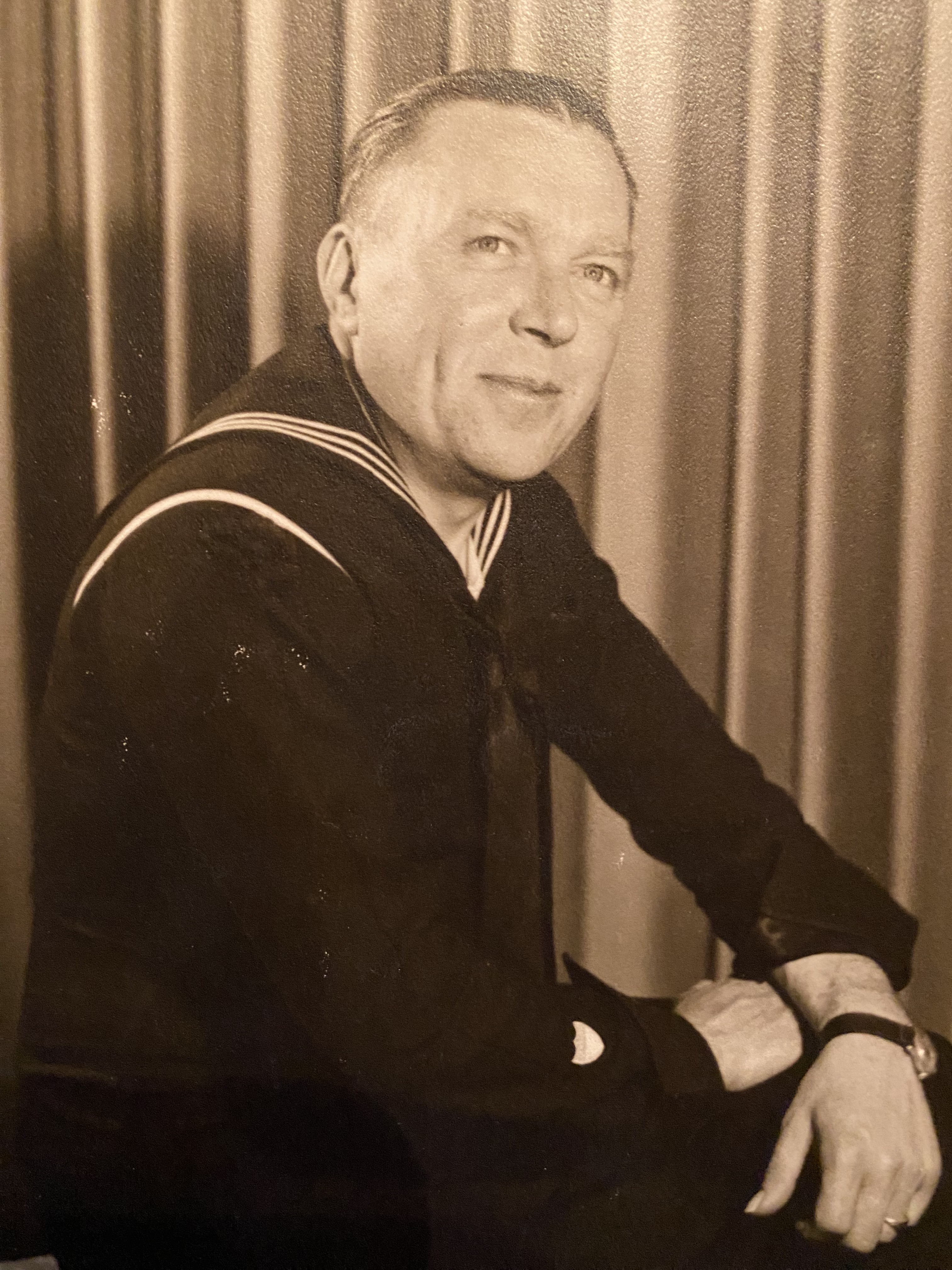
This is Ray Turner, born in 1905 in Hammond, Illinois. This young man migrated west, joining family members in Northern Idaho. Ray soon found his way to Spokane, Washington, where he found work as a postal carrier. Stopping for lunch along his mail route he met a waitress in a downtown cafe, Ailene Peterson, a single mother of one, and after a while they fell in love. Marrying in the fall of 1941, the newly weds, while on a Sunday drive caught a breaking news bulletin on the car radio that the Japanese had attack on Pearl Harbor in Hawaii. Ray turned his automobile around, motored back to Spokane, and joined the Coast Guard the next morning. Stationed out of Willapa Bay in Tokeland, Washington, Ray and the crew of the USS Manzanita patrolled the extensive, rugged Pacific coastline of Washington and Oregon monitoring for Japanese vessels. And it was aboard the Manzanita that Ray remained until August,1945 when he mustered out of the service and returned to Spokane. After a life of grandkids, holidays, and fun on his lake property, he retired from the US Postal Service, passing away in 1974.
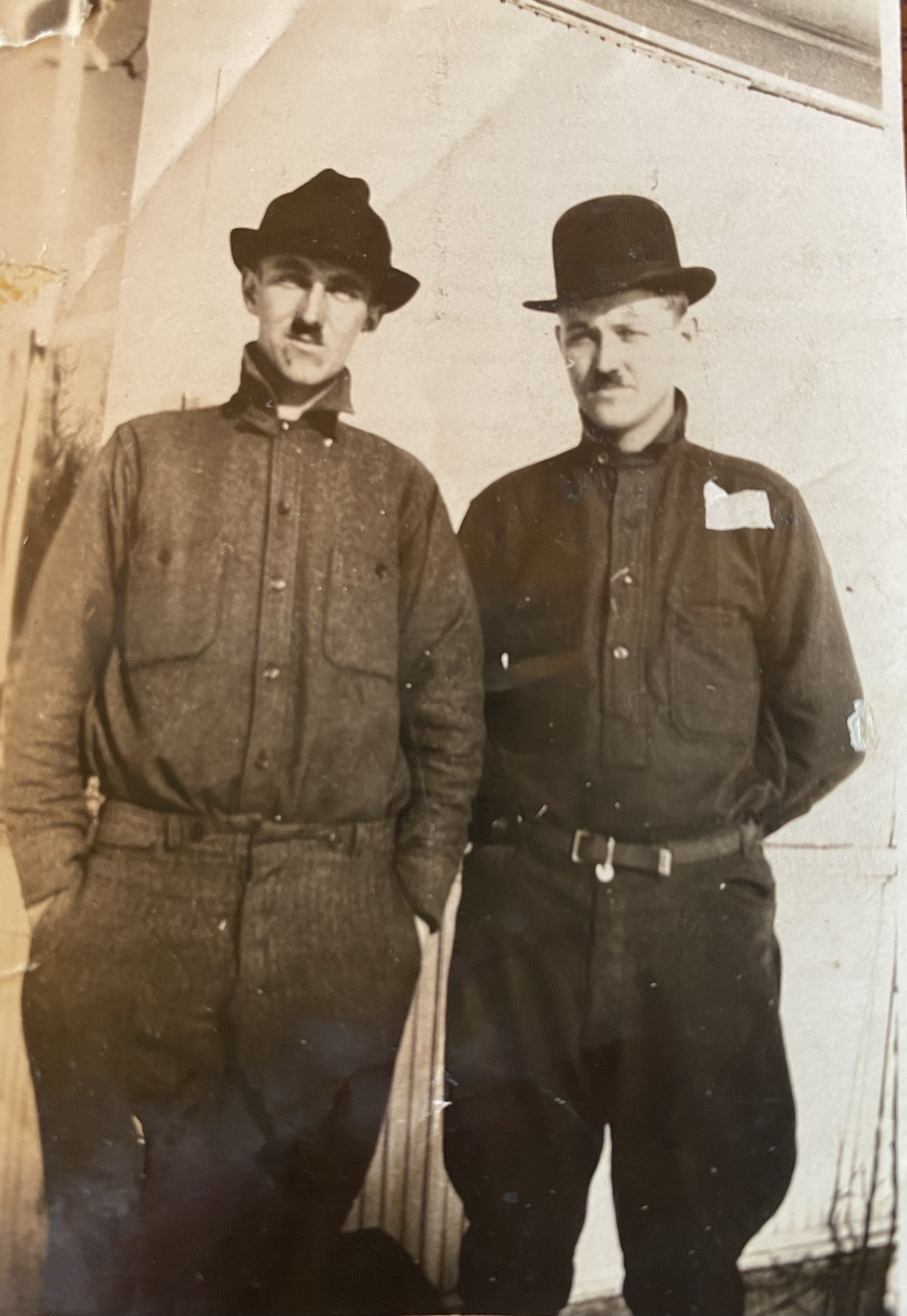
Kurtz Olson hailed from Wing River, Minnesota, born on a frigid day in January, 1905. Kurtz, as the youngest of seven children took up welding as a young man, and made a fair living during the difficult Depression years. This photo, take in the 1930’s, (Kurtz on the left) indicates that Hitler was considered harmless and laughable. That certainly changed in 1939, and after the Pearl Harbor attack brought America into the war, Kurtz packed up his wife and family and traveled west to Tacoma, Washington in search of war work. Kurtz spent his days dismantling scrap metal in a welding yard preparing the steel for conversion to ships, planes, tanks, and other war materiel. After the war Kurtz moved his family to Spokane, where he welded, owned a series of mutts, cut firewood with his son, and grandson’s. Kurtz passed on in 1989.

This GI is Joe Tucker, this snapshot taken somewhere in France around 1944. Born in Craig County, Oklahoma in 1907, Joe found himself back in uniform at the ripe old age of 37, much older than the 18 and 19 year-olds in his outfit. Joe had actually been in the army until 1939, receiving his first discharge before the war. Making his way to the Pacific Northwest he too, settled in Spokane where he met and married a widow with three children. His daughter from his first marriage lived in the city, as well, and he wanted to remain near her. Working for the Northern Pacific Railroad, with his new, larger family, Joe joined the Washington National Guard for the extra pay guard duty brought in. After Pearl Harbor the US Government nationalized the Washington Guard, and off he went to war. After training stateside, then stationed in the south of England, Joe found himself on Normandy Beach on June 7, 1944, D+1. Surviving those first days he and his fellow Guardsmen suffered through the Battle of the Bulge, finally winding their way to Germany. On one particular night, Joe stood guard duty somewhere in Germany. He heard his sergeant grouse was the soldier on duty asleep? The reply was no, it’s Tucker, and he’s awake alright. (Joe liked telling that story). Eventually Joe shipped home to reunite with his family in 1945.
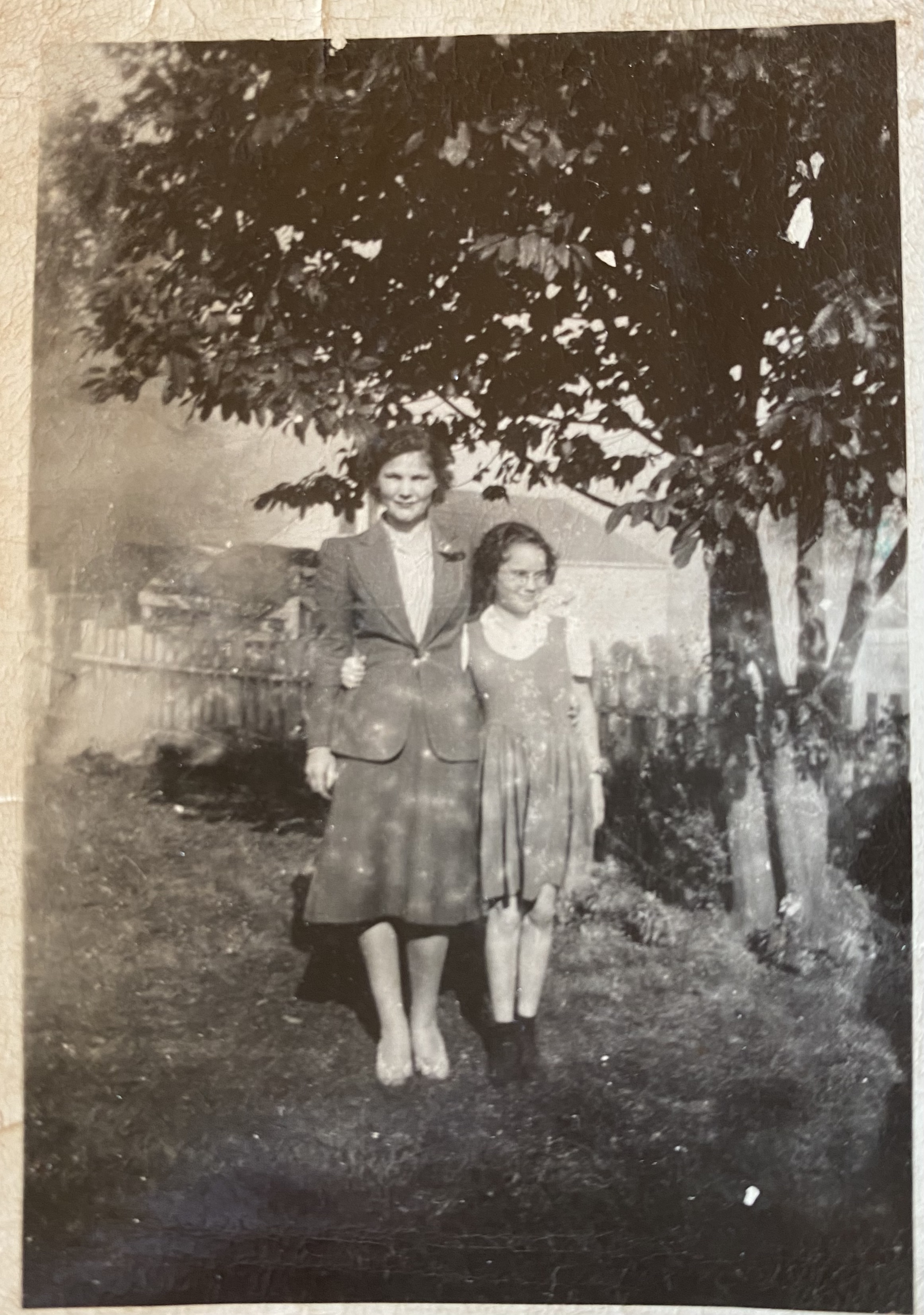
From her waitressing job, Ailene Peterson, turned Ailene Turner followed her new husband Ray to the Washington coast. Traveling with her young daughter Ailene looked for war work as well. Born in 1914, in Clinton, Minnesota, Ailene had married quite young, desperate to leave her father’s stump farm in North Dakota. Husband #1, Joe Tucker had failed her, and with her young daughter in tow, sought refuge with family members in Spokane. It was in Bremerton, Washington that she found employment wiring mine sweepers for America’s Russian allies, (she said they were very rude). In later life, Ailene proudly mentioned that her work never had to be redone. She always wired it right the first time. In an operators cab of a crane, Ailene noticed the girls below waving their arms and jumping about. Shutting down the motor she heard them yell that the Japanese had surrendered, and the war was over. Ailene scrambled down from her seat, and joined the victory celebration. She, too, along with Ray returned to Spokane until her death in 1990.
Besides being my grandparent’s, and generously sharing their remarkable stories with me, what else did these people share in common? They put aside their personal lives to step up in defiance of fascism and authoritarianism. They knew that service to America, to our democracy, was their first duty.
Retelling my grandparent’s war-time sacrifices to my history students added a vividness to the coursework that encouraged the kids to do the same with their elders. That, once again is how I bridged the war years to now, making it personal for students.
President Roosevelt had characterized that moment as America’s “Rendezvous with Destiny,” and those people rose masterfully to the challenge. And despite all the hostility to democracy today, we cannot surrender to those forces, and betray our forebears who stood up to defend our way of life.
Perhaps now is our “Rendezvous with Destiny,” and this time all we have to do is vote for the Democrat over the wannabe dictator.
Once again, a new dark age lay in America’s defeat.
Gail Chumbley is the author of the two-part memoir, “River of January,” and “River of January: Figure Eight.” Both are available on Kindle. Chumbley has also penned two history stage plays, “Clay,” and “Wolf By The Ears.” She is the co-author of “Dancing On Air,” and feature length screenplay, and is working on “Peer Review,” for the stage, a series of short plays where DJT meets real presidents from the past.
gailchumbley@gmail.com
Symmetry

This reactionary-looking gent is Marylander Roger Brooks Taney, an Andrew Jackson appointee to the Supreme Court. History remembers Justice Taney as the author of the Court’s most infamous ruling in Scott V Sandford (1857).
Before his rise to the Court, Taney had made no secret of his opinion on slavery and citizenship, insisting that blacks in the country had no rights white men were bound to respect. A free black had requested documents for overseas travel that Roger Taney, as then US Attorney General, rejected. Taney declared his view that blacks were not citizens, and never would be. Travel documents for this man of color were denied.
Another important element in this story concerns the Missouri Compromise of 1820. Settled eight years prior to the election of Andrew Jackson, this legislation directed that, with the exception of the new state itself, slavery would be forbidden westward along Missouri’s southern border. Most Americans hoped that this Compromise Line would endure forever, clearly delineating for posterity new slave states from free.
By the time the Scott case wound its way to the highest court, violence and bloodshed had erupted on those very western lands-the Kansas prairie. Emigrants raced from both northern and southern states, dead set to vote upon the status of slavery in the new state’s pending constitution. A volatile mix of invading, pro-slave Missouri Ruffians assaulted Free-State Jayhawkers near Lawrence, sparking deadly violence across the region. Unrepentant slaveholders demanded their 5th Amendment property rights (meaning slaves) be allowed any place slaveholders settled. At the same time, equally fervent opponents contended the “peculiar institution” would remain only where it existed, never to pollute new territories, or America’s future.
Justice Taney, as Chief Justice, took umbrage at these incessant attacks, and at those Northern rabble rousers who would not obey the law. When the Dred Scott case entered deliberations it appears Taney intended to settle the question for all time, silencing forever those interfering, and self-righteous Yankees. When the Court finally issued its ruling in 1857, Justice Taney’s opinion rang out with certainty, and finality.
Taney wrote
I Despite Dred Scott once residing in free territory with his master, he was still a slave.
II As a slave, Dred Scott was not a citizen and had no standing in court.
With those two main points established, Taney could have ended his decree, but the Chief Justice had some personal venom to add.
III Congress had exceeded its authority in legislating the Missouri Compromise in 1820, and the 1820 law was unconstitutional.
IV Movable property, (slaves) could not be restricted by boundary lines or by popular vote. Property was protected by law.
Believing he had settled the dispute, Justice Taney had, in fact, only stoked a more massive inferno.
Indeed the Civil War exploded within four years of Taney’s ruling, and blazed for four bloody years. In the aftermath, in an interesting turn of symmetry, the Fourteenth Amendment was submitted for adoption, flipping all of Taney’s arguments provision by provision.
I By virtue of birth in the United States, one was a citizen.
II As a citizen a person was due all rights and immunities, with equal protection under the law.
This amendment reads as if the Scott Decision acted as a template for reversal.
Fast forward to 2008.
President-Elect, Barack Obama, in a conscious effort to mirror the sequence of fellow Illinoisan, Abraham Lincoln’s inaugural, deliberately followed the 1861 Lincoln festivities. The Obamas rode the same train route as had the Lincoln’s, breakfasted on the same meal inauguration day, and when the moment came for the swearing in, President Obama chose the same Bible as touched by Abraham Lincoln’s right hand in 1861.
In this last twist of symmetry that Bible belonged to Justice Roger B Taney, the man who decreed blacks were not citizens and never would be. A very satisfying turn, indeed.
Gail Chumbley is the author of the two-part memoir, “River of January,” and “River of January: Figure Eight.” Both are available on Kindle. Chumbley has also penned three stage plays, “Clay,” “Wolf By The Ears,” and “Peer Review.” She has cowritten “Dancing On Air,” a film script.
Meet The Beatles
It was the night of February 9, 1964, a Sunday, when my older brother and I had to make a crucial little kid decision. The situation we faced left us over stimulated, careening off the living room walls. Our dilemma concerned whether or not to watch “Davy Crockett at the Alamo” on Disney, or the Beatles on Ed Sullivan. Adding even more adrenaline to the mix, our shared birthday was the next day, Monday, the 10th.
Agony.
In 1964 there were no video players, no DVD players, no home computers, or dvr’s. Our television stood inside a wood frame measuring about the size of Volkswagen Bug and beamed three network channels in glorious, flickering, black and white. This night’s decision was a one-off with no do-overs. Period.
Dale and I liked Davy Crockett an awful lot. We had watched all the previous episodes, and Davy biting the dust in San Antonio was the much anticipated grand finale. But, oh, the Beatles! “Please Please Me” had infiltrated AM radio, and the fever on the airwaves was palpable.
This was a single decision, and a weighty conundrum for an almost 10, and almost 9 year-old. We had to choose.
In the end we tuned into Ed Sullivan and our world permanently shifted on its axis. George’s opening chords launched into John and Paul’s vocals. “Oh, yeah I’ll tell you something, I think you’ll understand.” The look, the sound, the energy knocked us both for a loop. And the band seemed so delighted with performing, visibly getting a kick out of the reaction of the screaming studio audience, and by extension, all of America. And then that deep bow at the end of the song! Wow.
In fan magazines we learned more about each individual: who was quiet, cute, endearing, and the leader, but those were minor details. That moment, on February 9th all we sensed was joyful wonder. John Sebastian said it best later, singing “how the magic is the music and the music’s in me,” and magic struck on that winter’s night.
The introduction of the Beatles to America reset the course of music world wide, not a small thing. Over the following years the joint efforts of Lennon/McCartney clearly demonstrated genius in both songwriting and brilliant recordings. After their breakup the four musicians pursued other projects: The Plastic Ono Band, Wings, Wilburys, and Ringo’s All Star Band. Each married, had children, remarried, then John was tragically murdered, and George died of cancer.
Now Paul and Ringo attend public commemorations of Beatle music, while their children pop up frequently on social media, each pursuing some latest venture or other. But those facts are details, and rather unimportant details compared to that singular moment on February 9, 1964.
For years I called my brother on our birthday, blasting “Birthday” from the White Album because “it’s my birthday too, yeah.”
Now a lifetime has passed, and my birthday twin and partner in Beatlemania sadly died. But I remember, I’ll always remember. The gift of that moment survives, when we were both very much alive breathing in the unbounded optimism, energy, and magic when Dale and I first met the Beatles.
Oh, by the way, I’ve never seen “Davy Crockett at the Alamo.”
Gail Chumbley is the author of the two-part memoir, “River of January,” and “River of January: Figure Eight.” Chumbley has also authored the stage play, “Clay” and “Wolf By The Ears.” In addition, Gail co-authored the screenplay, “Dancing on Air” based on her books.
Peer Review One: A Play
Peer Review One
__________________________
10 Minute Play
By Gail Chumbley
SCENE 1
The stage lights rise. Two wingback chairs sit closely on the stage, and a table. Two men, both marines, stand on either side of the stage apron. The sounds of voices are heard off stage. The stage lights shift to blue as a man, The President, steps onstage. The Marines salute, and the president salutes impatiently. The guards disappear in darkness.
THE PRESIDENT
I can hear them. Tourists. Here to see where I, their President lives.
Three girls enter giggling and taking cell phone pictures. The president fusses with his hair.
THE PRESIDENT
And where are you girls from?
The girls move on without noticing him.
Wait! I’m here. Your president. I’m here.
A couple appear looking about, pointing toward “walls,” chatting quietly. The president straightens his tie, and again touches his hair.
THE PRESIDENT
Welcome to my White House. Wanna a picture with your President?
The couple murmurs quietly, indifferently looking around. They turn and stroll offstage. The president follows a few steps.
THE PRESIDENT
You people deaf? What is wrong with you? This is disgraceful. I’m President of the United States, for god’s sake.
A man appears on stage left. He wears a top hat, mustache, pince-nez spectacles and cutaway jacket with tails. He carries a cane. The man approaches the president from behind. He speaks in a patrician voice.
THE MAN
Am I to understand that you are a New Yorker?
The president startles.
THE PRESIDENT
Um, hello. Are you here with a tour group? Bet you want a picture with me, your president.
THE MAN
I ask a simple question, and you reply with a question. I understand you are a New Yorker. Are you or are you not?
The President attempts to walk to no avail. The man stands uncomfortably close.
THE PRESIDENT (Looking around)
I can’t move! My feet are frozen to the floor! Where is my security detail! Where are my marines?
THE MAN
We have all been watching you, and even Mr. Nixon is appalled. Once again, are you a New Yorker? Speak up when I’m addressing you.
THE PRESIDENT
Mr. Nixon? How did you get in here? Are you a re-enactor?
The muted sound of tourists continues off stage.
Yes. Yes. Everybody knows me. I made my fortune in New York real estate, if you must know. I’ve heard many people say I’m the best businessman ever . . .
The man begins to pace and speak at the same time.
THE MAN
From my understanding you are nothing beyond a scoundrel from the wealthy criminal class. I made a career of exposing popinjays like you.
THE PRESIDENT
Well, you’re a nasty piece of work. I am the President of the United States. I won the election by the biggest margin in American hist . . .
THE MAN
Poppycock! We have come to find that result came about due a mere tilt in the electoral count, and foreign interference. Russians, no less. After the revolutionary stirrings in 1905, I feared Russian unrest would spread to the United States. Conditions in mines, shops and factories here were inexcusable. Strikers shot down in the Pullman Rail Strike, vile conditions in Chicago’s meatpacking industry, sweatshops forcing 12 hour work days. Labor agitators pushed for reform, and I agreed. In Russia, Bolsheviks never did extend justice to the working class, only more oppression. They were not, and are not America’s friend, and intend only to destabilize this nation. Through your absence of character, and love of money they have succeeded.
THE PRESIDENT
You are wrong. That’s a lie. A lie.
THE MAN
You foolish pip. Inviting Russians into the West Wing? Unacceptable! Never should foreign adversaries be permitted to enter the inner sanctum, nor rioters in the Capitol. Mr. Lincoln will have more to say on that particular travesty.
The President appears shocked. He mouths “Lincoln.”
You have besmirched America before the world. I’d say you are a compromised pawn of foreign meddlers, and their graft. You give not one whit for America.
THE PRESIDENT
You can’t talk to me like that. My security will be back and you’ll be thrown out.
THE MAN
Sergey Witte.
THE PRESIDENT
What? Who? Just get out!
THE MAN
Hold your tongue! When you are in the presence of a gentlemen, behave accordingly. Witte was a Russian, so you will approve. The Japanese inflicted the most impressive defeats upon the Tsar’s navy in 1904-05. America then had no quarrel with Japan or Russia, however, I was asked to arbitrate peace negotiations. My view of the Russians changed with Witte. What a crude, unmannered man, unlike the thoroughly well- mannered Japanese delegation who comported themselves so gracefully! This so-called “diplomat” grew belligerent during peace talks insisting Russia be awarded more largess from the treaty. That villain stalled and argued for adding more claims, despite losing the war. I gave that knave a piece of my mind.
The man removes his top hat and sets it on a table, and checks his pocket watch.
Good I have time.
THE PRESIDENT
Time? Don’t stay on my account. I’m a busy man. Meetings, briefings.
THE MAN
Sit down this instant.
The president instantly sits. Looks alarmed.
Witte is the point! The Russians only look out for Russia, not you, the bankrupt fool who fell backward into the presidency.
THE PRESIDENT
I’m being pranked. Some a-hole is filming this. Where is the camera? I hate pranks. Meadows is going to hear about this.
The muffled sound of passersby continues. The president sits uncomfortably, and shuts his eyes.
I’m dreaming. That’s it, I’m asleep. When I open my eyes he’ll be gone.
To the man.
I’m opening my eyes now and you better not be here.
The man leans over the sitting president. He opens his eyes face to face with the man. The president startles again.
THE MAN
I am not finished.
The man again paces and speaks.
Bribery does not belong in foreign policy. And America still has a grand future on the world stage. We show strength through integrity–not by shaking down America’s allies for political favors.
THE PRESIDENT
Stop right there, that was a perfect phone call . . .
THE MAN
In foreign affairs we must make up our minds that we are a great people and must play a great part in the world. Nothing less.
The man turns toward an imaginary window. The president attempts to stand, but only succeeds in moving the chair a little. He utters a grunt.
THE PRESIDENT
I have great knowledge of foreign policy. And despite what some people say, I was always against the war in Iraq, and a lot of people weren’t.
The man shakes his head in disbelief. The President continues.
Look, Obama left a foreign policy of one disaster after another. We don’t win anymore. . .We’re going to win big now.
The man looks around the Blue Room.
THE MAN
Talleyrand, Napoleon’s minister once remarked that though President Jefferson loved France, he was still an American first. I do not believe you are first loyal to America, only to your feral, financial instincts.
THE PRESIDENT
TalleyWho? Everyone knows I am the greatest Americ. . .
The man sighs, and with a turn of his hand silences the President.
THE MAN
It appears you have no pets. Quite revealing that-regarding a man. We moved into this house with dogs, cats, and other pets, including a pony. How the boys loved their animals. Our pets were considered part of the family. They and the children’s presence made the White House feel like home.
The man returns his gaze to the president, and smiles.
I would play a bear, and my two youngest would hide under the bed. I pawed and growled, and they giggled and shrieked for joy.
The president is defensive. He speaks.
THE PRESIDENT
Kid’s. The hardest thing about raising kids is time. I know men who leave their businesses so they can spend more time with their children, and I say, ‘Gimme a break!’ My children couldn’t love me more if I spent fifteen times more time with them.
The man watches the president doubtfully.
THE MAN
No pets. Not even for your youngest. And it appears the boy and his mother live separate lives. Your adult children keep their distance, as well. You have squandered a man’s real treasure for an artificial image.
The president wiggle-walks his chair still stuck.
THE PRESIDENT
First of all, I would feel like a phony having a dog. I don’t like dogs. And, so you know, my children love me, and my wife, too. They are so proud of me, so proud. I’m President. And most Americans love me. Those liberals are the problem.
The man snaps, waving his cane.
THE MAN
Is that why thousands of migrant children were separated from their families? Caged? Liberals are not, as you say, the problem!
The man clears his throat, and quietly speaks.
President Grant requested I touch upon the subject of military service. My father did not serve in the War between the States, leaving me a confused boy. I could not understand why. For me soldiering is the highest service a patriot can perform.
THE PRESIDENT
And now you’re going to tell me how great the military is. I really don’t care. Look, Sean Hannity is calling my office.
THE MAN
His decision concerned my mother. Lovely woman, my mother, she hailed from Georgia, and her brothers were serving the Confederacy. You see, my father loved her–simply loved her. He hired a substitute in his place, and aided President Lincoln in other ways.
The man taps his cane and smiles.
Still. I idolized him. He believed so much in public service. He cared about children, orphans living on the streets. Father founded the Newsboys Lodge, the Children’s Aid Society, and the American Museum of Natural History. The last he did for me.
The man strokes his mustache lost in thought.
THE PRESIDENT
On Central Park West?
The man nods.
Been there. Your father had it built? Seems like a big waste of money to me. Bunch of bones and dead animals.
THE MAN
Serving others is our obligation to the less fortunate. To me bad trusts exploited the poor for profits. We regulated fair rail rates for farmers, passed the Meat Inspection Act, and the Pure Food and Drug Act, to make all Americans safer.
The president looks bewildered.
THE PRESIDENT
Why? There’s a lot of money in big pharma.
THE MAN
Not listening.
As president, I never made a decision without wondering what my father would think.
THE PRESIDENT
Yeah, me too.
The president chuckles. The man shakes his head.
THE PRESIDENT
Still, I don’t care. Times have changed. Gotta get what you can when you can.
The man whips around.
THE MAN
Which is why I am here.
The President’s smile disappears.
THE MAN
All four of my sons served in the Great War, and fulfilled their duty. We paid the ultimate cost-our youngest, Quentin, in an aerial fight over Germany. So difficult to lose such a dear, sweet boy.
The man draws close to the president.
And Quentin was neither a sucker nor a loser! He believed in America, they all believed. Quentin held fast to the tenets of our noble land and answered the call.
The man flashes disgust toward the President, then becomes thoughtful.
In 1898, I, too, served as soon as I could. President McKinley named me under-secretary in the Department of the Navy, until I resigned to join the war against Spain. That decision led me to assemble the Rough Riders and ship out to Cuba. Most exhilarating. My father would be proud, of that I’m certain.
THE PRESIDENT
I’d like to do my duty too. But the political establishment trying to stop us is the same swamp responsible for our disastrous foreign policies.
The man frowns, then and continues.
THE MAN
We were on foot in Cuba, a cavalry without horses. We lined up at the base of Kettle Hill, and charged. The moment jolted electric, and my crowded hour began. Lifting my carbine in the air, I rallied from the front, showing the men they had nothing to fear.
THE PRESIDENT
And see, that’s the problem. That is why the military is a chump’s game.
The man shakes his head.
And who needs soldiers? I can do foreign policy, it’s easy. I know because I have a very good brain. I am very rich, people admire me.
The man gives the President an incredulous glance.
THE MAN
Are you deranged? Tossing about words, making no sense? And as for rich, I understand your father earned the fortune, and you have frittered away much of it.
THE PRESIDENT
Wrong. Lies.
THE MAN
Nouveau riche, new money. Gaudy, vulgar, pretentious, and hungry for the validation and acceptance that you will never receive.
The president audibly snores. The man continues to speak over the noise.
When I held office I used my “bully pulpit” in the best sense of the term. Once I believed as you, that the natural world existed to enrich man. But that is false. In my administration Congress approved five new national parks, protected bird sanctuaries, and game preserves. The intrinsic value of our land cannot be found in stock indices or business transactions.
The president snorts
Nowhere else in any civilized country is there to be found such a tract of veritable wonderland made accessible to all visitors, not only the scenery, but wild creatures of the parks are scrupulously preserved.
THE PRESIDENT
Well mister tree hugger I have gutted much of your precious protection and opened land for logging, mining, and drilling. Say goodbye to the Grand Staircase in Utah, well, half of it, anyway. Roads are being cleared as we speak, and off-road vehicles are roaring in. And that goody two shoes, Barack Hussein Obama created the Bears Ears National Monument. I chopped it up for developers. Because that is profit. Profit is real.
THE MAN
You are nothing new, but the only plunderer to reach the presidency. New York City has produced a long line of blackguards such as yourself, criminals like Boss Tweed, and George Washington Plunkitt. Driven by greed and power these men fleeced the public.
The man walks around the chairs still looking about. He speaks.
For the benefit and enjoyment of the people.
THE PRESIDENT
I’d enjoy getting the hell out of here.
He snores louder
THE MAN
Quiet you insolent twit. Those words are inscribed on the arch at Yellowstone Park. Now you shall no longer interrupt.
The man gestures, watching the president who is now unable to speak.
I, too enjoyed a life of affluence. However, with that wealth came obligations to the less fortunate. Doors down from our home on 57th Street the poor struggled in wretched poverty. And much like my father I possessed a troubled conscience.
The man strolls with his cane, and continues.
As Commander in Chief, our charge is to work for the people. All the people. Withholding aid to states you did not carry is a dishonorable breach of that trust.
The man touches the president’s chest with his cane, then resumes his pacing.
My love of justice and fair play may sound naive to you. But your blatant cheating, while pretending you haven’t, is shameless.
The man strikes the president’s chair with his cane. The president sits straighter.
My administration was known as the “Square Deal,” and we, my cabinet and I, kept that promise.
The man taps his cane on the floor again.
My father once counseled me to look after my morals, my health, and my scholarship. And that, I did. And your father? Raised you to love money and value nothing. Had you not been desperate to become president, you might have continued to lead this predatory life of grift and debauchery.
The president fixes his eyes on the man. Angry.
Much like King Midas, or a Greek tragedy, this fatal flaw, your infinite vanity, will now cost you your liberty.
The president struggles, mutely hopping his chair a bit.
You should not have run for office, where dignity and tight scrutiny are the norm. Unable to resist the lure of power, you are the catalyst of your own downfall.
The man puts on his top hat, and gestures. The president bursts free from his chair.
It’s time for me to leave, the others will join you presently.
THE PRESIDENT
Others?
THE MAN
Most assuredly. And the name of that national park is pronounced Yo-sem-i-tee.
As the man stroll off in one direction, the President runs off the other. The stage goes dark.
The Dramatists Guild of America was established over 80 years ago, and is the only professional association which advances the interests of playwrights, composers and lyricists writing for the living stage. The Guild has over 6,000 members nationwide, from beginning writers to the most prominent authors represented on Broadway, Off-Broadway and in regional theaters. To learn more about the Dramatists Guild of America, please visit http://www.dramatistsguild.com
Gail Chumbley is the author of the two-part memoir, “River of January,” and “River of January: Figure Eight.” Both are available on Kindle. In addition Chumbley has written two full-length plays, “Clay,” and “Wolf By The Ears.”
Behind the Smiles

This, of course, is Ann Frank. She sat for this photo montage in Brussels, Belgium, probably just before the war. The studio’s name was Polyphoto International and it was owned by a gentleman named Elie Gelaki.
Six years earlier Elie had established another studio across the Atlantic, in New York City, and evidence indicates he aimed to do the same across Canada, and Japan. Whether those offices actually opened is hard to determine, especially in Japan as war with China had erupted. However, the New York studio did open for business and Elie got to work.
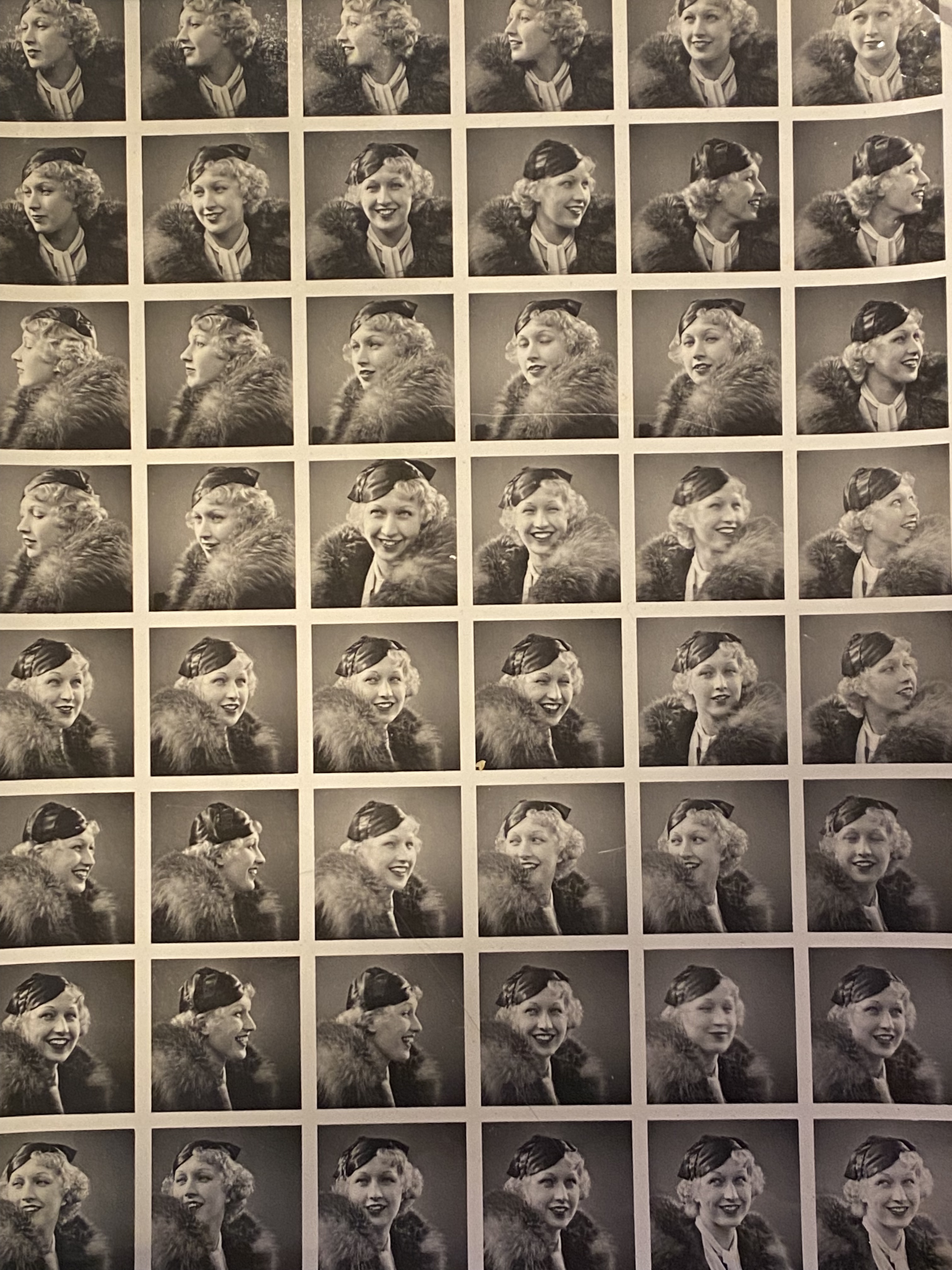
The subject of this session was the reason Elie had traveled to New York. Her name was Helen Thompson and she was a professional dancer. Though at first he had mistaken her name, Elie fell in love with the Helen, eventually following her to New York, seeking marriage. But the wedding never came about.
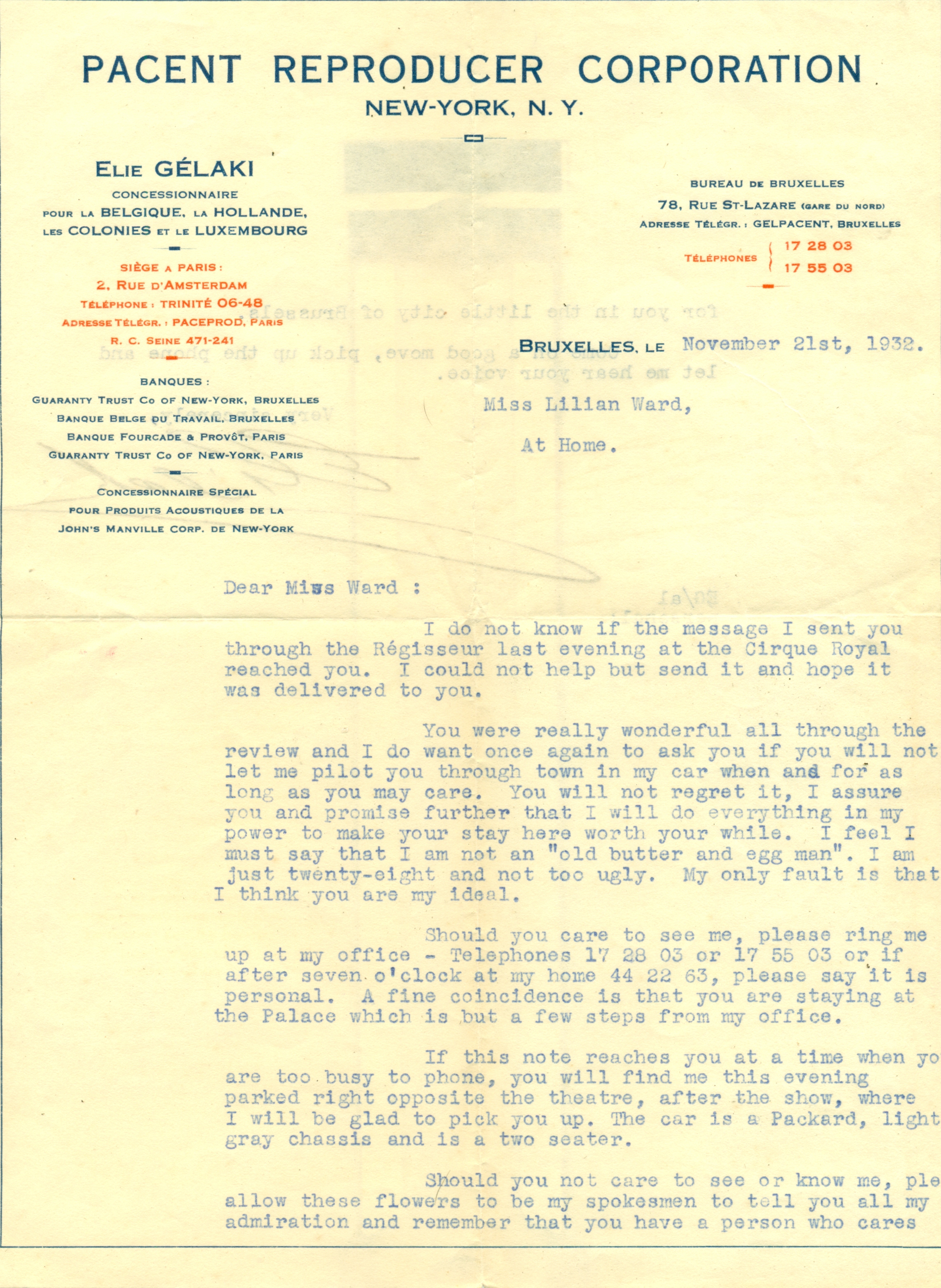
The 1930’s was a perilous time, especially for people like Ann Frank and Elie Gelaki, both Jewish, living their lives under the growing shadow of Nazism. And though Helen never married the Belgian she worried about his fate as the European war blitzed to life, and of course she knew nothing of Ann Frank until later. You see Helen was my mother-in-law, and though we never met, my husband told me she occasionally shared her anxiety regarding Elie’s fate.
It is evident that behind the smiles, and the momentary pleasure of picture taking, an epic story of three individuals played out in a dramatic chronicle of the 20th Century.
For more of this story read “River of January,” and River of January: Figure Eight” both available on Kindle.
Chumbley has also penned a feature film script based on the books titled, “Dancing On Air,” and in addition two plays on American history topics-“Clay,” and “Wolf By The Ears.”
gailchumbley@gmail.com
Stay The Course

1864 was an election year, and an apprehensive President Lincoln believed he faced certain defeat. Despite victories at Gettysburg and Vicksburg the endless lists of casualties had left Northern families weary of war. Two years prior the Democrats gained 27 seats in the House, as critics bashed emancipation and the draft riots in New York. As the President privately despaired, “The bottom is out of the tub.”
Lincoln’s greatest frustration centered on finding a general who could and would defeat General Robert E. Lee and his Army of Northern Virginia. A series of Union generals, all lackluster, had failed the President repeatedly. Irvin McDowell’s troops ran at Bull Run, Ambrose Burnside presided over a bloodbath at Fredericksburg, and “Fighting Joe Hooker” was roundly flanked at Chancellorsville. But the most troublesome of this difficult brood was General George Brinton McClellan.
On paper General McClellan had all the attributes of a winner. Studious, McClellan graduated 2nd in his class at West Point, joined the Army Corps of Engineers, and served in the Mexican War. Following a brief stint in the private sector McClellan returned to service when the war thundered to life at Ft. Sumter. Following a couple of minor victories in western Virginia, President Lincoln brought McClellan to the Capitol appointing him commander of the Army of the Potomac.
In Washington McClellan did whip his army into fine condition, and his men loved him in return. The difficulty the President faced was that McClellan would not fight. Over many months, with growing frustration at the army’s inaction, Lincoln stooped to sarcasm, composing a request to borrow McClellan’s army to go south, since the General wasn’t using them. McClellan returned the rancor referring to Lincoln as a “well meaning baboon,” and rudely rebuffing the President when Lincoln paid a house call.
Other McClellan gems include:
“By some strange operation of magic I seem to have become the power of the land.”
“Who would have thought, when we were married, that I should so soon be called upon to save my country?” (To his wife.)
and, reminiscent of a current blowhard candidate,
“I can do it all.”
During the greatest national emergency since the Revolutionary War, Mr. Lincoln, with so many other demands, had to cope with a difficult, obstinate officer. As the nation watched, the President could not get the man to budge. In one instance McClellan, in Virginia, argued he couldn’t move his forces as the horses were fatigued. Lincoln asked what could the horses have done to be fatigued?
McClellan needed to be replaced, but Lincoln hesitated to do so. Considering the love the Army of the Potomac held for “Little Mac” may have stayed the President’s hand. And there were no other officers suitable to replace him.
Later, after the Battle of Antietam in 1862, Lincoln fired the reluctant warrior after he permitted General Lee and his army to slip away.
As for the election of 1864, the President fully understood he was growing quite unpopular. He had spoken with General Grant on how to tie up the war before inauguration day when he would surely have to leave the White House. In an unexpected twist of irony Northern Democrats convening in Chicago, nominated their candidate to challenge Mr. Lincoln. They chose George Brinton McClellan.
Defeating the rebels grew even more urgent if that imperative was possible, for McClellan made clear his intention to negotiate a peace with slavery intact.
It is difficult to imagine the President’s anguish in such an impossible situation.
So it is a remarkable thing that Abraham Lincoln emerged from the contest victorious. Severe Northern opinion hadn’t softened, the press relentlessly criticized Lincoln’s war policies, so how did this miracle happen?
Credit the Army of the Potomac.
Though the men did admire their former commander, they knew President Lincoln remained committed to the cause they shared: freedom and Union. Oceans of blood had been spilled, uncountable hardships endured, and still Union forces and the President stayed the course. These comrades-in-arms kept the faith with their president, in a war for America’s future.
Lincoln had their backs, and these men fully understood their duty.
Today, as America approaches the election of 2024 Americans of good will must also vote for the President who solidly supports their interests. Mr. Biden’s successes include The American Rescue Plan, a stimulus bill, Build Back Better, an infrastructure spending act, and a bill lowering drug costs, such as capping insulin for diabetics, demonstrates Biden’s priorities. Like 1864, the opposition party has nothing to offer but a self-deluded windbag who has proven himself more ineffectual, and delusional than General McClellan, who at least had a real resume. Nonsense is nonsense.
An advocate for all we hold dear, voters must remain as faithful to our ideals as Joe Biden, our Chief Executive. Today the task of preserving America is as crucial as the crucible of the Civil War
We have an obligation to defend our national laws, and the ideals that shaped them. Americans, yet unborn are counting on us.
Gail Chumbley is the author of the two-part memoir River of January, and River of January: Figure Eight, both available on Kindle. Chumbley has also authored “Clay,” and “Wolf By The Ears,” two historically-set plays.
Reality Check
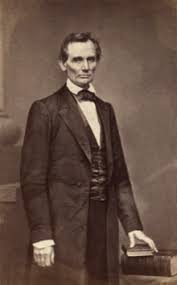
“The philosophy of the schoolroom
in one generation
will be the philosophy of government in the next.”
President Abraham Lincoln
GAIL CHUMBLEY is a history educator and writer. chumbleg.blog
Splintered
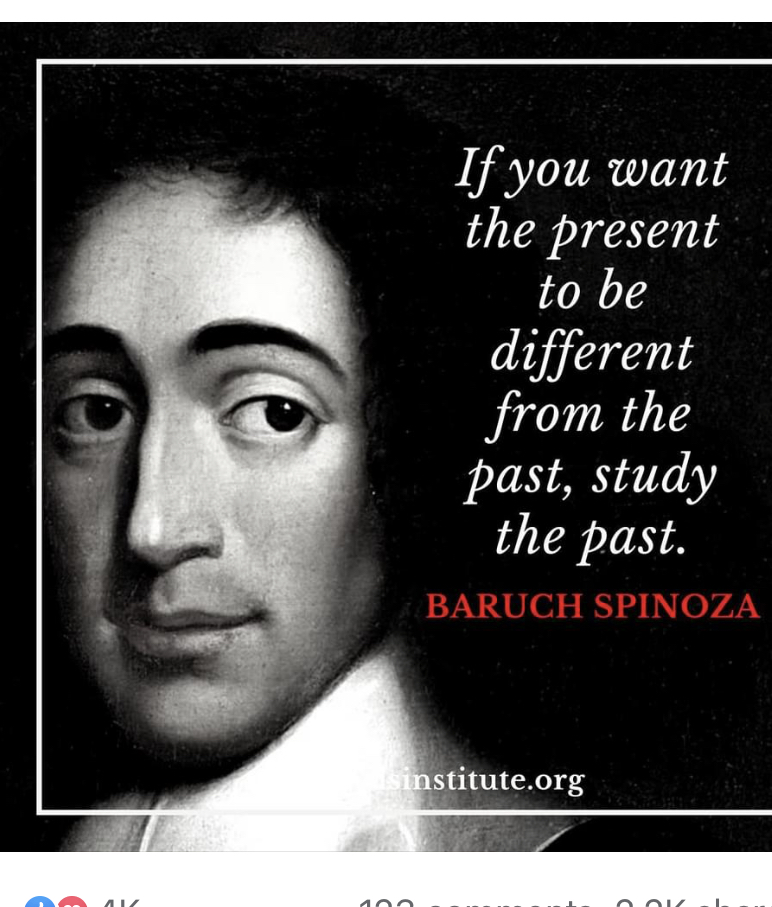
This post is part of an essay from May, 2016.
So what can we make of this 1860 fiasco today, after 2016? If I could attempt a bit of divination I would suggest that the political party that can present the most united front will prevail in the general election. If current Republican candidates continue to employ such wide-ranging, and scorching tones to their rhetoric, and stubbornly defend the innocence of their loose talk, the party may run head long into oblivion, as did the Democrats of 1860. If the roaring factions, currently represented by each GOP aspirant goes too far, the fabric of unity will shred, crippling the Republican’s ability to field serious candidates in the future.
Looking at the past as prelude much is at stake for the unity of the GOP. In 1860 party divisions nearly destroyed the Democrats, propelling the nation into a bloody civil war. And though Republicans at that time elected our greatest Chief Executive, Abraham Lincoln, the Democrats suffered for decades, marginalized as the party of rebellion. And even the best lessons left by the past are still forgotten in the heat of passion, by those who know better. (The Democrats shattered their party unity once again a hundred years later, splintered by the Vietnam War.) This is truly a cautionary tale for today’s turbulent Republican Party.
Zealots do not compromise, and leading GOP candidates are spouting some pretty divisive vitriol. As southern Democrats self righteously rejected their national party 1860, certain it no longer represented them, and ultimately silenced the party of Jefferson and Jackson for decades. The lesson is clear for today’s Republicans. By tolerating demagoguery, extremism, and reckless fear-mongering in their field of contenders, the RNC may indeed face a similar demise.
Though it is true that no party can be all things to all citizens, malignant splinter groups should not run away with the party.
The American public demands measured and thoughtful candidates—and both parties are expected to field candidates of merit and substance.
We deserve leaders worth following.
Gail Chumbley is the author of the two-part memoir, River of January, and River of January: Figure Eight, both on Kindle. Chumbley has written two plays, “Clay” regarding the life of Henry Clay, and “Wolf By The Ears,” a study of racism and slavery.
 Gail Chumbley