Hear Me For My Cause

th


I wish to speak to-day, not as a Massachusetts man, nor as a Northern man, but as an American, and a member of the Senate of the United States. It is fortunate that there is a Senate of the United States; a body not yet moved from its propriety, not lost to a just sense of its own dignity and its own high responsibilities, and a body to which the country looks, with confidence, for wise, moderate, patriotic, and healing counsels. It is not to be denied that we live in the midst of strong agitations, and are surrounded by very considerable dangers to our institutions and our government. The imprisoned winds are let loose.

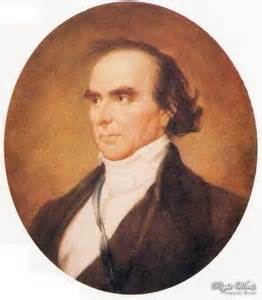
The above words were powerfully delivered by Senator Daniel Webster on the 7th of March, 1850. The occasion concerned the Fugitive Slave Act, a piece of explosive legislation forcing the return of runaway slaves to the South. Webster truly fell on a political sword to keep our nation whole. Notable in his grand eloquence was his specific reverence, and deference to the chamber Webster addressed, the august United States Senate.

I found myself quite uncomfortable viewing the State of the Union on Tuesday night. Each year, this duty is clearly defined for America’s Chief Executive. Article 2, Section 3 of the U.S. Constitution mandates that the President shall . . . give to Congress Information on the of the State of the Union . . . The word is “shall,” not “may.” So it was with personal distress, that we all witnessed such bad behavior from the right side of the aisle.

Beginning with the President’s first State of the Union message in 2009, and the appalling “you lie” heckler, conduct from the opposition has deteriorated. Senator Webster’s expressions of propriety and dignity have been replaced by frat boy behavior, apparently condoned by party leadership. Texting, chatting, applauding inappropriately is, well, just embarrassing to this student of America’s distinctive political legacy.

As a teacher, that blatant disruptive rudeness would have sent you to the hall. And speaking of classrooms, why should any student show respect for any institution when elected role models behave so badly, so publicly. I’ve seen you at 16, you’re the boneheads in the back row, working overtime to shift the attention from the focus of the lesson to your own self important, corrosive conduct. To validate the lowest kind of public behavior is the last example our students need in this divisive era. Demonstrate honorable behavior, show some restraint, if only for the great legislative leaders who served and sacrificed before you. Conduct yourselves with the dignity your office represents.

If, indeed, the majority party aspires to national leadership you must be a party worth following. Last night represented and celebrated the best thinking on the part of our nation’s Framers. This condoned pack mentality to publicly belittle the sitting President, does not serve your future aims.

As the first president, elected in 1860 from your emerging party once stated,  “All members of Congress swear their support to the whole Constitution—to this provision as much as to any other. “

In his 7th of March Speech, Webster explained to his listeners the urgency of his words. The Senator continued,

I speak to preserve the Union.
Hear me for my cause

Gail Chumbley is a retired History educator, and author of River of January. Available on Amazon

September Song

 th

This was our first book talk of the new year. We left the house around noon to travel to a small senior facility with an equally small number of residents. I held low expectations of selling any books, but hoped to brighten up the day for a few folks. We had earlier decided to focus on retirement homes because River of January touches on many events that this elderly generation finds familiar.

Finally securing a couple of extension cords my projector flickered on, illuminating an empty wall, and the power point show began. The nurses aides rolled in some residents in their wheel chairs, where they remained quietly seated for the duration. Two other people wandered in at the same time and began a turf war over the ‘good’ chair. The gentleman didn’t move, nor did he say a word, but he meant to sit in that chair. The woman who demanded that same seat kept insisting that it was HER chair. Watching the showdown, I was reminded of how ornery my kids could get, fighting over preferential seating, either in front of the television, or riding in the car. In this instance, the feisty woman prevailed, and the old guy had to settle for the love seat. Once he settled into the cushions, he promptly fell asleep–for the whole presentation.

Two other fellows seemed to enjoy the pictures and the talk. As images of Helen Hayes and Maurice Chevalier flashed on the wall, I caught both respond with slight nods and faint smiles. Another woman sitting apart, back in the corner appeared very sharp, seeming to deliberately separate herself from the her failing comrades. Perhaps I sympathized with her, hiding in that corner, when our victorious friend from the ‘chair wars’ piped up, “I saw this show on tv!”

When I attempted to engage the group with rhetorical questions, they just stared, eliciting next nothing. And in a brief moment of insight I decided that these  people had given enough in life. I was there to bless their day, perhaps make it better for that short time, than it otherwise might have been. All was as it should be, I was in the right place at the right time.

After I finished the program one of the quiet gentleman from his wheelchair tried to speak. His voice was quite weak with age and poor health. He was difficult to understand. Listening hard, reading his dry lips I made out B-24’s. “You flew B-24’s in the war?” I asked. He nodded and smiled. I took his hand, shook it and said, “Thank you sir for your service.” He whispered a couple more unintelligible words, and I smiled in return.

Time is a demon. For these people, idle hours can feel an insufferable burden. Still, sealed up inside their frail bodies exist dramatic stories, from dramatic lives already lived in full.

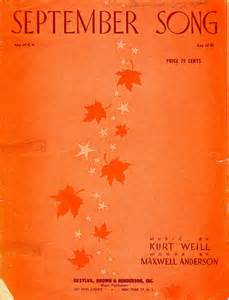
The old standard, September Song captures the beauty and melancholy of those facing a day identical to the day before, until those days run out.

Oh, it’s a long, long while from May to December
But the days grow short when you reach September
When the autumn weather turns the leaves to flame
One hasn’t got time for the waiting game

Oh, the days dwindle down to a precious few
September, November
And these few precious days I’ll spend with you
These precious days I’ll spend with you

I am looking forward to our next retirement home visit in February.

Gail Chumbley is the author of River of January. Visit the website at www.river-of-january.com

At Amazon

West Palm Beach

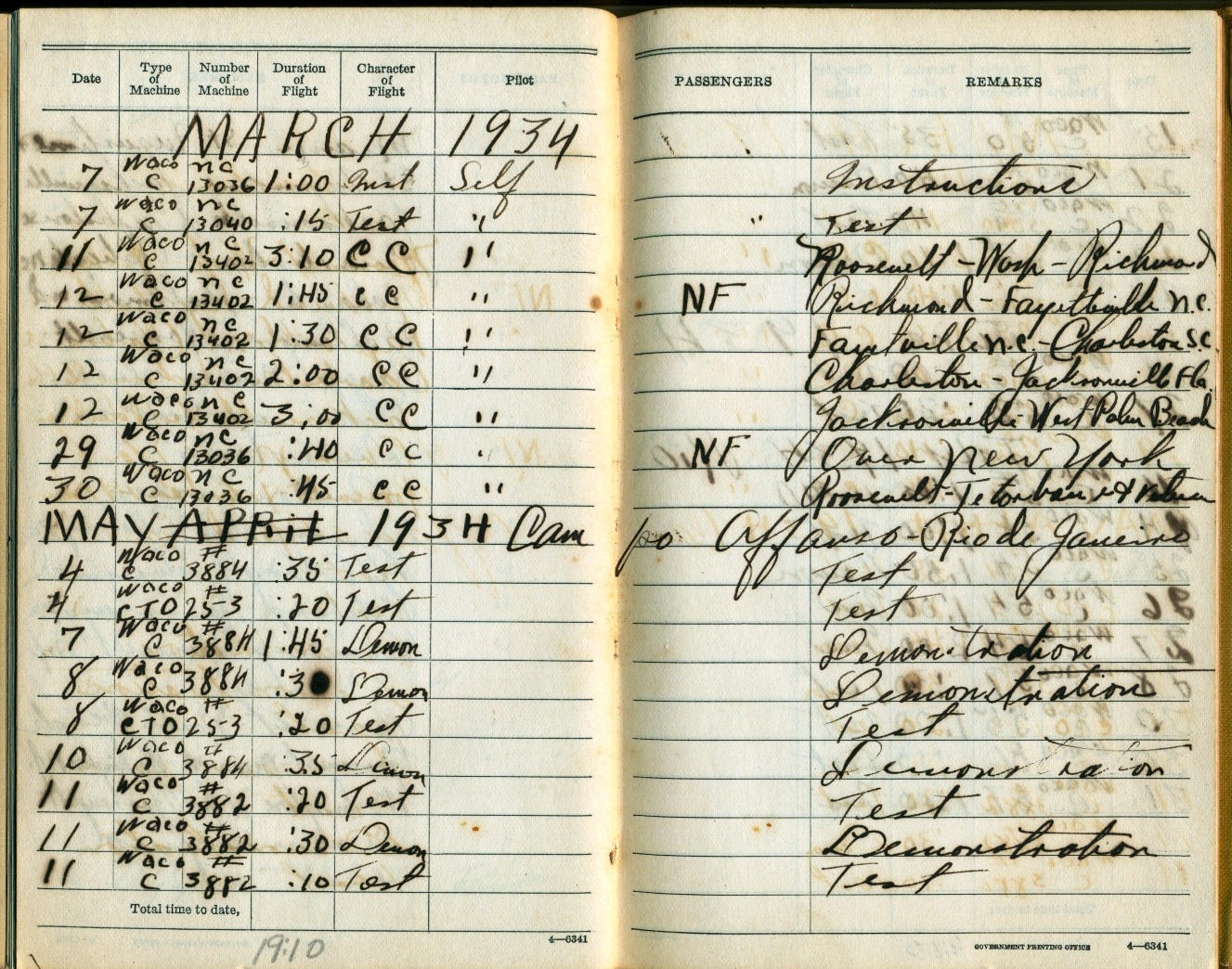
logbook2An excerpt from River of January for your Sunday evening.
At first he told himself that Howard Hughes’ good wages kept him in West Palm Beach. But Chum also knew his curiosity played a big part in remaining at the field. The famous tycoon was already a legend in aviation, as well as in motion pictures, and the young pilot had long admired self-made men. And though he looked forward to his new job, he was just as eager to watch the millionaire up close.
Over the next few weeks, Chum noticed that Hughes followed the same pattern each day. His driver motored up to the hangar in a Cadillac LaSalle, closely shadowed by another large Oldsmobile. The famed pilot stepped from the backseat, unfolding all six foot four inches of him. At same time, an entourage of followers poured out of the second car, casually circling the celebrity.
Chum also noticed that the aviator only spoke to his head mechanic, nodding frequently while he smoked a cigarette. Then Hughes and company inspected the rest of the facility—the tall tycoon facing the ground, continuing to acknowledge his lead man’s comments.
If he looked up, Hughes sometimes nodded to Chum or to the other men in the hangar. Then with this morning ritual finished, Mr. Hughes and his retinue returned to their waiting cars and drove off to other unknown destinations.
On one especially stifling afternoon, Hughes unexpectedly turned up at the steamy buggy hangar, departing from his usual routine. Caught off guard, the crew quickly picked up their tools and bustled around, appearing busy. Hughes seemed not to notice.
Instead the famed pilot looked at his head mechanic and loudly announced, “These gentlemen and I,” pointing to his cohorts, “are leaving for Los Angeles. Since that plane,” Hughes stuck his thumb toward the Waco still on the tarmac, “was used, we will travel by rail.” A few of the boys glanced Chum’s way.
“Yes, sir, don’t worry about a thing here, sir,” the foreman answered. Hughes nodded again, and he and his associates left the field in a caravan of black autos.
“Wonder which beautiful actress Hughes is meeting.” A young grease monkey sighed as he twirled a ratchet around his finger.
“Jean Harlow, you think?” said a kid still staring out the hangar doors.
“My money is on Paulette Goddard,” added another, plunking coins into a soda machine.
“Back to work, boys.” The head mechanic laughed. “We’re not going anywhere.”
Chum smiled. Just the phrase, “back to work,” began to amuse him. As far as he could see the commotion was all “make work” instead of real industry. He was becoming restless from boredom.
After Hughes’ dramatic exit, the crew mostly loitered around the hangar, sweating in the muggy heat—listening to the radio, smoking, sipping cokes, and playing cribbage. After a week of this meaningless inactivity, the young pilot, staring blankly into an immaculate engine, abruptly resolved, “As soon as I’m paid, I’m gone.”
Three monotonous days later, Hughes and his party surprisingly reappeared at the field. The aviator had apparently changed his plans at the rail switching station in Jacksonville and never turned west. Still, Hughes’ return made no noticeable impact, and the days continued to drag on: Cokes, cigarettes, cribbage, and heat.
While he was perched on a ladder examining another pristine Lycoming engine, Chum heard his name from across the facility.
“Over here,” Chum called back, “Up on the ladder.”
“Telephone call, buddy,” a mechanic hollered. “In the hangar office.”
“Thanks, JJ,” he yelled, climbing down.
The voice on the line hollered, “Chum? That you, sport?”
Chum paused, trying to place the echoing but familiar voice. “It’s me, boy, Hugh Perry.”
Recognition lit Chum’s eyes,
“Hey Mr. Perry, good to hear your voice. How are things up north?” Perry worked as the executive of sales for Waco Aircraft in Troy, Ohio, the company that manufactured his airplane.
“Well, now, I’m real good Chum, and business is pretty good. In fact, that’s what I’m calling about.”
Chum felt his pulse quicken. “What can I do for you sir?”
“You know, you did so damn good in that race and, well, would you be interested in working for us, Chum?”
Feeling his spirits begin to soar, Chum had to ask, “What would the job entail, Mr. Perry? Would you want me in Troy?”
“No, no, wouldn’t do that to you, Chum, Troy is no place for a dapper gent like you,” Perry chuckled. “We have this new model and there is some interest for it in South America. Smiling, Chum sensed the skies were opening and the archangels were tuning up a hallelujah chorus.
“That sounds real attractive, Mr. Perry. I think I would be interested in a job like that,” even his voice smiled.
“And here I thought you would be all star-struck, slumming it with Howard Hughes,” Perry laughed. “But when this position came up, your name was the first to come to mind. I thought I would give you first refusal.”
“I’m glad you did Mr. Perry, and your timing is pretty good, I was thinking about a change anyway. Guess I miss my Waco,” Chum laughed. But before hanging up, the young pilot suddenly wondered, “Mr. Perry, what equipment are the South Americans interested in?”
“Keeping up with our new aircraft are you, kid?” Perry sounded pleased.
“I guess I have, sir.”
“Well, the Brazilians are very eager about a new fighter plane we’ve developed.”
“A fighter?” Chum repeated, baffled.
“I know, I know—don’t understand what they would need it for either.”
Chum quieted in thought, wondering who could possibly threaten Brazil. “You still there, kid?”
“Yeah, Mr. Perry, I’m here. Just strange to imagine any South American trouble that would require machine gun strafing.”
Shaking off that concern, Chum again became enthused. “You shipping the demo model to Roosevelt Field?”
“At the moment the plane’s with the Navy. They want to test it, too,” Perry explained. “Our agreement was three months for those flyboys to check it out. We’ll ship it down to Rio de Janeiro after the military is done with it.”
Chum hung up the office telephone, and stood motionless, absorbing this implausible change of fortune. Chum slowly walked out of the office, stopping to appraise the entire, immense working space.
Mechanics continued to poke around the equipment, the lead man in the far corner looked over a clipboard, a cigarette, ash dangerously angled, wedged between his right hand fingers. Silently, the young pilot made his decision and headed out the open hangar door, leaving behind Ailor’s Waco Cabin, still parked to the side of the facility, and away from Howard Hughes and his West Palm interests. With a sense of elation, he cheerfully hiked the three miles to his hotel, collected his belongings, and caught a taxi to the train depot.
Restored, and back in control for the first time since the air race, Chum looked forward to returning to New York.

Gail Chumbley is the author of River of January. The book is available at www.river-of-january and on Amazon.com


 

Buzzing the Train

cockpit0001

Friday excerpt from River of January.
She found a berth facing a woman and her child. Unable to generate a polite smile, she looked out the window. Chum stood below on the platform wearing the same gloomy expression.
Throwing aside her decorum, Helen passionately placed her right hand onto the window. He responded to her gesture with a sad smile, and raised his palm on the opposite side. They both continued to press the window, even after the train shuttered forward. Chum jogged a few steps, gradually pacing to a stop. Helen dissolved into grief. The lady in the opposite seat quickly produced some chocolates and oranges, distracting her gawking son with the snack.
After nearly two hours of bumpy travel, a puffy-eyed Helen was abruptly jolted awake. She looked around, momentarily disoriented. Then she and the other riders detected a distinct whining, mechanical, hum rising above the din of the train’s thundering locomotive.
Alarm spread, passengers in the car raising a panicked chatter. Shouting at once, the riders moved chaotically about the train car, most rushing to the windows. At the same time a porter burst into the car, rushing down the aisle, shouting in both Spanish and English, “Please return to your seats. All is well; nothing is awry with the equipment. Please calm yourselves and quickly sit down!”
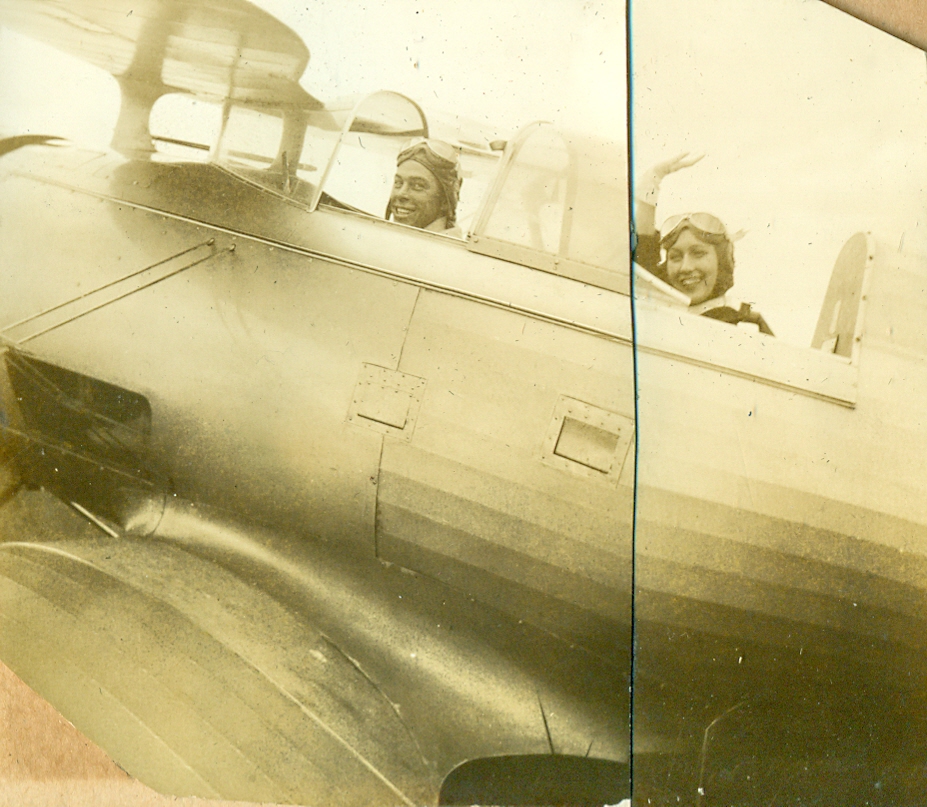
Frightened, Helen searched out her own window looking for smoke or worse, fire streaking past the glass. Instead, a deep sense of wonder spread through her being, replacing any fear of danger. She caught sight of a lone Waco Cabin biplane soaring above the trees and power lines parallel to the speeding train. Both of her hands now caressed the window, as an enchanted smile lit her surprised face. Then, as though he knew she was watching, the pilot waggled his wings in hello, soon pulling up, gaining altitude, and then Chum looped back toward Rio. Helen, her heart full, sat back, marveling at the power of her cascading emotions.

Gail Chumbley is the author of River of January

www.river-of-january.com

on Amazon http://www.amazon.com/River-January-Gail-Chumbley-ebook/dp/B00N1ZLWZI/ref=sr_1_1?ie=UTF8&qid=1420826936&sr=8-1&keywords=river+of+january

The Power of Wonder

I needed to read this today. I’m back to piecing and fitting evidence for book two.

gail chumbley's avatarGail Chumbley

Image

This morning we jumped out of bed at o-stupid thirty for a book talk in town. It was for a Rotary Club’s weekly sunrise breakfast gathering. The meeting quickly came to order, beginning with the Pledge, a brief prayer and a Rotary song. Then the agenda moved quickly to business.

These people seem to pursue all sorts of public service endeavors: literacy programs, charity work, and supporting community health projects. It was quite impressive to think that these folks could have stayed in bed an hour longer, and not involve themselves in public service, but they choose otherwise to make a difference.

When my slot came up in the program, my husband pressed the power button on the projector, and the show kicked off with alacrity. You see, I love not only talking about the book, River of January, but the process behind the writing, as well. On this occasion…

View original post 380 more words

The Laundry Room

th

Initially this post was supposed to discuss what a slob I’ve become since I began writing. I planned on stressing how my story, told in River of January has consumed my days and has trumped any other daily concern–in particular bothering to cook meals or even getting dressed each morning. Then I happened to catch Tina Fey in an interview on Inside the Actors Studio. I like Tina Fey. She reveals her honest opinions with no airs or pretense, openly laughing at her own shortcomings. This particular episode was clearly a rerun, with James Lipton discussing and sharing a clip from her newest film “Admission,” released back in 2013.

This taped exchange between Lipton and Fey eventually transitioned from her many successes on the big and small screens to authoring her first book, Miss Bossy Pants. She confessed that the writing process was surprisingly more difficult and caused her more discomfort than any screen play. Fey shared that she found time to work on the book during breaks on 30 Rock, and in spare moments on various movie sets. While at home, her husband tended their children while she hid in her laundry room to continue her manuscript. And Fey further admitted that publishing Bossy Pants left her profoundly vulnerable and solitary. She said, and I quote, “You really put yourself out there.”

This accomplished, brilliant writer-comedian used her laundry room for writing, and felt vulnerable about her work! Now, I certainly don’t pretend that I anything near her immense talent, but I, too, wrote a lot of River of January in my laundry room! Tina Fey and I both wrote books in our laundry rooms! In my case I busted out my laptop on that cluttered floor because our washer’s timing mechanism was on the fritz. I had to keep a constant vigil so the machine would finish a full cycle. Easily I passed a good two to three hours a session, leaning against the litter box, as the churning rotation of the washer and dryer rendered that little space the best spot in the house to concentrate.

Writing a book is hard, and has frequently forced me to reassess my value as a person. I believed real writers, like Tina Fey, sat behind elegant desks; keyboards illuminated by brass halogen lamps, genteel mugs of hot tea within reach, assistants scurrying in and out of the room conveying edited sheets of type to publishers. That scenario bears no resemblance to this middle aged woman, clad in flannel shirts and sweat pants, continually switching off the pause button on a faulty washing machine.

The most reassuring part of that TV interview was how anxious Fey felt over her book’s public reception, saying something to the effect of how she girded herself for literary failure. Again, another bingo. I’d like to count my writing meltdowns, and vows to never write again, but I only have so many toes and fingers. Any remarks readers have written or spoken regarding my book, River, is indelibly carved into my psyche–forever.

So the truth remains that my writing is mine alone. The words generated, the story those words tell, are between me and my computer. Still, aside from that solitary angle, plus the risk and intimidation in publishing River, I somehow feel less alone. Oh, that washing machine is now working fine.

Gail Chumbley is the author of River of January, available on Kindle.

Visit www.river-of-january.com


The Crazy Gang

IMG_0340HPalladium0001

Excerpt from River of January

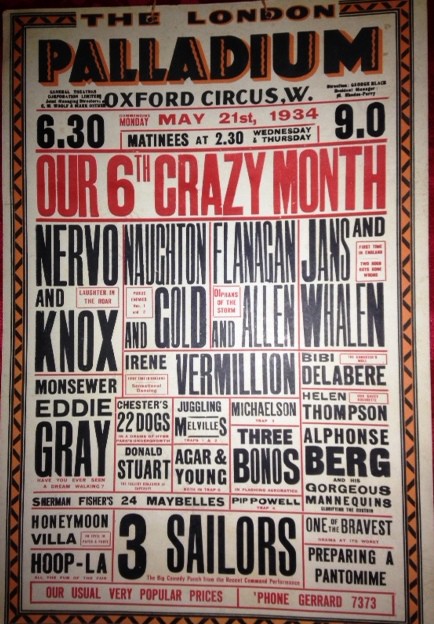
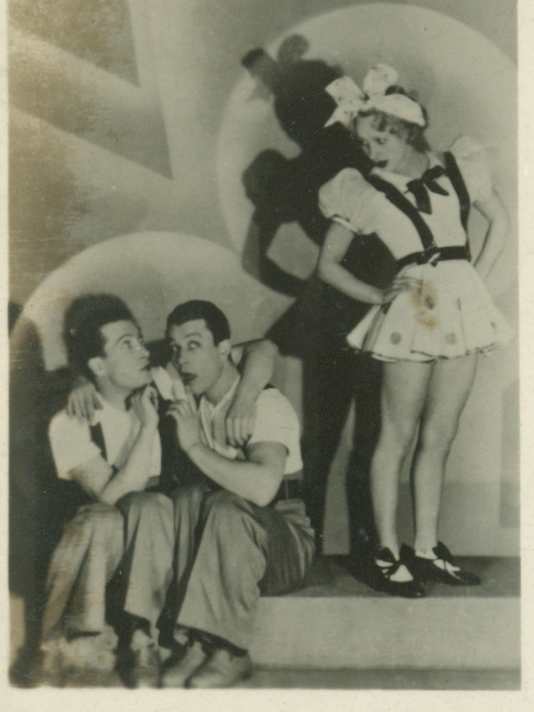
. . . “We made our first trip to the Palladium, they lettered my name on the billboard “Helen Thompson, Our Saucy Soubrette” whatever that means. I thought it was cute. Anyhow, we entered the theater through the back entrance and met a lot of the cast. Such nice people, too. They told us that “The Crazy Show,” that’s what they call it, has been coming back to the Palladium for years. This group of comedians is known, together, as the “Crazy Gang” and made us feel very welcome. They explained that the same crowds return each season to see their old friends in the show. We felt pretty excited opening night when Jans and Whalen took the stage after the all-cast extravaganza and began their routine. Harry Jans told the one about the soldier who had survived mustard gas and pepper spray becoming a seasoned veteran. No one laughed. The audience hated them. No one booed, and they clapped a little when Jans played and sang, “Miss Porkington Would Like Creampuffs.” Remember that silly song? Other than that polite response, not a snicker sounded in the whole house. Then I went on stage and performed a widow comedy monologue; black gown, the whole bit, and I bombed too. With all those spotlights trained on me, if it hadn’t been for the coughing and murmuring I would have thought the theater empty. It was horrible— nauseating— I couldn’t believe how miserably we failed. WE LAID AN EGG!

After the show some of the regulars took us out for drinks. I wanted to run back to the hotel and hide. They led us to a nice pub, but I felt so shook up I could hardly light my cigarette. They explained that English audiences often don’t understand American humor. In particular, my widow act seemed more offensive than funny. “Too many widows after the Great War,” one comedian named Eddie Gray told me. “Not funny to families with loved ones who died in the trenches.”

River of January is available at www.river-of-january.com or at Amazon.com

The Working End of Tomorrow

815528365b25248630140a659ad44ffa


“A politician looks forward to the next election cycle, while a statesman looks forward to the next generation.” This admirable sentiment has been attributed to a number of speakers including Thomas Jefferson and the 19th Century Reverend James Freeman Clarke. But I heard the quote attached to President Gerald Ford. Whoever uttered these words has my full endorsement.

This morning began well. I awoke from a dream-filled sleep of taking roll, presenting lessons, and interacting with my students. They were all mixed up, hailing from a multitude of graduating classes, but still they were all my kids. I knew them well. In point of fact, most of my nights pass in a flowing narrative of teacher dreams, and I’ve gotten fairly used to this regular occurrence. The joke since retiring is, “I work so hard at night I should still be on the payroll.”

At any rate, after waking up, my mood remained jovial, still dialed in to happy. Tapping on my iPhone a picture appeared of a former student, now in a military uniform singing with three other soldiers. He and his brothers-in-arms were performing a rendition of the National Anthem at a public event. In another post a young lady, newly attending college revealed her fears about losing interest in reading for pleasure—a concern she happily resolved by opening a new book. Scrolling down the wall a bit, a wonderful family picture appeared of one of the kindest student’s I’ve had the pleasure to know. She posed before a Christmas tree with her three little boys, the youngest only two months old. Her husband’s caption clearly revealed his love for her and his boys. These posts are just, well, just so cool!

Not all teaching reminders and memories are as bright as those that I experienced this morning. Still, I wouldn’t have missed my time with these young people for a king’s ransom. Magic occurred in those classrooms; pure joy a guaranteed bi-product of the learning process.

I discovered over the years, that basic to the art of teaching and learning, is a faith in the future, a tangible something waiting ahead for every individual—a realized dream. All the hours of classroom preparation devoted to listening and thinking skills, observation, and problem-solving, were simply a training ground for young people to eventually find their place in the larger world.

While grappling with today’s incessant demands, it is far too easy to gloss over thoughts of the future. Caught up in the crowded moments that make up the present, many lose sight of the certainty of tomorrow. Teachers, however, are not permitted the luxury of settling in the moment. We must skip ahead of the “now,” planning and adjusting, then planning further. Intrinsic to our professional calling is the absolute assurance of a looming future, and we have to get our kids ready.

Perhaps stake holders could gain some perspective by casting aside trivial, momentary agendas—the noisy culture wars taking place across media battlegrounds, jousting in never ending finger pointing. Those distractions impede the progress available to our students, who are rapidly passing through the system. These kids are here today and gone tomorrow, quite literally.

When I assessed my students in class, I often envisioned them as adults, figuring out their individual niche. With that objective as my guide, I tried to design the best methods available to reach practical benchmarks. Even so, in the end, I had to let each class move on, a natural continuation forward to meet their futures, hopefully carrying my small contribution. An act of faith.

With our eyes vigilantly fixed on the countless tomorrows yet to come, would teachers be considered President Ford’s definition of statesmen? I’d like to think so.

Gail Chumbley is a retired educator and author of River of January. Also available on Kindle. Watch for “River of January: Figure Eight” this Fall.

Amelia Earhart?

One of the more satisfying moments researching “River of January.”

gail chumbley's avatarGail Chumbley

Image

Piecing this story together didn’t come easily.  Though I have had the benefit of volumes of letters, telegrams, and pictures, among other sources, I still have struggled to get the story right.  The picture posted today provides an example of the most exciting finds I’ve made, but still shrouded with some doubt.

The girl in the center, in front of the Waco airplane, is Francis Marsalis Harrell.  From Chum’s thick scrapbook and an interview I conducted with him, I know her to have been his girlfriend.  They dated for a about a year after he left the Navy, and I believe he cared deeply for this young lady.  What brought me to that conclusion was piecework and conjecture.  First, during my interview sessions with Chum he lightly mentioned that his girlfriend used to time his trips into Manhattan from Long Island, but only when he drove female flight students into…

View original post 296 more words

A Mouse In My House

gail chumbley's avatarGail Chumbley

Image

I could hear a mouse under the bed. Crisp little maneuvers, poking around the books and pictures stored down there. Now, I am not afraid of mice, that’s more of a snake issue, but still, this little varmint rooting around wasn’t exactly relaxing.

I woke my husband, and he didn’t complain or resent my waking him so late. He doesn’t like home invasions any more than I do. Instead he hopped up and found a mouse trap on the porch, slapped peanut butter on the trip latch, then just as promptly hopped back into bed and fell asleep.

Now, sleep wasn’t so easy for this girl–conking out after such a creepy discovery. I rolled to my side listening as that little critter resumed his inventory of my stuff.  My stomach tensed some, waiting for the steel of death to suddenly snap. It might as well have been a grenade with…

View original post 303 more words