American Expatriates and Celebrities

In the long history of the world, only a few generations have been granted the role of defending freedom in its hour of maximum danger. I do not shrink from this responsibility–I welcome it.  John F Kennedy, 1961

To American expatriates abroad and celebrities remaining at home,

Armed with your fame and recognizable voice all of you hold a public leadership role whether you choose to have one or not. Brave, out-spoken spokesmen for Democracy are a bit short on the ground and America needs her sons and daughters to rise up in defense. 

No one runs us out of our home.

This is not a normal time, nothing about this administration is normal and leaving the country or remaining silent sends a message of throwing in the towel. You are abandoning the rest of us to hold the frontlines the best we can, but your face and words are needed. Too many in the press, in politics, and in the sports world are caving to accept this unacceptable lout out of fear or resignation. That behavior must end.

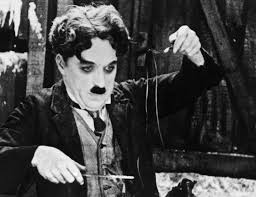
Charlie Chaplin, Adolph Zukor, and Douglas Fairbanks Jr  sold war bonds during the First World War, Gable and Stewart enlisted in the service to fight Nazi tyranny. Carole Lombard lost her life in a plane crash after raising $2 million dollars for the war effort. You owe it to Dalton Trumbo, Ring Lardner and those of The Hollywood Ten who stood fast for freedom when caught in the fear of America’s Red Scare. Lena Horne, Pete Seeger and Zero Mostel, among others, faced blacklisting through the perilous period of McCarthyism. This is exactly the same ‘once in a generation’ moment testing our commitment to our democratic principles.

Leaving the country or remaining silent sends the terrible message of surrender. And leaving is selfish. Giving up on resistance essentially says to hell with the United States. This is the time when we need you most to stand tall. Liz Cheney hasn’t cut and run, nor has Adam Kinzinger. And he hates them the most because they know he’s an absurd phony. They also know they will never give up on America and neither should you. 

Now that is a valiant example of patriotism. We can do no less.

Those of the future are depending on all of us to make this perilous moment right and to pass on an unsoiled America for generations to come. Moreover, our posterity will learn who stood fast in this momentary struggle for liberty and those who abandoned America in its time of need.

This is merely one chapter in the story of America and we are still a young nation. The United States is founded upon the will of the people and this administration is not your will or mine. Today’s corrupt collaborators who have prostituted our republic for momentary gain will fall by the wayside. These sycophants will share this wannabe dictator’s fate.

And that petty bag of stupid will fail, it is in his DNA. That’s what he’s always done. And there will be a lot of rebuilding ahead of us and your encouraging presence will be critical. No one runs us out of our country, nor do we forsake our duty in time of America’s need. We are not a servile people and do not bow down to anyone. Our rights according to Mr. Jefferson are derived by our Creator, and no one man can take them away. 

America has come so far in realizing A More Perfect Union. The expansion of the vote, black males, women, white and black, Native Americans, and for 18-year-olds. Other gains include people with disabilities, women in the military, reproductive rights, marriage equality, and the election of America’s first black President. And all of us at home have witnessed much of this affirming progress.

So come home, we really need you in our time of peril. We need your voice, your humor, music and the public demonstration of your persistence. That goes for the rest of you with a public profile. You are still here, and we need you to step up. Do not be afraid. Stand fast and speak truth to power.

Be loud. 

Gail Chumbley is the author of the two part memoir River of January, and River of January: Figure Eight. She has also authored three stage plays, Clay, Wolf By The Ears, and Peer Review. Chumbley is the co-writer of Dancing On Air a screenplay based on her River books.

Lost Their Way

In spite of fascist aggression in Europe the Republican Party of the 1930’s opposed foreign intervention even in the face of world war.

Staunchly isolationist, Republican members of Congress, particularly Senators William Borah of Idaho and Arthur Vandenberg of Michigan, carefully crafted legislation to block aid to democracies under Nazi threat. When World War Two did erupt in 1939 and blitzkrieg shrouded Europe isolationists refused to act. While England stood alone and fearfully vulnerable Franklin Roosevelt sent Churchill what he legally could, but certainly not enough.

Not until December, 1941 did Congress approve a declaration of war, however, not against Germany. The warlords of Japan had launched a direct air assault upon US bases on the island of Oahu, and only then did America rise to the moment.

Ironically, one week after Pearl Harbor it was Hitler who declared war against the US, and that freed FDR to channel significant aid to Great Britain, and to new ally, the Soviet Union.

Four long years of bloody trial and sacrifice finally ceased with the detonation of the Fat Man Bomb over Nagasaki. Hitler was dead, Mussolini was dead, and the Japanese islands quelled.

The war years left in its wake massive changes reshaping America. In point, no group emerged more transformed than the Republican Party. The postwar GOP fully embraced internationalism, no longer obstructing foreign aid, either military or humanitarian.

A fateful change in the aftermath of war was America’s important wartime alliance with the Soviet Union. In an ominous move Josef Stalin did not, and would not withdraw his Red Army dominating Eastern Europe. Any hope of a peaceful postwar world quickly faded. A paranoid despot, Stalin flatly refused aid from the United States for Russia and Eastern Europe, though the entire region had been shattered.

In place of the alliance a perilous atomic arms race, a Cold War, commenced between the two nations.

However, this time around a bipartisan Congress took action.

When Russian expansion threatened Greece and Turkey, President Truman quickly dispatched money and matériels, as did later President Eisenhower, who extended US support to Southeast Asia, and the Middle East.

In Congress no group took the fight against Russian aggression more seriously than the Grand Old Party. Chastened Republicans had learned well the lessons of prewar isolation and stepped up aggressively to check Soviet expansion around the globe.

Influenced by Secretary of State John Foster Dulles, and red baiter, Senator Joe McCarthy, the Republican Party pursued a dogged response to Russian aggression at home and around the globe. Risking a nuclear showdown America went toe to toe with the Soviets from the 1948 Berlin Airlift to Korea, to Vietnam.

American presidents and leaders in Congress kept up the pressure until Presidents Ronald Reagan and George HW Bush aided the 1989 fall of Russian and Eastern European Communism, ending the Cold War.

Through all of these episodes and so many others, the GOP stood tall in the fight against all foreign foes threatening the United States.

Where once Dwight Eisenhower faced down the Russians, and Nixon defended America directly with Beijing and the Kremlin, Republicans now kneel before a man who, in Helsinki, privately had unrecorded talks with the current despot of Russia, and publicly took sides with Putin at the cost of American security. Moreover, this same man, a grifter, attempted to extort Ukraine’s new President, Volodymyr Zelenskyy in order to smear his own stateside political rival. After the end of his first term the freeloader stole thousands of sensitive intelligence documents from Washington, wedging American secrets among toilet paper, plungers, and plumbing fixtures.

It’s a bit of a gob smack that older hands, men who lived through the Cold War years, Senators Mitch McConnell, Lindsay Graham and Chuck Grassley, among others, excuse and downplay 47’s outrageous, dangerous, and treasonous conduct.

So it’s easy to understand mainstream America’s distress over today’s Republican stances. (Especially Putin’s aggression into the Crimea and the war in Ukraine.)

Welcomed by the GOP, cyber interference from Russia continues to spread misinformation to undermine our elective democratic process. This party and its messiah has opened the inner sanctum of national security inviting thugs into the Capitol, and outsiders to destabilize the United States.

Where once Republicans defended America from all foreign threats they are today passively holding open the door. The party of Eisenhower and Reagan is filled with cold opportunists coddling an overgrown toddler with neofascist leanings.

The Kremlin has not changed, nor have the Chinese. And though symbolized by an elephant this Republican Party has clearly forgotten who they are.

They have lost their way.

Gail Chumbley is the author of River of January, and River of January: Figure Eight. Chumbley has also penned two historical plays, Clay and Wolf By The Ears. A third play, Peer Review.

The Almost Cable Guy

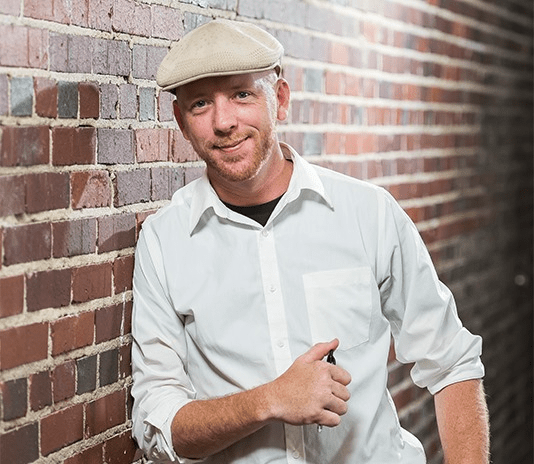
Some of you may know that we signed a film option a while back with Falls Park Entertainment in South Carolina. Brett Kanea, the executive producer, read our script, “Dancing On Air,” then my two books that inspired “Dancing.” Brett found it original and exciting and anticipated producing a successful film. Unexpectedly dear Brett died before any filming began. As you can see he from this pic, he was too young to leave us, and our hearts go out to his family and loved ones. 
The morning he first called to discuss the property I thought he was the cable guy expected later that morning. We laughed about that snafu for months after. 
Though our future in film is unclear, Brett’s warmth, humor, and confidence lingers on. 
Godspeed Brett, the almost cable guy.

Gail Chumbley is the author of the two-part memoir, “River of January,” and “River of January: Figure Eight.” Both are available on Kindle.

gailchumbley@gmail.com


History and a Rollicking Romance

A nice review is a welcome gift for any writer. John Vogel of Preserve Old Broadway graciously published this piece today.

We were supposed to start our exploration of The Vagabond King today. It is a wonderful operetta that is based on the life of Francois Villon, a French poet who allegedly rallied the people of Paris to defend the city against the attack of the Duke of Burgundy. In saving the city, Villon also preserved the monarchy in France, in the person of Louis XI.

My plan has been interrupted by an interesting turn of events. I have just finished reading two books, River of January, Part One, and River of January, Figure Eight. If you love history and a rollicking good romance, you need to read these two books, written by Gail Olson Chumbley.

But well you may ask, how did I come to know about these books and its author?

Shortly after I started posting comments and music on this FB page, I noticed a new visitor to the page, Gail Olson Chumbley. I looked her up and found out that she was an award-winning teacher at Eagle High School, Toppenish, Washington before she retired. She met her second husband, Chad Chumbley, in 1994, and Chad regaled her with stories about his parents, Chum and Helen Chumbley. Eventually, Gail, the history teacher, became curious and dug through boxes of old correspondence and pictures and finally interviewed Chum before his death in 2006. What she found was even more impressive than Chad’s stories, because the lives of Montgomery (“Chum”) Chumbley and Helen Thompson Chumbley were intertwined with key events in American history from 1925 to 1955.

Not ever having written a book before, Gail started the arduous task of translating dead archives back into living human beings. This daunting task was made easier because of her two love affairs: she loved Chum and Helen and she loved their son, Chad. Her writing was a labor of love.

I promised I would read her books one day, but my schedule was busy and “one day” kept moving to the right. Gail ended my procrastination by mailing me both books; and at night before I went to sleep, I would read through 30 or 40 pages. Gail didn’t start to write until she wrote these two splendid books, but what comes through is a historian’s love for detail and context. Gail gives the reader both the overview of history (the big picture) and the personal details of the two people she follows. We follow both Chum and Helen separately until 1936, when they met in Rio de Janeiro and fell in love.

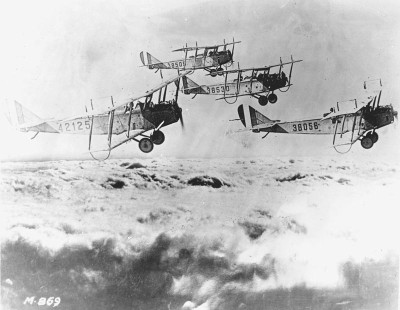
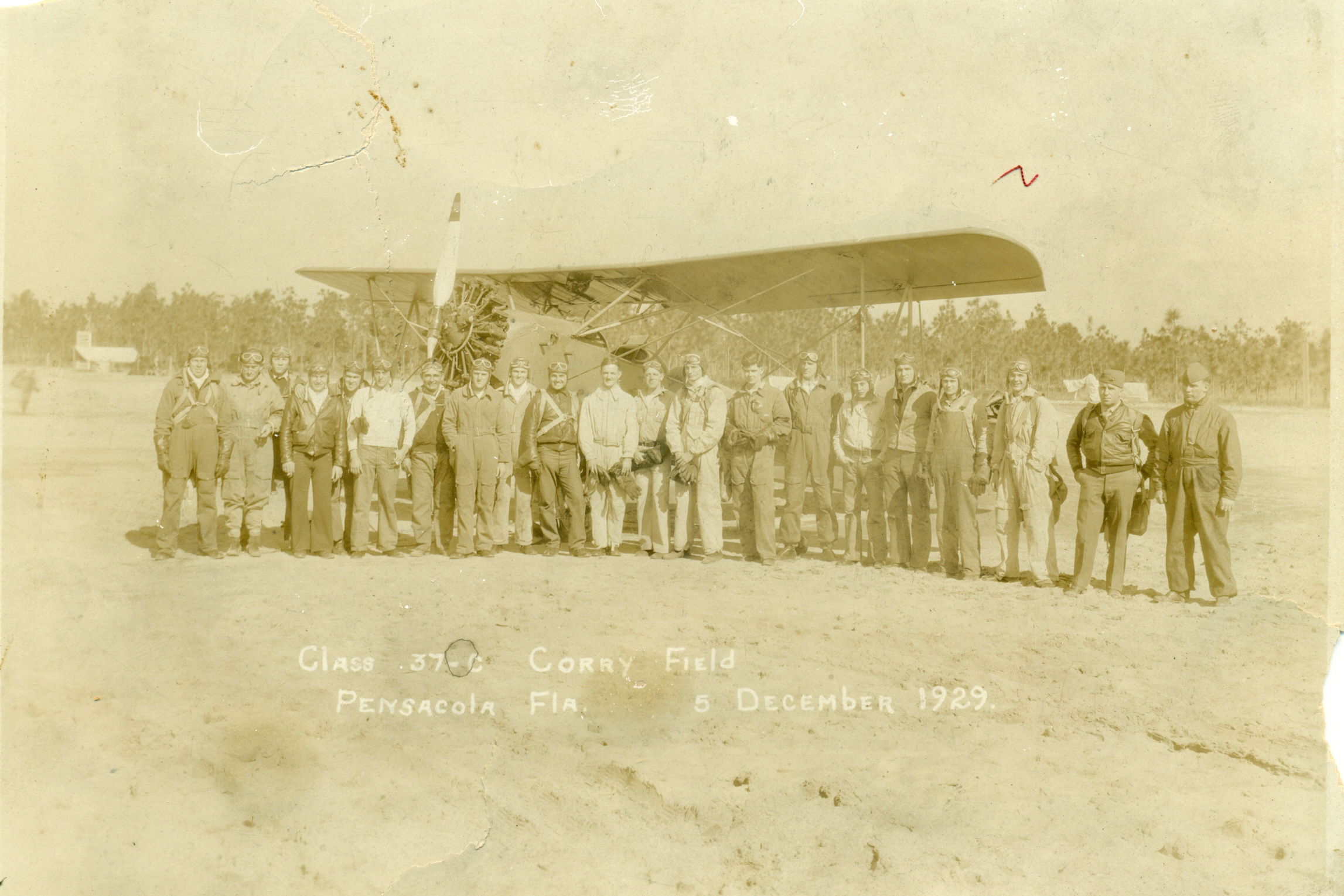
Chum enlisted in the Navy and eventually won a spot in Flight Training in Pensacola, FL. He stayed in the Naval Reserves, even after he left active duty, and began a career that revolved around Waco Aircraft, an early pioneer in aircraft design and manufacturing. Chum was one of the few early aviators who came after WWI but was ready to serve once WWII came into focus. He was one of a handful of pilots who started in planes made of wood and ended in the jet age.

Another pilot, who trained at the Army base at Brooks Field, Texas, was Alexis Klotz. Lex also was involved in delivering the mail, although Lex started on the West Coast. Lex ended his career with TWA and offered to show me around the cockpit of the new Constellation when they went into service. Flying the mail from west to east in the winter was hazardous, and many good but not great mail pilots went down in bad weather. In winter, forced landings almost always resulted in death.

When Chum and Lex flew airplanes, the cockpits were open (it got cold at higher altitudes), and the planes had little if any navigation or communication equipment. Many pilots learned the ground terrain, the railroad tracks and other identifying ground markers to guide them during their many hours in the air. Flying was more art than science.

One the other hand, as Gail explains to us, these pilots loved to fly and may have been more comfortable in the air than on the ground.

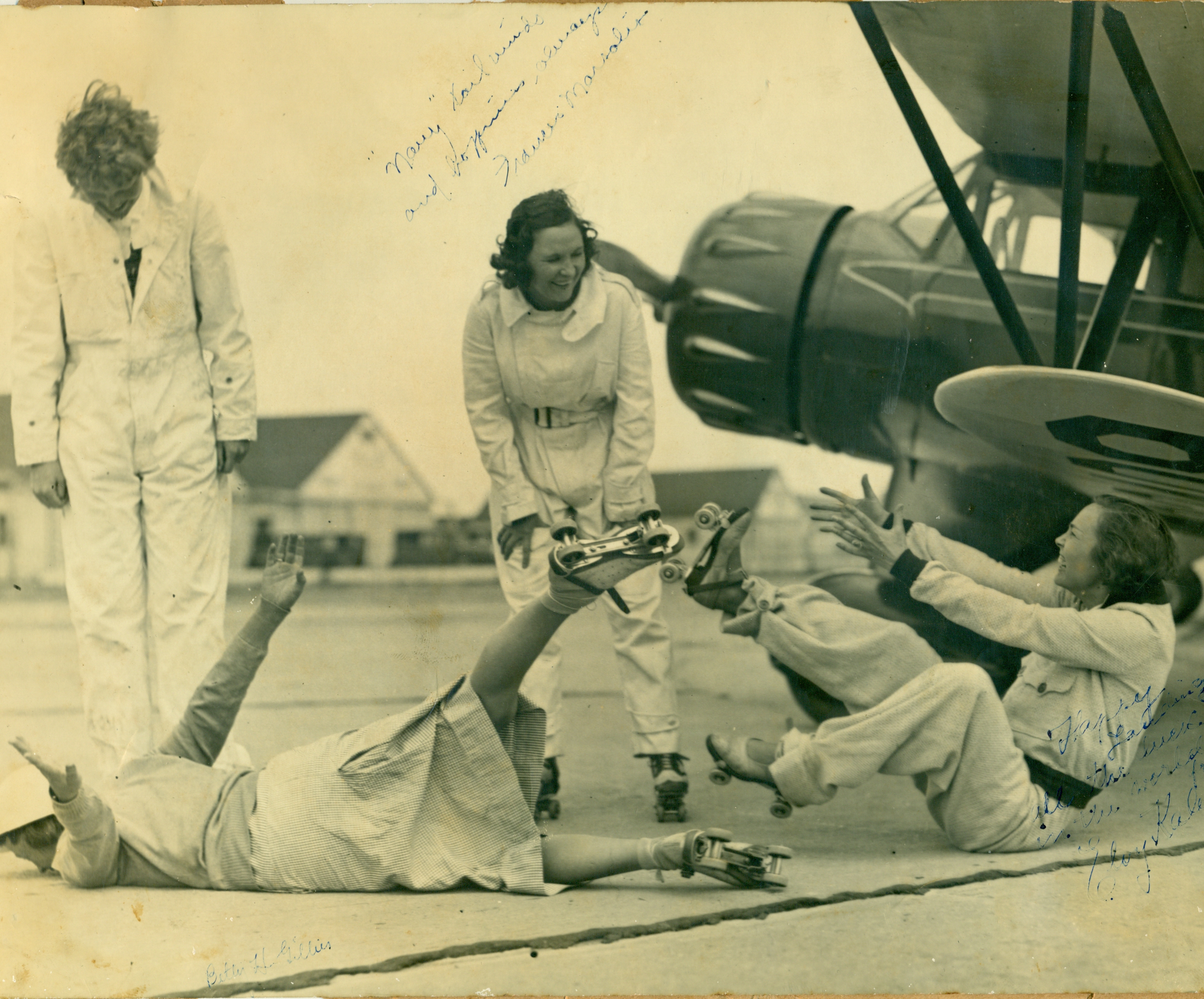
But that is only half of the story. The other half of the story involves Helen Thompson who, from an early age, was pushed by her mother, Bertha, into dance. Luckily, Helen learned to love to dance and to perform, in general. From ballet, Helen moved into vaudeville routines and eventually ice skating with skating stars like Sonja Henie. 

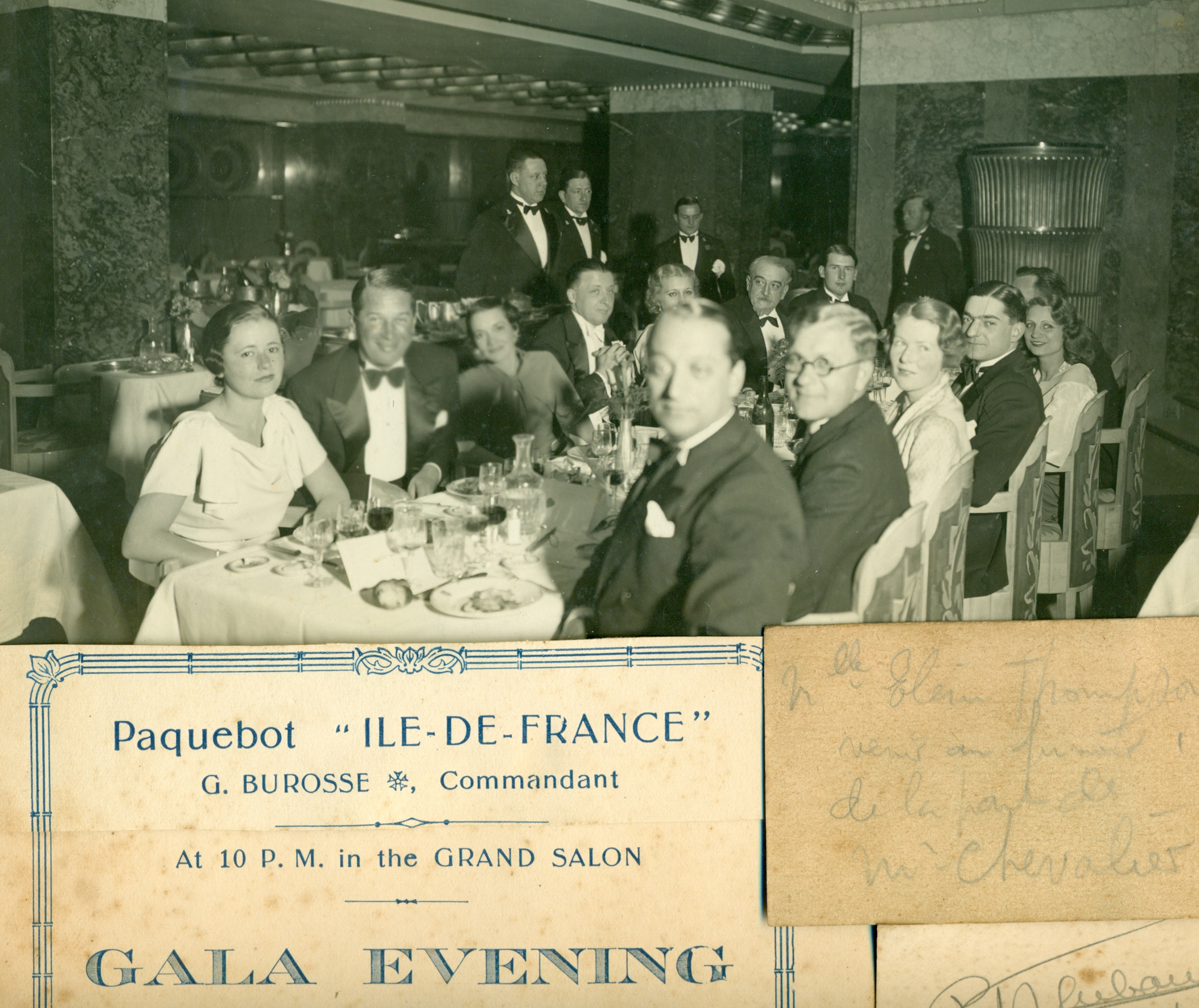
But Helen’s career is only part of her story. At each turn in her career, she met famous people and witnessed key events. Coming home from a European tour, Helen performed onboard at the Captain’s request, alongside another performer named Maurice Chevalier. What was more important was the fact that both performers sat at the Captain’s table. Helen dined with the former President of France, Edward Herriot, on his way to Washington DC to confer with FDR in the mid-1930’s.

It is this constant integration of the big picture of history (Chevalier jokingly asking Herriot if he could save the world from Hitler) with the details of Helen’s dance program that make the two books so charming and engaging. We are reading history from the bottom up, living through periods of time through the eyes of Chum and Helen. And it is a wonderful way to learn and was used successfully by Kenneth Roberts in his many books on the American revolution.

For all of you history buffs who like a good romance story, put away David McCullough for a bit and pick up River of January, Part One, and River of January, Figure Eight.

For more from John Vogel visit Preserve Old Broadway on Facebook.

Gail’s books are available at http://www.river-of-january.com, and on Kindle.

gailchumbley@gmail.com

Hampton Roads, 1928

This excerpt comes from River of January, the first volume of the two-volume memoir available on Kindle, and at http://www.river-of-january.com

Two weeks later, a nervous and sleep-deprived Mont Chumbley reported for flight elimination exercises. He joined 125 other candidates; smartly lined up on a long dock, facing the gray, choppy seas of Hampton Roads. From this windy spot would-be pilots underwent demanding instruction in ten-hour heats on various flight maneuvers. Day one: morning-takeoff, afternoon-landings. Day Two: mornings- turns, including the figure-eight, afternoon-climbing and descending turns—all in Curtiss NC4 seaplanes. Their instructors rated them at each step, either passing or failing, with no second chances. The pool of candidates became smaller with each roll call.

Feeling the pressure, the young sailor took special pains to follow protocol. Climbing around on wet pontoons fixed to the underside, Chum examined the biplane as it bobbed on the rolling water. He talked himself through each required procedure, so he wouldn’t overlook any step.

“Oil leaks? Negative,” Chum recited as he performed his pre-flight inspection. “Rudder locks off? Affirmative.”

He continued crawling around the aircraft until he was sure his check was thorough. After the meticulous exterior inspection, he settled into the cockpit.

“Controls? Check. Stick?” He jockeyed the stick left to right then up to down, “Check.” “Ailerons? He wagged the panels, “Check. Gauges?” He examined the calibrations closely. “Check.”

Concluding the pre-flight list, the student-pilot ignited the motor as another crewman propped the biplane’s propulsion blades, quickly, hopping back to the dock.

Chum, still repeating all he was taught, lifted the plane from the rollicking waves and then leveled the wings using the needle ball as he reached altitude. Momentarily surprised with the ease of his lift, Chum relaxed, in control of the little trainer.

“This isn’t that complicated!” the astonished young man marveled. The thrum of the engine seemed calming, and he could practically feel the buoyant pontoons below the fuselage.

“Flying makes sense,” he reflected. “Pull the stick this way, up, reverse the stick that way, down.”

A sense of wonder filled the young man. As if born to fly he intuitively grasped the mechanics. “Flight requires gravity, logic, instinct, and sound equipment.”

The Curtiss biplane read Chum’s mind, rising on a line, descending on an angle, turning on an invisible anchor point. The little aircraft did what he desired.

Of the 126 flight hopefuls, only nineteen succeeded— including Mont Chumbley. The washouts returned to Norfolk to ship out to sea, to labor on the hellacious coal burning tugboats or other maritime duties. Chum gratefully headed for warmer climates—flight training with his class, 37C, in Pensacola, Florida.

Thinking of Commander Seymour Chum had to smile, “Radio school would probably have been too difficult.”

Gail Chumbley is the author of “River of January,” and “River of January: Figure Eight.” Hard copies are available at http://www.river-of-january.com, and on Kindle.

gailchumbley@gmail.com

Panama 1932

Author Note: The following excerpt was drawn from extended interviews with veteran aviator Mont Chumbley (1909-2006), discussing his training in the interwar Navy. For the rest of the story read “River of January” available on Kindle.

Later, with his flight training securely behind him, Seaman Montgomery Chumbley received his first official orders. He and his class were assigned to Torpedo Squadron 3, located in Coco Solo, on the Atlantic coast of Panama. Chum joined his fellow novices as they shipped out southward aboard the USS Shawmont.

Watching from the deck as the Florida base vanished, the pilot silently rejoiced at this milestone. He also celebrated the fact that he didn’t have to return in disgrace to Virginia. That euphoric detail made the sky somehow bluer, the clouds somehow more feathered and graceful. The young man felt nearly giddy.

After two pleasant days at sea, the Shawmont cruised into the Naval Station at Guantanamo Bay in Cuba to refuel. Chum was enchanted by the beauty of the jungle and continued to marvel at the colorful sea life and assortment of exquisite birds circling the ship for handouts. The vast horizons he used to imagine, were becoming reality.

The Squadron’s final destination lay near Colon, Panama. Coco Solo was a vast, busy American naval installation, surprising the young pilot with its colossal size. The arrivals boarded a transport for delivery to their quarters, gawking out their bus windows in wonder at the enormity of the American base.

His awe continued after he and the boys were escorted to the adjacent submarine facility to tour that installation.

Returning to the field, the group sat through their initial military briefing, Chum, next to Win, listened as the instructor addressed the new aviators. The captain explained that a 1929 War Department directive assigned the US Navy the task of protecting the Atlantic zone of the Panama Canal from hostile threats.

“The Army’s Fort Gulick sits adjacent to us in Coco Solo, and shares our same mission,” he explained. “As some of you may already know, to the southwest, other military bases dot the entire 51 miles of the canal—all the way to where it meets the Pacific.

After the session, Chum remarked to his buddy, “I feel strangely noble defending the canal. It’s as though we all are part of a bigger picture, with America expanding into both oceans.”

“But what country would be nuts enough to attack us?” Win wondered.

War games made up much of Chum’s Panama duty. The flyers were the “red” team, attacking from the air, while the “blue” team lay in wait, aboard ships “guarding” the canal. The pilots executed their orders during these simulations, but off-duty they grumbled about the Navy’s outdated and seriously flawed maritime battle plans.

“I can’t believe they have us flying so near enemy ships!” Chum groused, crunching over a gravel path after morning exercises. Win paced alongside as they headed toward the base canteen.

“So near? What do you mean? How else could we release our torpedoes?” His friend asked as they ordered sodas at the commissary’s cafeteria.

“Think about it, Win. A torpedo aims more accurately if it detaches directly above the ocean’s surface. And it’s not the steep dive on approach that’s fatal—it’s pulling up after releasing the torpedo. That maneuver is potentially fatal. The belly of the plane is too close to enemy guns. Any surface ship could blow us to kingdom come.” He smacked his palms loudly for effect.

“But, Chum, hold on! There’s smoke laid down on the surface by the first two T3M’s. That smoke blankets us.”

“Yeah, if all goes as planned. If the smoke is laid down close enough to the water, if it doesn’t rise too fast, and if the wind doesn’t blow in too hard. That’s a lot of ifs. Think about it. We approach in low formation, drop our payload and bank, while dangerously showing our undersides to the enemy. We’d be lucky to keep our asses dry, Win. Makes me wonder what desk genius dreamed up this idea. It’s a suicide mission.”

The two flyers stared at their icy drinks. Perhaps Win could see his own plane exploding into the cold depths, just as Chum had already envisioned.

“Anyhow, the scuttlebutt says the brass is taking a second look at that line of attack,” Win disclosed. “The Navy wants to remodel the torpedo bombers into patrol biplanes, replacing the ordnance with fuel tanks. Can’t come fast enough for me—you’ve made me a believer,” his friend admitted.

Gail Chumbley is the author of “River of January,” and “River of January: Figure Eight.” Both are available at http://www.river-of-january.com or on Kindle.

gailchumbley@gmail.com

The Archive Story

amelia0001

Amelia Earhart (left)

Skip the ad, and click to full size.

Enjoy!

Video-The Family Archive

Gail Chumbley is the author of the two-part memoir “River of January,” and “River of January: Figure Eight.” www.river-of-january.com Both books are also available on Kindle.

Los Angeles 1940

The supper club was cavernous. The Cocoanut Grove’s maître d’ cordially welcomed the couple and directed them through a tropical arbor of tall potted palms, sheltered under an enormous Bedouin striped tent. Moorish archways separated a dimly lit lounge from the contrasting bustling dining area and its polished dance floor. From a raised stage, a full orchestra engaged the swaying crowd with a smooth rendition of “South of the Border (Down Mexico Way).” Those not dancing strolled among the tables—greeting friends, laughing, and sipping their cock- tails. Intrepid photographers, dodging harried waiters and pretty cigarette girls, snapped photos of the diners.

Helen shimmered, gowned in flowing black silk, easily melding into her chic surroundings. Chum found himself, once again, bowled over by her beauty. “You take the cake, Helen,” he said, as he pulled out a chair for her. She gave him a puzzled glance as she sat down. “What I mean is,” he clarified, “how does a girl pick beach sand out of her ears in the afternoon and transform into a dreamboat by eight?”

She smiled. “It’s all in the face powder—covers up sand, salt, sunburn, bird droppings . . . the works. You know, Chum, with all this flattery, I think you ought to stick around more . . . maybe reconsider this employment idea.”

Chum disagreed by a shake of his head. “Helen, there are two things in this world I love. One is escorting you to nightspots like this one. And two—”

“Flying,” she finished.

“Right-o. And now that we have cleared up that little matter, would you like to dance with your husband? You see, dancing with you is the other benefit I get from nightclubbing. And I promise I will flatter you more. That’s one of the reasons I married you.”

Chum circled the table and drew back her chair. The bandleader gently snapped his fingers in a leisurely four count, the orchestra striking up “Moonlight Serenade” on the downbeat. A rich trombone solo beckoned the couple toward the floor, quickly accompanied by a melodic blend of clarinets and saxophones.

Chum clasped Helen around the waist, holding her close, her left hand in his right.

“Now this is a box step, honey,” Helen murmured. “Just do what I showed you and keep your eyes up. Don’t look at your feet. Feel the rhythm,” she coached.

“I’ll give it my best.” His eyebrows cinched together as he concentrated. After a few steps he grumbled, “I’d like to see you fly an airplane.”

When dinner ended, Helen leaned closer to Chum, and they quietly spun idyllic visions of their future. Out of the corner of her eye, Helen noticed a well-dressed gentleman making his way toward their table. She sat up.

“Chum?” inquired a tall, dark-haired, opened-faced man.

“Russell!” exclaimed a genuinely pleased and surprised Mont Chumbley. He hopped up, stretching out his right hand. “What do you say, Russell? What brings you to Los Angeles?”

Chum’s words rushed in his surprise. “Helen, this is Russell Thaw, an old friend from my air rac- ing days. Russ, this is my wife, Helen.”

Politely shaking his hand, her mind worked to place his familiar name. Thaw . . . Thaw. Why do I know that name?

“Please join us, Russell.” Chum gestured to an empty chair. “Would you like a drink?”

“Sure, but just for a moment, buddy. I don’t want to intrude on your evening.” Thaw smiled sheepishly toward Helen. “What is it you’re doing with yourself, Chum? Last I heard you were working for Lindbergh at TWA.”

“Quit,” he declared, chuckling. “Teeny Weenie Airlines wasn’t for me.”

Thaw smiled at his friend’s candid reply. But his expression quickly shifted, growing seri- ous. “You need to get back to New York, Chum. The sooner the better. Eastern Airlines is hiring. They’ve got a lock on airmail routes from the government, and Captain Eddie’s hurting for pi- lots. You would do well for yourself. That is, if you want to live back in New York.”

Chum’s relaxed expression sharpened at once. He sat up straighter. He took a long look at Helen, trying to read her expression. Turning back toward Thaw, he replied, “I heard something about that. So Rickenbacker’s honestly hiring? I’d heard he had his choice of pilots.”

“Eastern is still throwing out their nets, and you two”—his gesture included Helen—“should get going and visit the Eastern office. See, time matters. Once you make that seniority list, you’re vested—you are in. The clock is vital, here. Take my advice, Chum—it’s time to get on board, literally.”

Chum sat still for a moment, rolling his cigar in his fingers. He remembered the twelve-hour seniority difference that sent him to San Francisco when he worked at TWA. “You going to ap- ply, Russ? You sound like a pitchman for the company.”

“Naw.” Thaw laughed. I just came from New York, and it is the talk all over Long Island. I fly Harry and the rest of the family around now. We’re heading back day after tomorrow. It’s a good job for me.”

The old friends talked over drinks. Thaw caught Chum up on his life, and the two remi- nisced about long-gone days at Roosevelt Field. Their visitor finally looked apologetically to- ward Helen as he stood up to leave. “Sorry to have interrupted your evening, but it was lovely meeting you. Chum’s a lucky fellow.”

“No, no,” she assured him. “It was my pleasure. I’ve come to realize that my husband has made some awfully nice friends along his way.”

Chum smiled, pleased with her compliment. He stood and shook his friend’s hand in farewell. “Thanks, Russell. First, for coming over to say hello, and secondly, for the job advice. Tell Harry hello.”

“Sure will. It was swell seeing you again, Chum. Helen.” Thaw nodded her way.

The couple watched Thaw as he disappeared into the crowd, swirling around the dance floor. Chum spoke first. “Well, what do you make of that?”

“Make of which that? Running into Russell Thaw or the Eastern Airlines news? And honey, who is Captain Eddie? I’m a little in the dark.”

“Eddie is Eddie Rickenbacker. He’s a pilot and he bought Eastern Airlines a couple years ago.”

“Oh, right. I know who he is. The World War One ace. And I also know who Russell Thaw is,” Helen announced coolly.

“Okay, Helen.” Chum folded his hands, amused. “I’m listening. What’s the dope?”

“Well, it’s legendary. The rumors made the rounds backstage of almost every theater I played in New York.” She moved closer, lowering her voice. “Your friend’s mother”—Helen gestured the direction Thaw left—“was a dancer named Evelyn Nesbitt. And she was quite a no- torious girl—carried a real checkered reputation.”

Chum, surprised, leaned in to hear her better as the orchestra struck up new number. Helen continued. “So this Evelyn met and married a wealthy New Yorker, Harry Thaw.” Chum auto- matically glanced around looking for Russell, intrigued.

“Unknown to Thaw, though everyone else in New York knew, Evelyn had had this torrid af- fair with the architect who designed Madison Square Garden.”

“Jiminy Crickets! Russell’s mother, you say?”

“Uh-huh. True story, cross my heart,” she declared. “So, Thaw Senior finds out his wife’s not-so-secret past of catting around, and shoots the architect, dead as a doornail. Later, at his murder trial, the jury acquitted Thaw of murder,” Helen finished, looking at her husband.

“Holy mackerel, I’d never heard any of that before. Poor Russell. I sure can’t blame him for wanting to keep that story quiet. Wonder if the Guggenheims know?”

“The Guggenheims? You mean the New York Guggenheims? You’ve lost me, Chum, how do they figure?”

“Harry Guggenheim is the guy Russell flew out here. He’s the family’s private pilot.”

“Are you trying to tell me that you know Harry Guggenheim?” Helen sat back, astounded.

“He flies too, honeybunch.” Chum patted her arm. “Harry was another regular out at the field.”

Helen paused for a moment, then asked, “Do you know President Roosevelt?” She was only half teasing.

Chum threw back his head and laughed out loud. “He is a navy man—that much is true. But he likes boats. FDR doesn’t fly airplanes, as far as I know.”

“That’s a relief.” Helen smiled. “Don’t know what Eleanor and I would talk about.”

The couple then fell into a contemplative silence, busily weighing the evening’s tidings. Af- ter a few moments, Chum dispelled the mood. “Ready to head home?”

“Sure, honey. I’m ready,” she replied, reaching for her bag.

Chum rolled down the windows in the Chrysler, the night breeze flowing smoothly inside the car. It was a quiet drive. He eased the sedan into their parking spot and hopped out, circling the car to open Helen’s door.

At their apartment, Helen could no longer contain herself. “Did your friend convince you? Are you going to try and work for Eastern? Are we going home?”

Chum sighed. His shoulders slumped slightly, understanding what she was truly asking. “I’m going to place a call to New York in the morning.”

Gail Chumbley is the author of “River of January,” and “River of January: Figure Eight.” Both books are available on Kindle, and in hard copy at http://www.river-of-january.com

gailchumbley@gmail.com