Christmas in Algeria, 1932

Dearest Mother,
I have read your letter and I want you to know that Miss has given us that warning already. We never go out alone. Earl Leslie and the other boys keep a close eye on us. There, that should relieve your concern.
North Africa is very strange, but I like it here. Una bought a guidebook and we have, as a group, toured Tunis and Algiers on foot. The buildings are a mix of the past here. The book calls the style “Ottoman-French. I guess that means both Middle Eastern and European.
Every morning we wake up to a public call to prayer. The people are mostly Muslim and the calls are part of their customs. I think it sounds soothing—usually the sound of the caller lulls me back to sleep. Curious, isn’t it?
The heat here is dry, and the sun blinding white. We stroll through the narrow streets (in groups) where the sun can’t reach us, making for darker, cooler shade. Nameless women veiled from head to toe pull their children along dressed all in white. It’s such an exotic world.
Silly as this sounds, I tried to buy you Christmas gifts in the market, but found nothing. You’ll have to settle for a telegram, because this is a Muslim country and they don’t celebrate Christmas. And, Mother, please have a happy Christmas.
We girls have all decided to do our own gift exchange and sing Christmas carols. We’ve hung paper chains on a palm tree in the lobby of the Algiers Hotel! The hotel managers gave us permission.
Merry Christmas Mother. I love you and Eileen very much. The young man I mentioned is not serious. His name is Elie, (Jewish, I know) and he has kindly showed us all around tourist sites.
Helen

River of January, page 165-166.

Indie writer, Gail Chumbley is the author of the memoir, River of January and River of January: Figure Eight. Available at www.river-of-january.com and on Amazon.com.

We All Do

IndiePics

Sitting in on a writing seminar a while back, the keynote speaker, finishing his remarks on the business of publishing, opened the floor for questions. A young lady, seated at the end of my row grew visibly nervous and asked, “But, I don’t want to have to market my books, I just want to write them.”

In a gentle voice, the guest speaker replied, “We all do, but that’s no longer how the book business works.”

And, readers, that no longer is how the book business works.

Agents and publishers today are far more concerned with a writers social media platform, then any content wedged between a book’s jacket. Even traditionally published authors must carry the heaviest burden of getting their works into the public arena. For example, I’ve been watching a news commentator on one of the cable networks handling the publication of his new book. He still does his broadcast every night, but goes on air from the various venues where he is presenting–like the parking lot of Barnes & Noble the other night. At the end of each program, this correspondent plugs his title and where his next appearance is scheduled. He has quite the platform, and his publisher loves it.

Now some everyday folks are pretty savvy at this platform game, too. Utilizing electronic media, many writers successfully finesse Facebook analytics, embed advertisements on search engines, as well as on Nook Press, Kobo, Amazon, and a multitude of other outlets.  And I must add that I am in awe of this style of enterprise and business outreach. Many of these electronic resources are way out of my skill set–cultivating an online following one of my most daunting challenges.

Plainly history education and story telling is my forte; Selling–shilling my name and image about, leaves me a bit overwhelmed and self conscious. Like the young lady at the seminar, I just want to write my books, too.

Sometimes I wonder if I would have written anything, knowing what I know now about the media game. But then I remember some particular episode, his heart-pounding night flight in 1933, or her dance tour of Europe during the rise of Hitler, and I realize writing River of January, and Figure Eight was never a choice: life handed the task to me, and I am responsible.

So I switched on my laptop and wrote this blog.

Gail Chumbley is the author of River of January and River of January: Figure Eight

Also available on Amazon. River of January is on sale this weekend on Kindle.


Oh, To Be Young

Kindle patrons! River of January is on sale this weekend! From Friday through Sunday night, the adventure is yours for 99 cents. What a barg! Download the book, give it a read, and leave a short review.

Enjoy this sneak peek.

rojcover

“Hello, Chumbley here—hello?”

“Morning Chum,” flashed an urgent voice. “This is Richard Ross, and I am awfully glad I caught you at the office! We have a horse posted in the third race and need to get to Baltimore, fast.”

“Havre de Grace Race Track?”

“A horse in the third.”

“Wait, where are you calling from?” the young man asked.

“Newark. We’ll be waiting at the airfield for you to arrive.”

“Horse track, huh?  Roger that. I’ll gas up the Waco and be over soon.”  Jogging to the hangar

“Hello, Chumbley here—hello?”

“Morning Chum,” flashed an urgent voice. “This is Richard Ross, and I am awfully glad I caught you at the office! We have a horse posted in the third race and need to get to Baltimore, fast.”

“Havre de Grace Race Track?”

“A horse in the third.”

“Wait, where are you calling from?” the young man asked.

“Newark. We’ll be waiting at the airfield for you to arrive.”

“Horse track, huh?  Roger that. I’ll gas up the Waco and be over soon.”  Jogging to the hangar Chum reflected, “This trip sounds like fun, especially if I make a couple of bucks.”

Taxiing down the runway, the flyer lifted off—his trip was just a short hop west—and Chum presently approached the New Jersey landing strip. From his windshield he could see three figures moving outside an office building near the tarmac.

“Must be Ross,” Chum mumbled. Touching down, the pilot slowed and turned the plane toward his passengers. But he noticed they were running toward the Waco. Ross was shouting something and waving his arms.

“We need to go, now, Chum!” the pilot finally heard above his roaring engine. Chuckling, as they clambered aboard, the flyer again turned and taxied down the same airstrip, quickly lifting off toward the southeast. His three passengers breathlessly discussed the upcoming race card. Thoroughly entertained by their excitement, Chum listened.

“That number six will be tough to beat,” and “I paid a call to those stables and I wasn’t that impressed.”

This flight wasn’t long either, but apparently too lengthy for the impatient stockbrokers. As Chum circled the county airfield, Ross reached up and patted his shoulder. “Not here, Chum. It’s too far from Havre de Grace. Land the plane at the track, put it down on the infield!”

Stunned, the pilot clarified, “At the horse track?”

“Yes sir! There’s no one better than you to pull off a landing like this one!”

As he doubtfully turned his plane around, dangerous images passed through Chum’s mind—in particular, the incident in Elmira. He understood, as every pilot understood, that potential disaster rode along with him on every flight.

Chum worried:  What are the chances of cart-wheeling the plane? Can I regain lift if I come too close to the viewer stands? Will I be arrested?

Ross read Chum’s alarm and assured the pilot, “I trust you. The field is long enough for a good flyboy like you to manage. And we’ll pay for any mishap or damage.”

“How ’bout my broken neck?” the pilot half-joked.

The broker snickered.

Chum shrugged, lowered the nose of his Waco, and touched down firmly, bouncing on the grass, and smoothing out as the plane slowed. By the end of the infield, the Waco stopped, facing the viewing stands. Safe. No snags. Leaning over the yoke, he inhaled deeply realizing he’d held his breath through the approach, the landing, and the braking.

Movement in his peripheral vision caught his notice. Four race officials were rushing from under the track’s white railing. The men waved their clipboards and arms over their heads, rushing toward his Waco.

Chum caught the crowd’s mixed responses to his sudden appearance. Some in the crowd stood stunned, mouths hanging open, while others cheered, jumping and clapping as though his arrival was scheduled entertainment.

The pilot burst into laughter. “Now, there’s the sensible crowd!” he chortled, watching as the panicked stampeded out the exits. Chum turned to tell his passengers to look at the stands, but saw that Ross had popped open the cabin door, and was dropping down from the plane.

“Take it easy, fellas. Take it easy,” Ross shouted to the officials. “This pilot is the best. He does this kind of landing all the time!”

The police quickly arrived and Ross, now joined by his two associates, stood outside, as if guarding the plane. The broker talked fast, and to Chum it appeared as if the authorities were calming down, physically stepping back from the wealthy New Yorker.

Maybe they realize he’s a big shot, the pilot concluded. After some tense moments the police, track managers, and officials unexpectedly shook hands with the New York businessmen, and strolled off the grass.

Hoisting himself back up into the cabin, Ross smiled. “No jail for us today, Chumbley. The track manager—the palooka in the blue blazer—only asked that you move your plane to the center of the infield, and that we stay until today’s race card is finished.”

Finally unhooking his safety harness, Chum stretched, climbed out of the Waco and shook his head in disbelief. He mumbled, “Tough treatment for men who live for horses.”

Chum reflected, “This trip sounds like fun, especially if I make a couple of bucks.”

Taxiing down the runway, the flyer lifted off—his trip was just a short hop west—and Chum presently approached the New Jersey landing strip. From his windshield he could see three figures moving outside an office building near the tarmac.

“Must be Ross,” Chum mumbled. Touching down, the pilot slowed and turned the plane toward his passengers. But he noticed they were running toward the Waco. Ross was shouting something and waving his arms.

“We need to go, now, Chum!” the pilot finally heard above his roaring engine. Chuckling, as they clambered aboard, the flyer again turned and taxied down the same airstrip, quickly lifting off toward the southeast. His three passengers breathlessly discussed the upcoming race card. Thoroughly entertained by their excitement, Chum listened.

“That number six will be tough to beat,” and “I paid a call to those stables and I wasn’t that impressed.”

This flight wasn’t long either, but apparently too lengthy for the impatient stockbrokers. As Chum circled the county airfield, Ross reached up and patted his shoulder. “Not here, Chum. It’s too far from Havre de Grace. Land the plane at the track, put it down on the infield!”

Stunned, the pilot clarified, “At the horse track?”

“Yes sir! There’s no one better than you to pull off a landing like this one!”

As he doubtfully turned his plane around, dangerous images passed through Chum’s mind—in particular, the incident in Elmira. He understood, as every pilot understood, that potential disaster rode along with him on every flight.

Chum worried:  What are the chances of cart-wheeling the plane? Can I regain lift if I come too close to the viewer stands? Will I be arrested?

Ross read Chum’s alarm and assured the pilot, “I trust you. The field is long enough for a good flyboy like you to manage. And we’ll pay for any mishap or damage.”

“How ’bout my broken neck?” the pilot half-joked.

The broker snickered.

Chum shrugged, lowered the nose of his Waco, and touched down firmly, bouncing on the grass, and smoothing out as the plane slowed. By the end of the infield, the Waco stopped, facing the viewing stands. Safe. No snags. Leaning over the yoke, he inhaled deeply realizing he’d held his breath through the approach, the landing, and the braking.

Movement in his peripheral vision caught his notice. Four race officials were rushing from under the track’s white railing. The men waved their clipboards and arms over their heads, rushing toward his Waco.

Chum caught the crowd’s mixed responses to his sudden appearance. Some in the crowd stood stunned, mouths hanging open, while others cheered, jumping and clapping as though his arrival was scheduled entertainment.

The pilot burst into laughter. “Now, there’s the sensible crowd!” he chortled, watching as the panicked stampeded out the exits. Chum turned to tell his passengers to look at the stands, but saw that Ross had popped open the cabin door, and was dropping down from the plane.

“Take it easy, fellas. Take it easy,” Ross shouted to the officials. “This pilot is the best. He does this kind of landing all the time!”

The police quickly arrived and Ross, now joined by his two associates, stood outside, as if guarding the plane. The broker talked fast, and to Chum it appeared as if the authorities were calming down, physically stepping back from the wealthy New Yorker.

Maybe they realize he’s a big shot, the pilot concluded. After some tense moments the police, track managers, and officials unexpectedly shook hands with the New York businessmen, and strolled off the grass.

Hoisting himself back up into the cabin, Ross smiled. “No jail for us today, Chumbley. The track manager—the palooka in the blue blazer—only asked that you move your plane to the center of the infield, and that we stay until today’s race card is finished.”

Finally unhooking his safety harness, Chum stretched, climbed out of the Waco and shook his head in disbelief. He mumbled, “Tough treatment for men who live for horses.”


Book Two, River of January: Figure Eight is available at http://www.river-of-january.com or at Amazon.com

Steal This Clip


A wonderful video for a wonderful story. Feel free to share with contacts.

“River of January,” and “River of January: Figure Eight,” are both available at

http://www.river-of-january.com

Also found at Amazon.com


Gail Chumbley is the author of the two-part memoir, River of January

Reading Aloud

There were a lot of short stories that worked well for my history students. “The Fog on Pemble Green,” by Shirley Barker “Sowing the Wind,” by Bruce Catton, and “A Spy for Washington,” by Leonard Falkner are just three that quickly come to mind when I think about reading to my classes. Students appeared to like listening, too. Their usual frenetic teenage energy melted away, and the kids seemed to remember their first grade sense of wonder.

Over thirty years I read those pieces, changing the dramatic rise and fall of each story; a girl falsely accused of witchcraft to hide a real murder plot, bitter ante-bellum violence foreshadowing  the Civil War, and a brave nondescript man who made General Washington’s attack on Trenton possible with his secrecy.

And reading aloud worked, providing literary backdrops to historical events. Evidently, despite one’s age, everybody loves a good story.

Tomorrow I have the opportunity to record my first book, River of January, at the Commission for the Blind. I earnestly hope to revive that voice that once held kids still, captivated and comforted. However, an extended reading session is both exciting and a bit terrifying–I’m not sure the old pipes are still as flexible. But, hopefully the flow of the story will compensate for any vocal deficiencies I’ve acquired.


Perhaps you might enjoy a preview of tomorrow’s narrative

Gail Chumbley is the author of River of January and River of January: Figure Eight.

For the remainder of March, 2017, all purchases of book two, Figure Eight includes a complimentary ebook of book one, River of January.


Two Rivers

IndiePics

Part one of the two volume series, “River of January,” is taken from the letters and papers of two extraordinary figures: Mont Chumbley and Helen Thompson. “River” examines the dizzying development of the Twentieth Century through the lives of these two remarkable adventurers. Readers journey the globe on lurching passenger cars, aboard romantic ocean liners, and breathlessly racing through the shrouded night sky.

Book two, “Figure Eight” follows the newlyweds as they migrate from Manhattan to Los Angeles in the years leading to World War Two. Determined to fight, he courses through turbulent Pacific skies, while she reinvents herself as a professional ice skater. Ultimately, the couple find their way to Miami enjoying the good life in America’s post-war boom.

Navigate through time and place with this dashing aviator and his beautiful show girl-wife. Follow exhilarating flights in peacetime and war, and her new life as wife, mother, and professional ice skater. Seaplanes soar over war-torn Pacific islands, and flashing ice skates glide across silvery rinks.

This true saga revisits a glamorous era, where America found itself tested by war, and enriched by the unprecedented prosperity that followed.

Gail Chumbley, an independent writer, is author of River of January and River of January: Figure Eight. Also available on Amazon.com and at www.river-of-january.com

“River” Nabs A Nod

Rediscovered Bookshop has named “River of January” a winner in it’s recent book trailer contest.

Click the link, and enjoy the clips.


Rediscovered Bookshop


Gail Chumbley is the author of the River of January series. Both books are available at Rediscovered Books, Amazon.com and on our website.

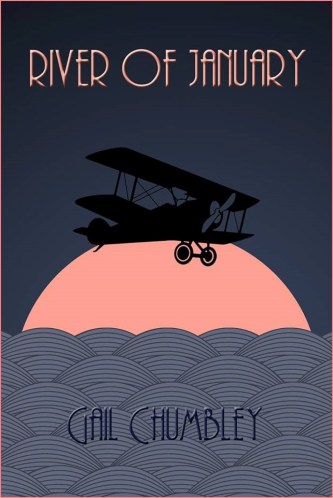
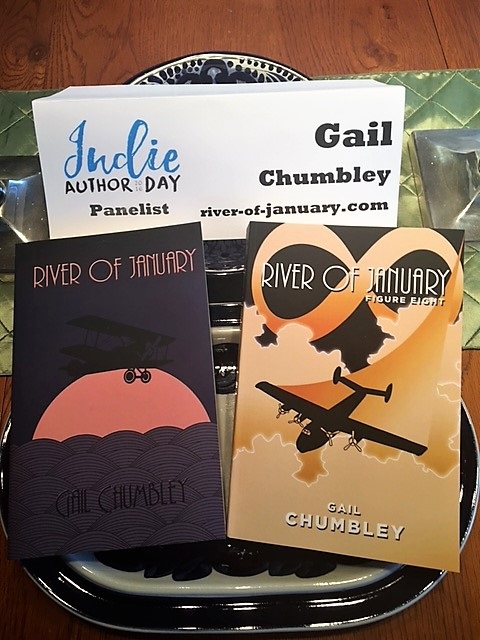
rojcover   mock3

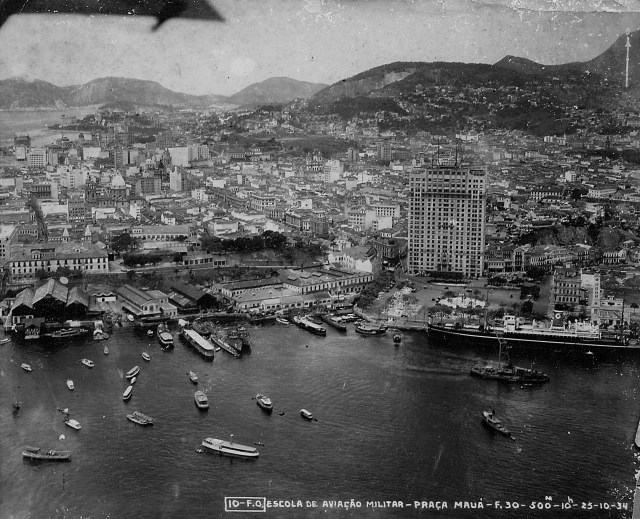
Rio By The Sea-o

rio0001

This is a 1934 picture postcard of Rio de Janeiro, Brazil. Note the wing of an airplane in the upper left. This is one of many images from the archive used in writing River of January, and River of January: Figure Eight. For a terrific, true story of ambition, aviation, and show business get your copies today. www.river-of-january.com

Gail Chumbley is the author of the River of January series.

Crossing the Atlantic, 1934


 helenlondon0001

The girl stood in the lobby brushing the stationary absently across her left hand fingers. “He’s coming here and I hope to be going there. How typical for this situation. We’ve never quite connected in so many ways.” 

Wearily Helen hiked up to the apartment on the third floor, pushing the door closed with her hip, listening for the latch.

“Mother,” she called out. “Elie’s coming back.” 

From the narrow hall she heard her mother sigh.


*


“Try this black dress. It has a veil and a lace black umbrella.” Whalen quietly fussed and adjusted Helen’s costume.

“All right,” she stood still while her new partner coiled the gown over her head.

 “How does this look?”  Helen stepped back, while Whalen appraised her.

“Perfect, Helen. I thought we’d have to alter the waist, but you’ve trimmed down.”

“I should hope so,” the dancer laughed, “I think Jans planned an exercise schedule and just called it rehearsal.” 

  It was a mild May afternoon in 1934 when Jans and Whalen, with their new partner Helen Thompson, met on the docks to set sail on the S.S. Aquitania.


*


“Helen,” Elie grasped her upper arms. “I’m not sorry I came to New York even to see you for such a brief time. I—I want you more than any other ambition in my life.” Elie’s face twisted with pain. “And my dearest girl, I don’t believe I shall ever again lay eyes on you after this ship sails today.” 

“Elie please, it’s only a four-week engagement.” The girl awkwardly soothed him.

 “My heart tells me you will never marry me.” His eyes closed. “And for me there is no one else, only you.” 

Helen stared at his tie tack, a lustrous pearl on a grey tie.

“I will never change my heart or my mind. It’s only you for the rest of my days,” Elie lamented.

“Cheer up. I’ll see you soon.” Helen forced a smile, lightly pecked the Belgian on the cheek, and rushed up the busy gangway, escaping. When she joined the crowd at the top deck railing she spied Elie, and he hadn’t moved an inch. He caught her eye, and gazed back intensely, unresponsive to her friendly wave. Ashamed, she stepped away from the guardrail and disappeared into the animated crowd. Her remorse pressed on her heavier than her steamer trunk.

“What did you say to that poor guy? Is he your boyfriend, Helen?” Jans abruptly asked, stopping her as she pressed through passengers.

“Oh, Harry, he’d like to think so. I feel so bad. His name’s Elie and he is crazy about me.” 

“Not your cup of tea, then.” 

“I honestly don’t know. The way he dotes on me leaves me bewildered. Sometimes I think I should marry him; other times I want to run the other way.”

Jans gently took both of Helen’s hands in his. “Honey, if you loved that boy, you wouldn’t have boarded this ship. You wouldn’t have auditioned for the act. Your heart would be floating, overflowing with joy.”

The dancer looked at her new partner and smiled at his kind words, though she felt more like weeping.

Jans read her thoughts. “Helen, when you fall in love—and you will, nothing will feel the same. Your life will shift unexpectedly off course, and you will follow it gladly.” 

“Thanks Harry,” Helen sniffled, tears now rolling down her cheeks.

“Now, now. None of that,” Jans kindly scolded. “Geez, kid, you needed a trip!”


*


     Dearest Bert,

We enjoyed a safe, but drenching voyage to Plymouth. I had to find Jans and Harold Whalen on the deck so we could ride the train into London together. It was a black umbrella convention! 

I have to admit I panicked a little trying to find the boys under every “bumbershoot”—nearly slipped on the wet top deck in my heels, but finally caught sight of Whalen waving his hat—he saw me first. It’s funny how much Harry Jans and Harold Whalen look alike, but they couldn’t be more different. Jans is all business and confidence while Whalen is so fragile. It’s like one word might break him in two. He’s very sweet.

When I caught up with them Jans announced “Come hither my good lady, our chariot awaits.” 

It made me laugh while Whalen just grinned. Glad we were having a laugh, because the footrace to the train risked bodily injury. I took hold of both their sleeves so we could stay together and we splashed quickly to the rail platform.

Then wouldn’t you know it, the compartments were full and so humid. Sweat dripped down every window as we searched for an empty berth. Finally, in the last carriage, Jans spotted an empty compartment. It seated four, but we took up all the space. Whalen surprised me by making a fourth rider out of our luggage. It was hilarious, and the conductor didn’t even care, he didn’t even look up. Even with the train so crowded. Mother, they are such nice gentlemen. I thanked them for hiring me. Jans told me they were the lucky ones. Sweet isn’t it.

As you can see by this stationary we are booked at The Cumberland Hotel. It is so grand, so modern. I have my own sink!  We still navigate down the hall for the lavatory, but the sink makes such a difference. I can wash my hair and my undergarments in private. Hip Hip Hooray!

                                          More Later,

                                               Helen


      Dear Dorothy,

I am sorry to write to you in a crisis, but I have dreadful news. Please keep what I’m about to tell you a secret—not a word to my Mother or my sister, please. We’ve been fired!  I know—it’s horrible. I don’t know what we’ll do. Jans says he can fix it, but I’m not so sure. I may have to come home early. I am writing to you because I can’t say a thing to my Mother—you know how she gets. But I may need a little money to get home. I do promise to pay you back when I get on my feet.

We made our first trip to the Palladium, they lettered my name on the billboard “Helen Thompson, Our Saucy Soubrette” whatever that means. I thought it was cute. Anyhow, we entered the theatre through the back entrance and met a lot of the cast. Such nice people, too. They told us that “The Crazy Show,” that’s what they call it, has been coming back to the Palladium for years. This group of comedians is known, together, as the “Crazy Gang” and made us feel very welcome. They explained that the same crowds return each season to see their old friends in the show.

We felt pretty excited opening night when Jans and Whalen took the stage after the all-cast extravaganza and began their routine. Harry Jans told the one about the soldier who had survived mustard gas and pepper spray becoming a seasoned veteran. No on laughed. The audience hated them. No one booed, and they clapped a little when Jans played and sang, “Miss Porkington Would Like Creampuffs.” Remember that silly song?  Other than that polite response, not a snicker sounded in the whole house.

Then I went on stage and performed a widow comedy monologue; black gown, the whole bit, and I bombed too. With all those spotlights trained on me, if it hadn’t been for the coughing and murmuring I would have thought the theater empty. It was horrible— nauseating— I couldn’t believe how miserably we failed. WE LAID AN EGG!

After the show some of the regulars took us out for drinks. I wanted to run back to the hotel and hide. They led us to a nice pub, but I felt so shook up I could hardly light my cigarette. They explained that English audiences often don’t understand American humor. In particular, my widow act seemed more offensive than funny.

“Too many widows after the Great War,” one comedian named Eddie Gray told me. “Not funny to families with loved ones who died in the trenches.” 

That never crossed my mind, Dot. It’s been almost 15 years, for goodness’ sake. So we were ready to make the changes the boys in the cast suggested. No prohibition jokes, no dead jokes, more songs, and lighter skits. When we arrived for rehearsal the next morning letters were pinned to the dressing room doors that we were to clean our things out—that the management would no longer honor our contract. By the way, the Times critics gave us a lambasting, too. I got to feel mortified all over again.

So, dear Dorothy, that is how the situation stands. Whalen won’t come out of his room. Jans is ready to murder the guy in the front office, and I may drag out my trunk and mail myself home. Just let me know if you can cover my passage. But, don’t do anything yet.

Thanks oodles and oodles and mum’s the word.

                                                            Helen


 My Dear Friend Dorothy,

Salvation! We have been kept on the bill, at least for a couple of small bits. So thanks for agreeing to help me home, but Jans did take care of things. I swear, Dot, Harry Jans could coax the English rain back into the gray English clouds.

It all happened so quickly, but this is how events turned. We were shocked, and then worried, as I’m sure you could tell. Then Jans remembered that our contract explicitly stated we were to make $1000 dollars a week regardless of circumstances. He marched into the manager’s office and wouldn’t leave until he received a check for $4000 dollars, or our reinstatement to the show. The manager balked and then Jans reiterated that the contract was clear. My partner gets a little fierce when he’s riled and I think he scared the fellow. The manager said he’d discuss it with his investors.

But that’s not the best part. The whole cast refused to go on until we were back on the billing!  Their leader, Teddy Knox, told the manager that one night wasn’t fair, and that until we went on again, they would wait. All of them!  Bless their hearts! Guess they are crazy. Later, I caught up with Teddy Knox in the green room and told him how grateful I was. I guess I just hugged him and cried.

So all is well, and Bertha still calm. I will tell her, but will word my letter so that she doesn’t blow her stack. Thanks again, Dot. You are such a swell friend!

                                                Helen


      Dear Bert,

We have had quite a hectic week. We opened on Thursday night and were fired Friday morning. Can you believe that? But don’t panic, we’re back on the bill now. It was all a misunderstanding; apparently people in England and people in the States laugh at different things, so we changed our act a bit. Should be all right now. Jans and Whalen are keeping a close eye on me so don’t worry. I will send a money order in my next letter and hopefully more news. Don’t worry Mother. Things here are fine. Love to Eileen.

Love,

                                                     Wellen


      Helen,

I don’t understand how you could take firing lightly. If there are any further problems you catch the first ship home. You tell Harry Jans that I mean it. Now take care, and make sure you keep me informed of any other issues.

                        Mother


     Dear Mother,

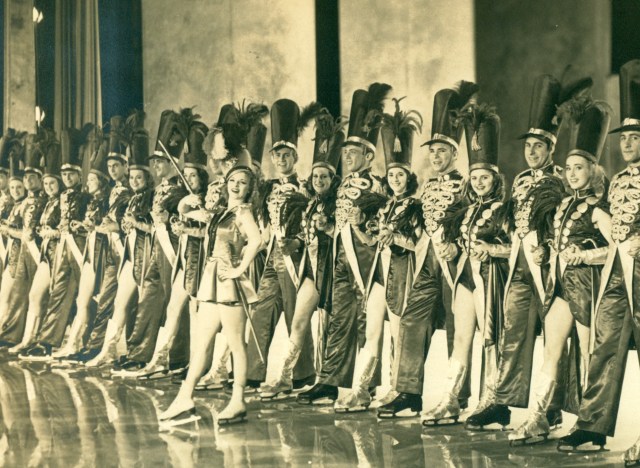
I hope that you aren’t too cross with me. We won’t be gone long, and I will be home very soon. The three of us are back in the lineup. Jans and Whalen play toreadors in the opening number, and I am in a black and white feather costume complete with white boots. The outfits are very snazzy. We sing the show’s theme song, “Come Round London with Me,” then “God Save the King.” We had to rehearse them both, and the audience stands up and sings along when “God Save the King” begins. Can you believe it?

Jans and I finally are doing our own skit. I wear my tap shoes, a short flared skirt with suspenders and a huge pink bow in my hair. On cue I timidly step to center stage (everyone can hear each tap). Under the spotlight Jans, says “Did you come out to sing a song for the nice people?” 

I point to my throat and croak out “l-a-r-y-n-g-i-t-i-s.”

Jans answers, “Oh, that’s a shame we all were looking forward to your number.” 

I lean over and whisper into Jans’ ear. Jans then says loudly “You want to whisper the words to me, and I sing the song? Yes, yes, a grand idea! I would love to!”  He announces “This song is called “Where on Earth could all the Fairies Be?” 

I whisper in his ear, he sings a line, next whisper, he sings, and then Jans finishes, arms opened wide belting the out the refrain, “Where on Earth could all the Fairies Be?” 

A spotlight quickly hits Jimmy Naughton, (he’s a Brit) planted up in the balcony who calls out in an effeminate voice,


“Oh, my, where aren’t they?”  The lights cut to black and the crowd roars with laughter. Cute, huh? 

Did you receive the money I mailed?

It won’t be long now,

                                                Little Sister


     Dearest Helen,

Hope that you are staying safe and minding your manners. The show sounds quite good. Your sister is now working in Indianapolis in a new production. I’m here by myself. Hope you get home soon. I didn’t get out of bed today. No one to get out of bed for. Your envelope arrived safely to the apartment.

                                    Your Mother


     Dearest Bert,

I am so happy to hear that Eileen is working. That has to be a relief, doesn’t it?  I’ll be home before you know it. Hang on. The boys and I have been sightseeing. We toured mostly on foot using Whalen’s walking map. We saw Buckingham Palace—it’s so regal, so beautiful, so big! 

Jans and Whalen horsed around in front of the Beefeaters guarding the palace. How could two comedians resist?  Jans danced a wild Charleston nearly in a guard’s front pocket, but the sentry did not so much as blink. We later ambled through Kew Gardens alive with color though it’s been unusually cool and rainy.

Whalen led the way to Big Ben, but we were disappointed when we got there. The clock tower is covered by layers of scaffolding because it’s under renovation and difficult to see. Whalen shocked us when he stepped past the pedestrian barricades to get a better look. Though nervous, we followed him and I’m glad we did. The tower is huge! 

It’s rained so much that we went shopping at Harrods and bought umbrellas for sightseeing. And yes, we stopped at London Bridge where we took a lot of snapshots that I guess you have already seen since they were in this envelope.

As you can tell mother it’s not ‘falling down’ like they used to sing.   I’ve enclosed a money order for $75.00.

                                                Love, Helen


     Helen,

Hearing of your tour makes me wonder when you have had time to perform. Keep your attention on your career. You are there for experience and exposure. I saw Mr. Evans today and showed him your letter. He is disappointed too. Keep your mind on your work.

                                                Mother 


     Dearest Mother,

I have the most wonderful news. Charlotte and Grace are working here in London, too!  I had been reading the theater guide in The Times and the girls are opening at the Savoy Theatre. We walked down there to see if they were around—and by the way, the Savoy looks just like The New York Times Building. We went backstage and they were there. They were as tickled to see me as I was to see them. They are such swell friends.

            Jans and Whalen laughed at us as I introduced everybody (we jumped around hugging and squealing). Jans promised we would come to their opening night and we did. I think Jans just wanted to scout out the competition. The show wasn’t so hot. Whalen tried to say nice things, like “lovely costumes” and “enjoyed that American quartet.” 

I told him I didn’t think it too great, either. But this one group could really sing, Mother. Jans found their name on the bill, they were The Mills Brothers. Best act I’ve seen so far in London, except us, ha. They sang some songs we have heard on the radio in New York, “Sweet Sue”, “Tiger Rag”, “Chinatown, My Chinatown,” remember?  Try to stay happy till I get there. Don’t let Mr. Evans tell you any different. Have you heard from Eileen or Elie Gelaki?

                                                Love,

                                     Number Two Daughter


      Dear Helen,

Eileen won’t be home for weeks; her show is playing on the road. She said she would look again for a place for you in the production when you get back. I hope you can find work in New York—you’ve been gone long enough, for heaven’s sake. I think Elie returned to London. He never came by to see me again. I don’t know what became of him. Carrie Whalen came by and she wants Harold home as much as I want you here.

                                                Mother


Gail Chumbley is the author of the two part saga, “River of January,” and “River of January: Figure Eight.” Both books are available at http://www.river-of-january.com or on Amazon.

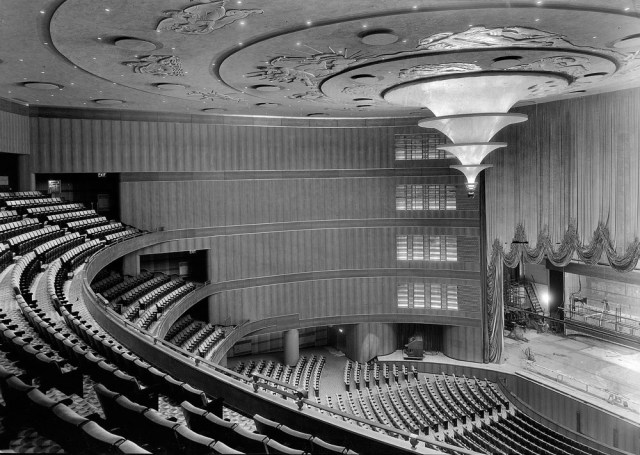
From The Top Balcony

centertheatreint

A gentleman called the house last week asking to speak to me. Since I was out, my husband began chatting with the caller, and once again, as has so many times before, something magic happened related to my books.

This man had discovered “River of January: Figure Eight,” through a series of clicks on social media, and found enough information to phone our home. He had hoped to gather more about the professional Ice Shows at Center Theater during the war in New York. The reason he asked was that his aunt had skated in the productions, (created by Sonja Henie, and choreographed by ballet mistress, Catherine Littlefield) and that his aunt was still living!

On Sunday night, following my own conversation with the nephew, I had the honor of speaking to Gertrude, “Trudy” Schneider, now a young 93 years old. This grand lady, residing in Canada, apologized that she had only known Helen Thompson, my central character in the memoir, from the theater dressing room. Though Trudy skated evenings with Helen, she attended school during the day, as she was only sixteen years old. That made sense since Helen was close to thirty when she began the show, and a mother by that time.

Trudy further detailed her life story, adding that she and her family, with relatives already in America, came to the country from Vienna in 1939. Under Nazi occupation, Austria was not a safe place for Jews any longer, and so she, her parents, and one brother made their way to the US. A skater since childhood, she had been ‘discovered’ skating at Madison Square Garden, and promptly signed by the Center Theater front office. Her parents weren’t thrilled about their daughter working, but according to her nephew, Trudy earned $45.00 a week, making her income vital.

I also found out that one of my favorite character’s in “Figure Eight,” Vera Hruba, a Czech skater,  advised Trudy to always remember her false eyelashes. According to Hruba that was all a girl needed.

As our conversation progressed she seemed to recall more details about her experience at the theater, including how a typical rehearsal transpired. Catherine Littlefield, the  choreographer mentioned above, would climb to the top tier of the fourth balcony and critique the final run-through from her lofty perch. Trudy implied an aura of imperial omnipotence in Miss Littlefield’s seating choice, judging the performance from on high.

Conversing with Trudy felt like time travel; that I had reached back and touched 1943 New York. When I find this book business overwhelming–when I wonder why I bothered to take on the project, a “Trudy” moment presents itself.

Then I remember.

ithappens100012

Helen Thompson (Chumbley) first girl on right, Trudy Schneider, second girl from right.

Gail Chumbley is the author of River of January, and River of January: Figure Eight, a memoir in two volumes.