The Long Weekend

th

A former student posted pictures yesterday of a cadet event at West Point. In a formal ceremony he and his classmates were presented with gold class rings in what looked like an annual military tradition. According to the post these rings were made from gold melted down from deceased former cadets, and shavings from the remains of the Twin Towers. A moving and inspiring affair for sure.

Parades on Veterans Day, Memorial Day, The Fourth of July, festooned with waving flags, highlight the modern veneration Americans feel for their warriors, past and present. But this honor and respect wasn’t always held for our fighting forces. In fact from the close of World War One in 1918 until the attack on Pearl Harbor in 1941, Americans across the country roundly rejected and criticized anything to do with the armed forces.

As I go about the Northwest, speaking on “River of January,” folks are consistently surprised with the contempt the public held for soldiers and sailors in the book’s setting. The central figure in the memoir, Mont Chumbley shared with me before his death that at the time he enlisted in Norfolk Virginia, signs appeared in city parks warning, “dogs and sailors keep off the grass.” And it is that quote that draws stunned reactions from listeners.

The killing fields of World War One dragged on for three bloody years until America joined on the side of the Allies. Woodrow Wilson, the sitting President betrayed his earlier campaign promise of, “He kept us out of the war,” quickly changing his mind about Europe. He ultimately asked Congress for a declaration of war in April, 1917 to “Make the World Safe for Democracy.” This idealist Chief Executive sent American boys across the Atlantic to remake the world in the image of America’s republican system.

American soldiers, “doughboys,” weren’t in any way ready to deploy, quickly activated and barely trained. Still the recruits and draftees were promptly loaded onto troop ships landing in time to stave off a final German offensive. Gung ho and naïve, US forces made the difference almost at once, charging enemy trenches in blind innocence, with a faith in their youthful invincibility. The exhausted, war-weary combatants, particularly the German “Huns,” soon collapsed, requesting an armistice in November of 1918, ending hostilities.

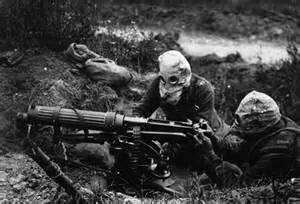
World War One had unleashed unthinkable horrors in tactics and weaponry. Foul sewage-filled trenches, poison gas, machine guns, aerial bombing, torpedo launching u-boats, tanks, barbed wire, and “no man’s land,” sickened the American people. An outraged sense of being duped into war by big business and self-serving politicians became universal.
Beleaguered President Wilson attempted to salvage purpose from the unspeakable carnage with his “Fourteen Point” peace plan, including his “League of Nations,” a forerunner to the United Nations. Citizens universally rejected Wilson’s efforts to remake a peaceful world. In fact, Americans rejected any form of internationalism whatsoever. War was pointless, and the nation resolved to never venture abroad again, period.

An attitude of isolation gelled and hardened into popular opinion for years to come. Any boy who joined the service was considered a no account scoundrel with no ambition, or self respect. It was in this hostile atmosphere Mont Chumbley bucked popular opinion choosing to join the Navy and ultimately fly airplanes.

It came as no surprise that his family vehemently opposed his enlistment plans. The entire clan closed ranks, certain the family name and reputation was at stake, and the boy could not be permitted to sully the rest of them. And that is only a single anecdote of one family in a nation appalled by anything military.

All three branches faced draconian budget cuts in the 1920’s, with more slashed during the Great Depression. Military leaders hustled to find ways to justify their shrinking budgets before Congress. Military planners were met with answers such as that concluded by Congressman Gerald Nye. Results of Representative Nye’s study determined the US only entered the World War to enrich munitions manufacturers and bankers. The Navy had already taken an earlier hit when a moratorium was placed on building any new battleships. America didn’t need them anymore, the country would never go to war ever again.

And that attitude persisted from 1919 to 1939 until Hitler’s blitzkrieg shattered the peace. But even then the US did not involved itself, even as England stood alone before the Nazi onslaught. Instead Congress passed Neutrality Acts tying the President’s hands to help the English. American entry into that war didn’t occur until the Japanese attack at Pearl Harbor two years later, in December of 1941.

The “Long Weekend” starved America’s military for twenty years. That Mont Chumbley managed to join at all, and managed to fly the few aircraft the Navy possessed is nothing less than a miracle. That farm boy from Virginia overcame immense barriers; stiff family opposition, social ridicule, and crossing an immense chasm to become a Navy pilot.

But he did.

Gail Chumbley is the author of the memoir River of January and River of January: Figure Eight. Both are available in hard copy at http://www.river-of-january.com and on Kindle.

Any questions? Reach me at gailchumbley@gmail.com
Panama 1932

Author Note: The following excerpt was drawn from extended interviews with veteran aviator Mont Chumbley (1909-2006), discussing his training in the interwar Navy. For the rest of the story read “River of January” available on Kindle.

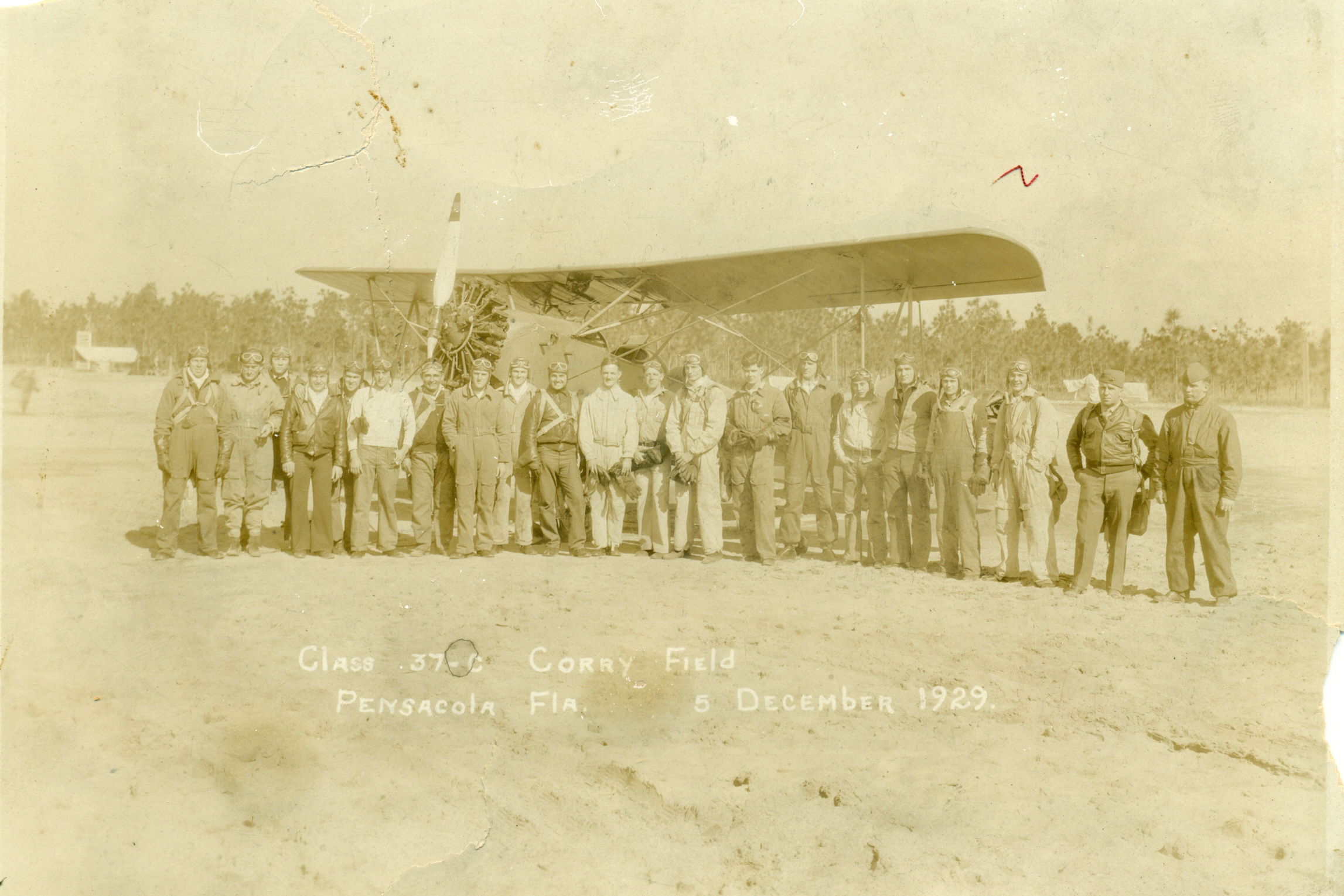
Later, with his flight training securely behind him, Seaman Montgomery Chumbley received his first official orders. He and his class were assigned to Torpedo Squadron 3, located in Coco Solo, on the Atlantic coast of Panama. Chum joined his fellow novices as they shipped out southward aboard the USS Shawmont.

Watching from the deck as the Florida base vanished, the pilot silently rejoiced at this milestone. He also celebrated the fact that he didn’t have to return in disgrace to Virginia. That euphoric detail made the sky somehow bluer, the clouds somehow more feathered and graceful. The young man felt nearly giddy.

After two pleasant days at sea, the Shawmont cruised into the Naval Station at Guantanamo Bay in Cuba to refuel. Chum was enchanted by the beauty of the jungle and continued to marvel at the colorful sea life and assortment of exquisite birds circling the ship for handouts. The vast horizons he used to imagine, were becoming reality.

The Squadron’s final destination lay near Colon, Panama. Coco Solo was a vast, busy American naval installation, surprising the young pilot with its colossal size. The arrivals boarded a transport for delivery to their quarters, gawking out their bus windows in wonder at the enormity of the American base.

His awe continued after he and the boys were escorted to the adjacent submarine facility to tour that installation.

Returning to the field, the group sat through their initial military briefing, Chum, next to Win, listened as the instructor addressed the new aviators. The captain explained that a 1929 War Department directive assigned the US Navy the task of protecting the Atlantic zone of the Panama Canal from hostile threats.

“The Army’s Fort Gulick sits adjacent to us in Coco Solo, and shares our same mission,” he explained. “As some of you may already know, to the southwest, other military bases dot the entire 51 miles of the canal—all the way to where it meets the Pacific.

After the session, Chum remarked to his buddy, “I feel strangely noble defending the canal. It’s as though we all are part of a bigger picture, with America expanding into both oceans.”

“But what country would be nuts enough to attack us?” Win wondered.

War games made up much of Chum’s Panama duty. The flyers were the “red” team, attacking from the air, while the “blue” team lay in wait, aboard ships “guarding” the canal. The pilots executed their orders during these simulations, but off-duty they grumbled about the Navy’s outdated and seriously flawed maritime battle plans.

“I can’t believe they have us flying so near enemy ships!” Chum groused, crunching over a gravel path after morning exercises. Win paced alongside as they headed toward the base canteen.

“So near? What do you mean? How else could we release our torpedoes?” His friend asked as they ordered sodas at the commissary’s cafeteria.

“Think about it, Win. A torpedo aims more accurately if it detaches directly above the ocean’s surface. And it’s not the steep dive on approach that’s fatal—it’s pulling up after releasing the torpedo. That maneuver is potentially fatal. The belly of the plane is too close to enemy guns. Any surface ship could blow us to kingdom come.” He smacked his palms loudly for effect.

“But, Chum, hold on! There’s smoke laid down on the surface by the first two T3M’s. That smoke blankets us.”

“Yeah, if all goes as planned. If the smoke is laid down close enough to the water, if it doesn’t rise too fast, and if the wind doesn’t blow in too hard. That’s a lot of ifs. Think about it. We approach in low formation, drop our payload and bank, while dangerously showing our undersides to the enemy. We’d be lucky to keep our asses dry, Win. Makes me wonder what desk genius dreamed up this idea. It’s a suicide mission.”

The two flyers stared at their icy drinks. Perhaps Win could see his own plane exploding into the cold depths, just as Chum had already envisioned.

“Anyhow, the scuttlebutt says the brass is taking a second look at that line of attack,” Win disclosed. “The Navy wants to remodel the torpedo bombers into patrol biplanes, replacing the ordnance with fuel tanks. Can’t come fast enough for me—you’ve made me a believer,” his friend admitted.

Gail Chumbley is the author of “River of January,” and “River of January: Figure Eight.” Both are available at http://www.river-of-january.com or on Kindle.

gailchumbley@gmail.com

The Archive Story

amelia0001

Amelia Earhart (left)

Skip the ad, and click to full size.

Enjoy!

Video-The Family Archive

Gail Chumbley is the author of the two-part memoir “River of January,” and “River of January: Figure Eight.” www.river-of-january.com Both books are also available on Kindle.

Why We Remember

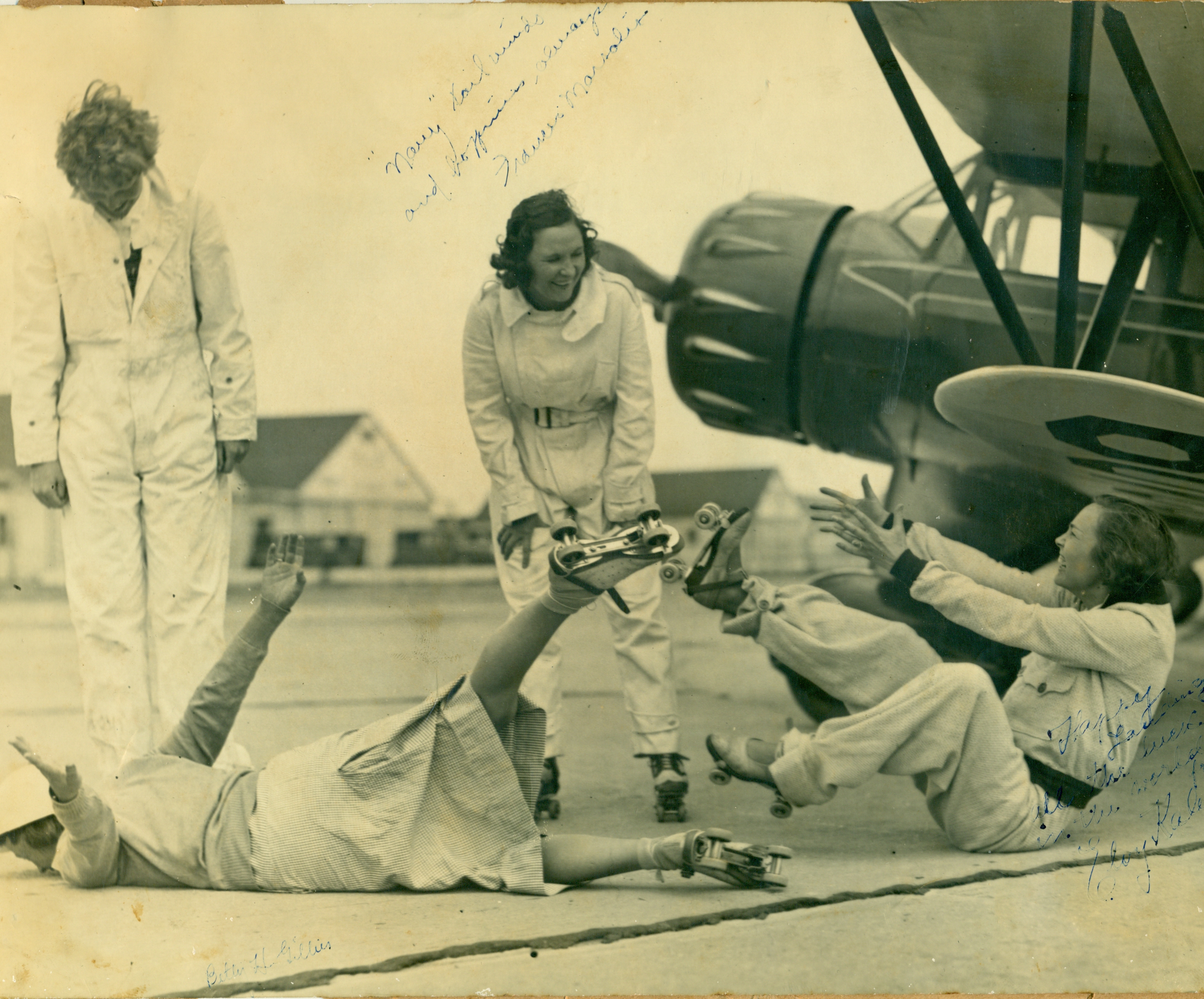
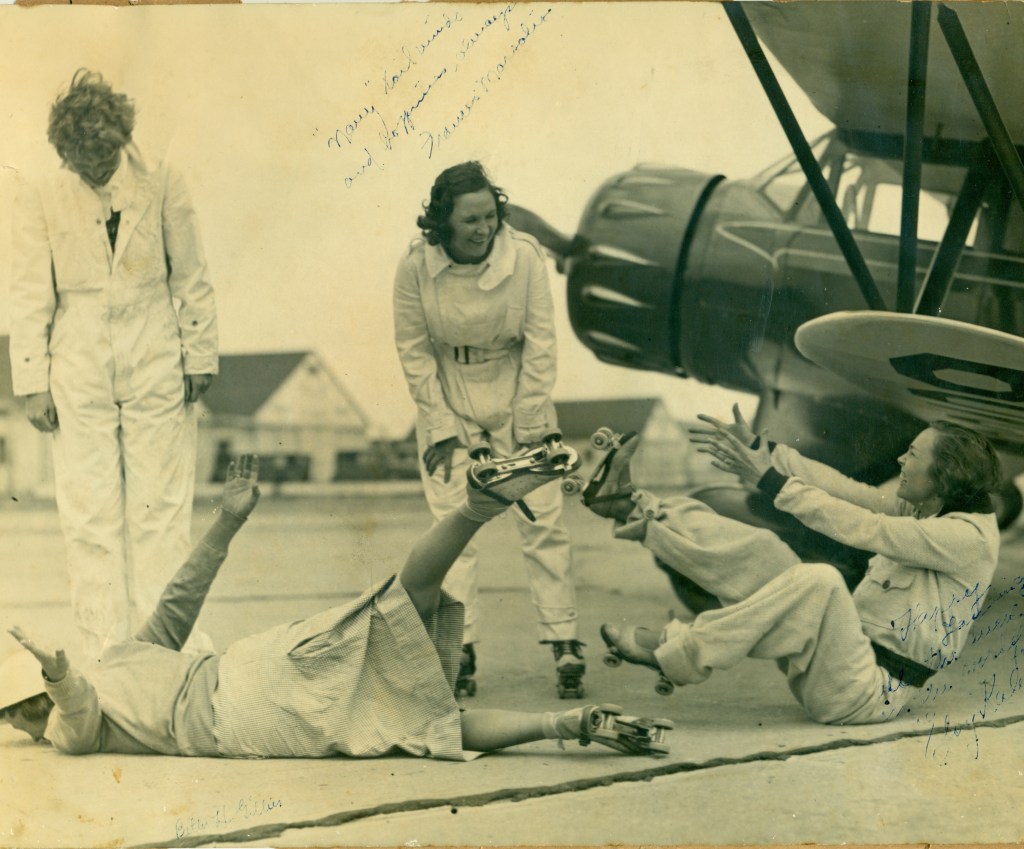
Roosevelt Field Aviators,1933: Elvey Kalep, sitting right, Betty Gillies, on her stomach, Frances Marsalis, standing center, Amelia Earhart, at left looking down. “The Ninety Nines.”

This week’s promotion of “River of January” turned out a glorious success. My central purpose in researching and writing this first installment was to honor what transpired in America before our time. I hope all of the Kindle readers who downloaded the memoir are stirred by this true account, and return for the sequel, “River of January: Figure Eight.”

Gail Chumbley is the author of “River of January” and “River of January: Figure Eight.” Both are available in hardcopy at http://www.river-of-january.com or on Kindle.

Free is Good

From the advent of aviation to the stages of Vaudeville–spanning continents by air and sea, comes “River of January.” Enjoy this true, epic story.

“River of January,” part one of a two-part memoir is available, free on Kindle, from Sunday, March 31, through Tuesday April 2.

Click the link below.

River of Januaryhttps://www.amazon.com/River-January-Gail-Chumbley-ebook/dp/B00N1ZLWZI/ref=sr_1_2?keywords=river+of+January&qid=1553962925&s=digital-text&sr=1-2

Gail Chumbley is the author of “River of January” and “River of January: Figure Eight.” http://www.river-of-january.com

gailchumbley@gmail.com

One Thing Leads to Another


IMG_1500

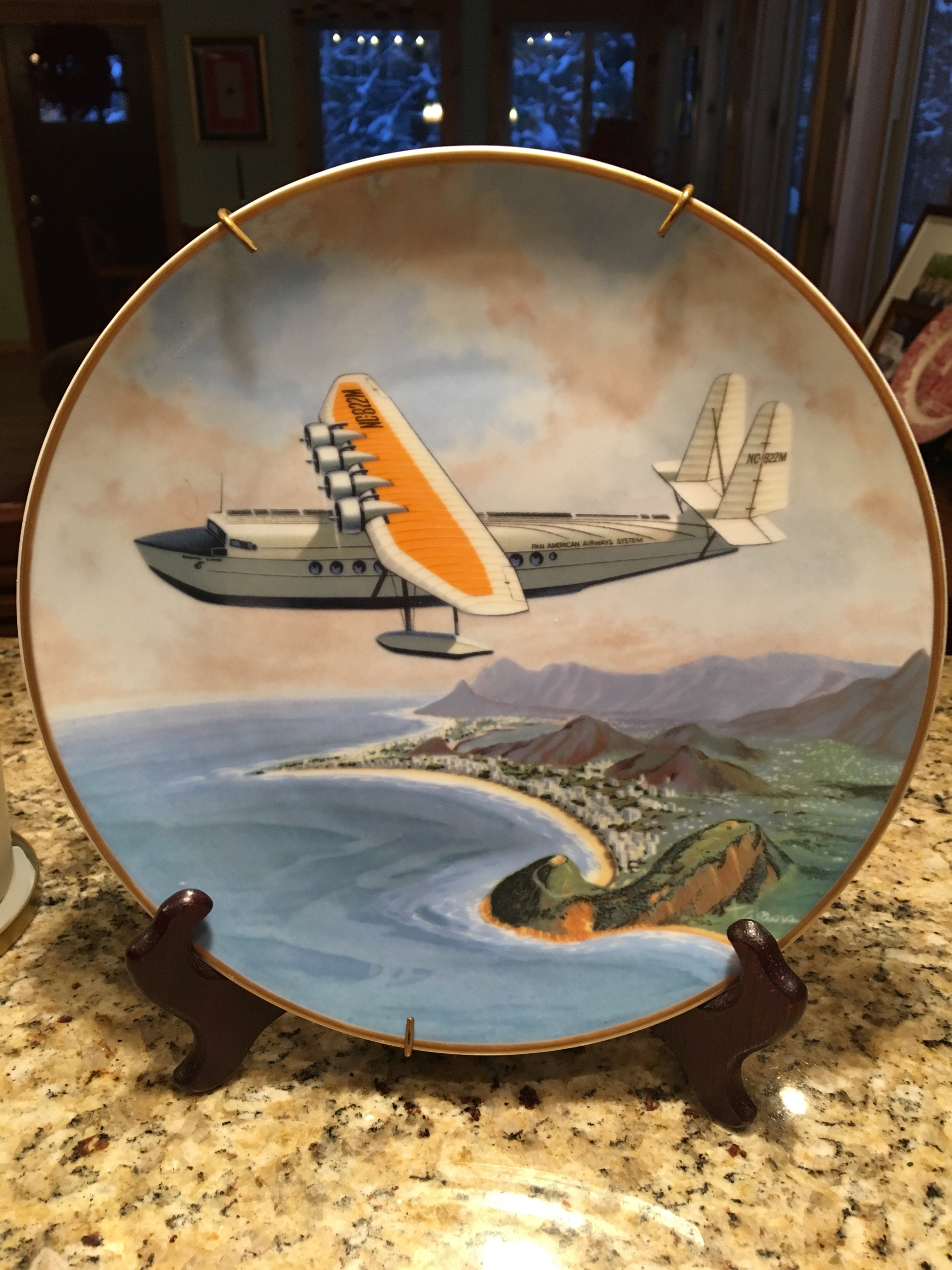
PanAm Flying Boat 


As many of you . . . some of you. . . well, none of you know, Jeff Bezos is out to get me. So jealous, is old Jeff, that he monkeyed with my book pricing on Amazon, charging upward to $600 for my $15.99 book, “River of January.” But I showed him. I not only took that title down, but the second part of the memoir, “River of January: Figure Eight” as well. Let him agonize that defeat. This blow could bring the company to its knees. 

But, I am not without a trace of mercy. If one, or even two of you were inclined, both books can still be found on Kindle. If a reader’s taste runs toward nonfiction, with a yearning to relive an earlier era; a time of air races, world travel, Hollywood glamour, Vaudeville productions, Sonja Henie ice shows, and World War Two, I’ve got the story for you. Even Jeff understands blockbusters, like “River of January,”  cannot be  forever muzzled.

During this long overdue separation with Bezos, I’ve dabbled in another, new to me, format—writing plays. With my script writing partner, Ray Richmond, (yeah, we have written a script) we’ve committed to highlight historical figures who are important, but lesser known. Our first effort, still in progress, covers the life of Antebellum Senator, Henry Clay, and his herculean efforts to stave off Civil War. I’m not sure that writing plays is any easier than big girl chapter books, but I like the process better. And noble Henry Clay is an inspiring muse.

If anybody out there has wondered what became of Gail, and her endless accolades of Helen and Chum, I am quite well and still preaching the gospel of “River of January.”  

Without the experience of writing these two books, playwriting would never have touched my life. Please watch for more announcements on “Clay,” and if you think “River” and “Figure Eight” is a good reading fit follow the hyperlink.

Together we will shall ‘mean girl’ Jeff Bezos. 

For hard copy books, www.river-of-january.com

On Kindle https://www.amazon.com/s?k=river+of+january&ref=nb_sb_noss_2

Gail Chumbley is the author of the two-part memoir, River of January, and River of January: Figure Eight.

Photo credit, Mary Sederstrom Smith

gailchumbley@gmail.com


99 Cents

The Kindle version of “River of January: Figure Eight” is on sale today for only 99 cents. Step right up and enjoy the flight.

Gail Chumbley is the author of the two-part memoir, “River of January” and “River of January: Figure Eight.” Both available at www.river-of-january.com.

$864.00?

cropped-rojcover102

Oh, Amazon, anarchy is thy name! Part 1 of my two-part memoir is listed on Amazon books for $15.99 plus shipping. But cyber guerilla’s have used copies priced from $40. to $864.00. Can I get a witness?

Dear readers, if you would like a copy of ROJ got to www.river-of-january.com. That’s where gravity still functions.  The book is available at a reasonable price. I’ll sign it if you wish.

Also book 2, River of January: Figure Eight is available on Kindle for .99 cents. The sale continues until February 2.

BTW, Amazon says the book price lists fine on their end.

Gail Chumbley is the author of the two-part memoir, River of January and River of January: Figure Eight

Midnight

amelia0001


Think you know Amelia Earhart? Read another view from someone who knew her.

River of January is only 99 cents on Kindle. Sale ends at midnight MDT.

Click below.

https://www.amazon.com/River-January-Gail-Chumbley-ebook/dp/B00N1ZLWZI/ref=sr_1_1?ie=UTF8&qid=1546455738&sr=8-1&keywords=river+of+january


For Your Reading Enjoyment

missgroup0001

Attention Kindle readers! “River of January,” part one of the two-part memoir is going on sale. For only 99 cents relive the thrilling, true adventures of the aviator and the show girl. The offer begins on Saturday, December 29th at 8:00am MDT, ending on Wednesday, January 2, 2019 at midnight MDT.

Check for “River of January: Figure Eight,” part two of the saga, going on sale at the end of January. Stay tuned for details.

Amazon.com