Many of us have read JK Rowling’s Harry Potter books and/or watched the films. The author created a wondrous world of spells, incantations, and even included law and order via three unforgivable curses.
There are guardrails in this tale, and a bit of a messiah storyline. Harry willingly sacrifices himself, as had his parents and many others before. However, the “Boy Who Lived,” does, and returns to fight and vanquish wickedness.
Love, too, permeates the storyline, and the righteous power of good over evil.
But that’s not my take.
As a career History educator I came to a different conclusion; Harry Potter told me that failing to understand our shared past can be lethal. And that was the metaphor I preached to my History students.
Harry rises to the threat and defends all that is good and valuable in his world. If he didn’t, Harry could have been killed and his world destroyed.
It’s so apropos at this moment in our history to grasp our collective story as Americans.
Honest differences within the confines of our beliefs is one thing. Obliterating the tenants of democracy is quite another.
Americans cannot surrender our country to this would-be dictator, the things that have cost our people so dearly. Freezing soldiers at Valley Forge did not languish to enable DJT to trademark his brand to hotels, steaks or a failed university. The fallen at Gettysburg, and the suffering in Battle of the Bulge was not to pave the way for DJT to get us all killed from a ravaging plague. The girls who perished in the Triangle Shirtwaist Fire, the miners murdered in the Ludlow Massacre, or humiliated Civil Rights workers beaten at the Woolworth’s lunch counter was not for Donald Trump to validate racism and sexism and undo labor laws.
He doesn’t know our nation’s history, and as George Santayana warned us, we are condemned to sacrifice all over again.
Vote.
Gail Chumbley is the author of the two-part memoir, “River of January,” and “River of January: Figure Eight.
Cloud cover continued to dog the exhausted flyer. Though dawn light saturated the sky, visibility hadn’t improved.
Whirring through the gauzy gray, he weighed his options. If the weather didn’t improve, he would navigate out over open ocean and look for a break in the misty gloom. This contingency plan set, Chum streamed eastward, nervously checking and rechecking his wristwatch.
From the corner of his eye, he spied a shifting break in the cover, and Chum didn’t hesitate. He pushed the yoke and slipped through the sudden gap.
A panorama of chalk-gray spindles greeted him. Automobiles the size of insects, inched along among the spires.The Waco soared above the Manhattan skyline.
Exhilarated and exhausted, Chum beelined over the East River, and on to Roosevelt Field.
Thundering down landing strip number 1, Chum slowed his Waco to a full stop, tired but satisfied he had prevailed.
But the race had not ended.
Officials rushed the tarmac, urgently shouting and waving. Concerned about the commotion, he reached to turn the throttle off, and that was when he heard a chorus of NO above the din. Frantic hands pointed in the direction to another landing strip. If he shut down the motor he would be disqualified. Without a word, Chum promptly taxied to landing strip number 2, then shut down his biplane.
He had won.
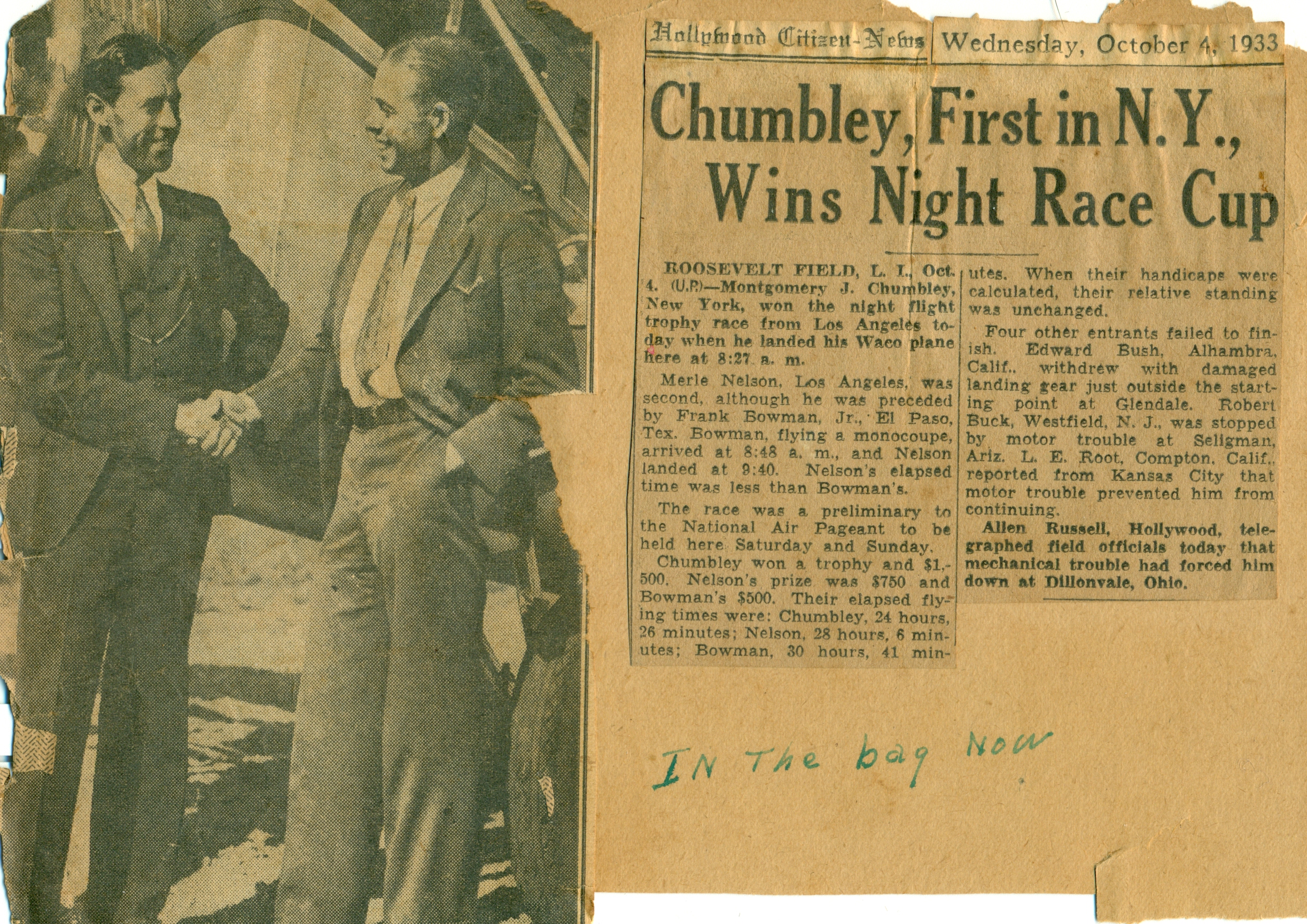
Seven planes had ascended into darkening California skies. Of the seven only three found their way to Roosevelt Field. Chum’s Waco cabin had journeyed above the sleeping nation in 24 hours and 26 minutes; two minutes added by his last minute dash across the field. His victory award-$1,500, enough to reimburse the stock broker, and pay off his airplane. Not bad for a young man struggling through the worst year of the Great Depression.
Gail Chumbley is the author of the two-pat memoir, “River of January,” and “River of January: Figure Eight.” Both titles available on Kindle.
Building his own charter service at Roosevelt Field, Mont Chumbley got right to work building a clientele. Though 1933 marked the low point of the Great Depression, photographers and reporters from the Associated Press, United Press International, continued to work, beating a path from Manhattan to hire his Waco. Adding student-pilots to his schedule, plus weekends barnstorming around the countryside, Chum made ends meet.
Friendships with other aviation boosters included Amelia Earhart, Broadway producer Leland Haywood, wealthy philanthropist Harry Guggenheim, and his first sweetheart, pilot Frances Harrel Marsalis. In a later interview Chum referred to a long ago passenger, Katharine Hepburn, as a ‘nice girl.’
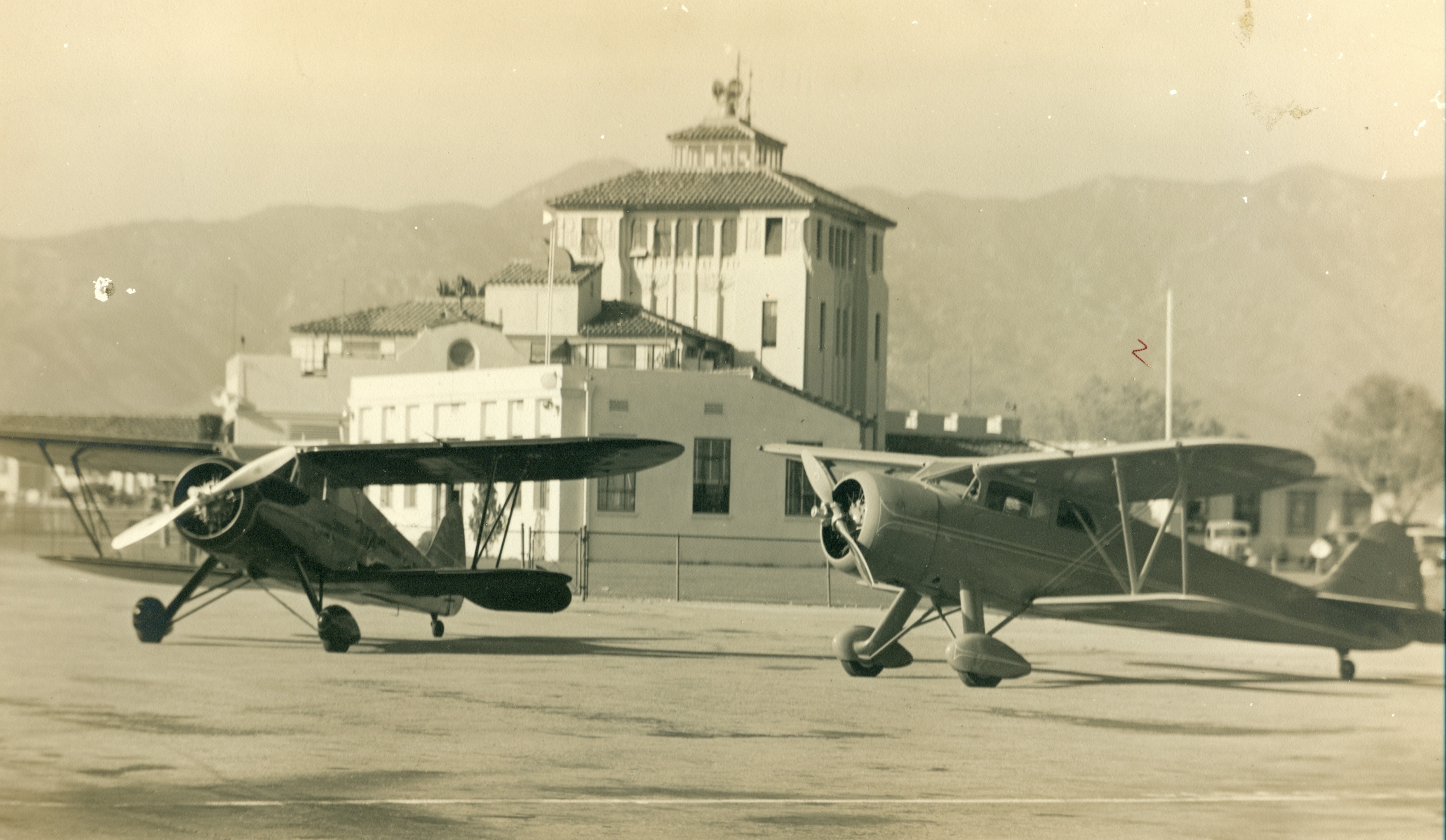
By Autumn of 1933 Chum unexpectedly found himself a contender in a transcontinental night race, though it hadn’t been his idea. A prominent client who held a seat on the New York Stock Exchange believed Chum was New York’s answer to Lindbergh, funding needed modifications to his Waco C, if only the young man would enter. Chum, weighing his chances. finally agreed.
His biplane soon readied, Chum winged his way from Long Island to Glendale, California, flying much of the trip west by moonlight for practice. Resting in Los Angeles much of October 2, 1933, Chum was told he was seeded third for take off, and finally lifted his Waco into dusky eastern skies.
At his first stop, taxiing across a dark air field in Albuquerque, a fueler informed him another plane had already been and gone. A bit panicked, sure he was lagging behind, the young flyer hustled into the night sky, opening the throttle full bore to catch up. Just before dawn, the lights of Wichita appeared, where the spent pilot learned he was, in fact, the first entrant to arrive.
Weary as Chum felt, he couldn’t sleep. Keyed up by the excitement, he had to wait on those planes yet to arrive. And by late morning only two aircraft had cleared Albuquerque, a Monocoupe and a Stinson.
This night derby narrowed to a three-man contest.
Awarded 2 hours and 10 minutes for his first place in Wichita, Chum coaxed his Waco upward against the lengthening shadows of a Kansas sky. Hours later, at his last checkpoint in Indianapolis, Chum pushed on for New York.
However, the weather wasn’t cooperative.
Through western Pennsylvania, the bi-plane’s windshield began to pierce thickening clouds. Growing anxious, he thought he might be off course, or even worse, lost. But luck remained his co-pilot, when he glimpsed a small break in the inky mist. A lone light flickered below in the blackness, and he slipped down through the pocket.
Executing a bumpy landing on a farm field, the young flyer stumbled through darkness and dirt, making his way toward the light pole, and a modest farmhouse. Urgently thumping on the door, Chum roused a farmer and his wife, breathlessly apologizing for his intrusion.
Explaining his predicament the bewildered couple kindly let him in. As the wife perked coffee, and laid out food, the farmer got out his maps and showed Chum his location. With heartfelt thanks, he apologized once again, then returned to the night sky, righting his direction toward New York and hopes for victory.
Gail Chumbley is the author of the two-part memoir, “River of January,” and “River of January: Figure Eight.” Both titles are available on Kindle.
The President fumed, crushing buttons on his cell phone, as if each tab detonated an explosion. On the big screen Wolf Blitzer, voice flat and controlled, droned on how the President continued to lag in the polls.
“Fake news,” he muttered out of habit, and switched the channel.
Perched on the edge of an upholstered armchair, he clutched his remote in one hand, and his cellphone in the other, seething at the unfairness of the coverage.The broadcast cut to a political commercial; a carefully spliced montage of his public faux pas, ending with an endorsement from his adversary.
“Ukraine,” he muttered, “Got to talk to Mitch and Kevin about a new Ukraine investigation.”
“You cannot coerce them, you know.” The voice came from behind. “The people. They cannot all be manipulated, much as you might try. Most are not fools, and any goodwill must be earned.”
Not accustomed to direct insolence, the President twisted around in his chair snapping, “Just who the hell are . . .,” then trailed off. A tall, painfully angular man stood near a richly paneled door. Attired in a long black coat with tails, the visitor sported whiskers along his jawline.
“And they will never all love you. Ever. Such is the raucous nature of American democracy.”
The apparition paused a long moment. “Sowing divisions through fear and vitriol is not governing, and you shall surely fail.” The visitor stepped closer as he spoke, prompting the President to spring out of his chair, phone and remote forgotten on the carpet.
“I recognize you . . .,” the President sputtered.
“We, all of us, sought this office fueled with purpose and ambition,” the visitor continued in a prairie twang. “However, once under oath, the campaign is over. A president faces the duty of serving all Americans, a challenge in the best of circumstances.
From the flickering screen a news anchor admonished, “Aides have confirmed that the President knew of the virus as early as February.”
“It’s those hacks,” the President stabbed his finger accusingly at the big screen. The press is out to. . .”
His visitor laughed without humor. “Criticism of elected officials is as natural as the sun rising, and as perpetual. ‘Baboon’ was the nicest insult slung my way . . .by a serving general, no less. Then he up and ran against me in 1864.” The visitor chuckled lightly. “Still, the truth is we are all better with free speech than without. In our differing views we discover our deepest truths.”
By now the President began tuning out much of what the visitor was saying, his irritation making him bold. “You need to leave,” he snapped. “I have a busy schedule.”
Unruffled, the unwelcome guest studied the President intently. “In my time an entire section of the nation disputed the results of my election.”
“You lost the popular vote, but won the Electoral?” The President couldn’t help but ask.
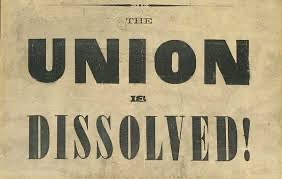
“Indeed. Eleven southern states chose the battlefield over a peaceful transfer of power.”
“What did you do?”
“I defended the Republic.”
His visitor continued sadly. “However the butcher’s bill for this unity came dearly; 700,000 American lives.” The visitor heaved a weary sigh. “And that delicate balance has endured through all national crises, preserved only through considerable effort and executive leadership. A unity you undermine at every opportunity. ”
“Wrong, wrong, wrong. My supporters all love me. You should see the crowds at my rallies.”
“And the rest of America?” The visitor peered intently at the President. “Remember sir, we are friends, not enemies. We must not be enemies.” His voice quietly trailed off in an echo, and he was gone.
Gail Chumbley is the author of the two-part memoir, “River of January,” and “River of January: Figure Eight.” Both titles are available on Kindle.
Three early American documents are often lumped together in our collective memory, though each is quite different from the others; The Declaration of Independence, The Articles of Confederation, and the enduring US Constitution. Citizens generally know something of the Declaration due to a certain celebration we observe each summer. The Articles of Confederation are a bit more elusive, and not nearly as recognized. The third, the US Constitution is revered, but its beginnings, and purpose is also shrouded in time.
Here is a quick explanation of each missive, particularly the sequence, and the significance of each.
The Declaration of Independence: July 4, 1776. A product of the Second Continental Congress, this revolutionary document was ratified as an instrument of rebellion, after all other measures to avoid war with England had failed. In reality, the shooting had begun a year earlier in Lexington, Massachusetts, but the Declaration formalized hostilities. Debated and delayed, this document was finally adopted in July of that year. Congress made crystal clear their reasons and resolve to free themselves from King George’s arbitrary rule. Penned by Thomas Jefferson, the Declaration began with a guiding statement about “Natural Right’s” shared by all humanity, and that people had the obligation to free themselves from unjust tyranny. The rest of the epistle read as a legal document condemning the King and his despotism. This document is the first of the three in forging the United States of America.
The Articles of Confederation: September, 1777. The Articles provided America’s first national charter of government. Approved by the same Second Continental Congress in 1777, the Articles attempted to unify the original states under one government. Through this document, Congress sent diplomats abroad, including Benjamin Franklin and John Adams, to (beg) obtain financial support from European powers. However, at home, this framework failed miserably. More a Confederation of independent principalities, Congress had to plead for money and men from each state, who often said no. There was no power to tax, no centralized currency, and the Articles weren’t even ratified by all 13 states until a month before the war ended at Yorktown. Each state jealously guarded its own interests over any unified cooperation. Congress could do next to nothing to aid General Washington and his army. Chaos ensued after the war ended, as well. Trade wars flared, disagreements among the states spilled over into violence, and rebellions within states promised more turbulence. The ability of America to govern itself appeared doomed. The English were sure America’s failure was imminent, and they could, once again, swoop in.
The United States Constitution: May to September, 1787. Born from an earlier 1786 meeting between Alexander Hamilton and James Madison in Annapolis, MD, the Constitutional Convention was organized and slated for Philadelphia in May. Both founders understood that without persuading Washington to attend this new Convention, any success was remote. Washington, tending his home at Mount Vernon, was hesitant, and tired. However, when news reached the General of an uprising in Western Massachusetts, (Shays Rebellion), Washington agreed to attend. Fifty-five delegates from all the states except Rhode Island, reported to the Pennsylvania Statehouse in Philadelphia. Most were lawyers, sprinkled with many Southern slave holders. Virginian, James Madison came prepared with a plan to replace the feeble Articles of Confederation. Much of Madison’s Virginia Plan became the basis of the Constitution. Designed for endurance, this new charter vested authority in the Central government, and the states. Termed Federalism, powers under this frame of government are shared between both authorities simultaneously. The tooling of the document, employing separation of powers, and checks and balances is brilliant, and worked well until 2016.
Gail Chumbley is the author of the two-part memoir, “River of January,” and “River of January: Figure Eight,” both on Kindle.
His was a storied life of potential and opportunity.
With damn good luck and perseverance Mont Chumbley forged a career in the earliest days of aviation. And that he became a pilot at all stood in stark contrast to his rustic, Virginia beginnings.
Born in 1909, young Mont spent his childhood on a farm more 19th Century than 20th. As the eldest son of the eldest son, Mont, as a matter of custom, was expected to follow his father as the next heir of the operation—as had scores of Chumbleys in prior generations. But to the patriarch’s displeasure, the son showed little interest in tending fields.
Instead young Mont discovered other passions; school, sports, girls, and the excitement of town. This lack of enthusiasm for farming generated enough animosity, that the boy had to run away from the farm in 1924.
Mont was 14.
Following a horrifying ordeal in the depths of a West Virginia coal mine, the shaken young teen caught a train back to Virginia, but not the farm. Rather he found sanctuary in his aunt’s opulent home in town. Grateful for his unexpected deliverance, Mont blossomed, graduating from Pulaski High School in 1927, lettering in football and class valedictorian.
Through his academic and athletic achievements, Mont’s opportunities appeared endless, and he knew exactly what he wanted.
While still a little tyke Mont had witnessed a barnstormer set down a biplane in nearby fields. Hearing the roar of the plane’s engine, glimpsing the spinning prop as the aircraft winged above the fields, Mont discovered his calling. Inspired with this childhood memory, Mont set his cap on entering the United States Naval Academy in 1928.
However, he couldn’t crack admission exams, so his hopes for Annapolis vanished, leaving Mont only one option–enlisting as a seaman recruit.
As straightforward as that path appeared, the young man ran into an immediate hurdle; his father had to sign his enlistment papers, and that the old man would not do. If the heir did not want to farm, the father would not help.
This family impasse did not resolve until Mont’s mother stepped in and threatened her husband with legal action. Mont’s mother, sure to her word hired a lawyer and prepared to seek consent from a judge. The father stunned by her defiance knew he was beat, and reluctantly endorsed his son’s enlistment papers, allowing Mont to enter the US Navy in 1928.
A hardy boy, the rigors of Naval training proved no problem for Seaman Recruit Mont Chumbley. He easily adapted to drilling and training, initially pleased with the life he had chosen. What he didn’t expect was his first assignment below deck aboard a Navy collier, (coal-burning vessel). Shoveling endless black filth wasn’t what he had envisioned. Mont aimed for the sky.
The Navy of the 1920’s had no regulations excluding enlisted men from flight, but still the odds were daunting. How the young man earned a spot in Naval aviation beggars belief. Through a series of chance encounters, Mont soon served as a babysitter for the Commander of Schools at Norfolk Naval Station. Through tending this officer’s children, Mont developed a son-like attachment to the Commander, and felt courageous enough to ask for help. That single connection made all the difference, and Mont, now called “Chum” by his fellow enlistees, progressed to flight elimination exercises at Hampton Roads.
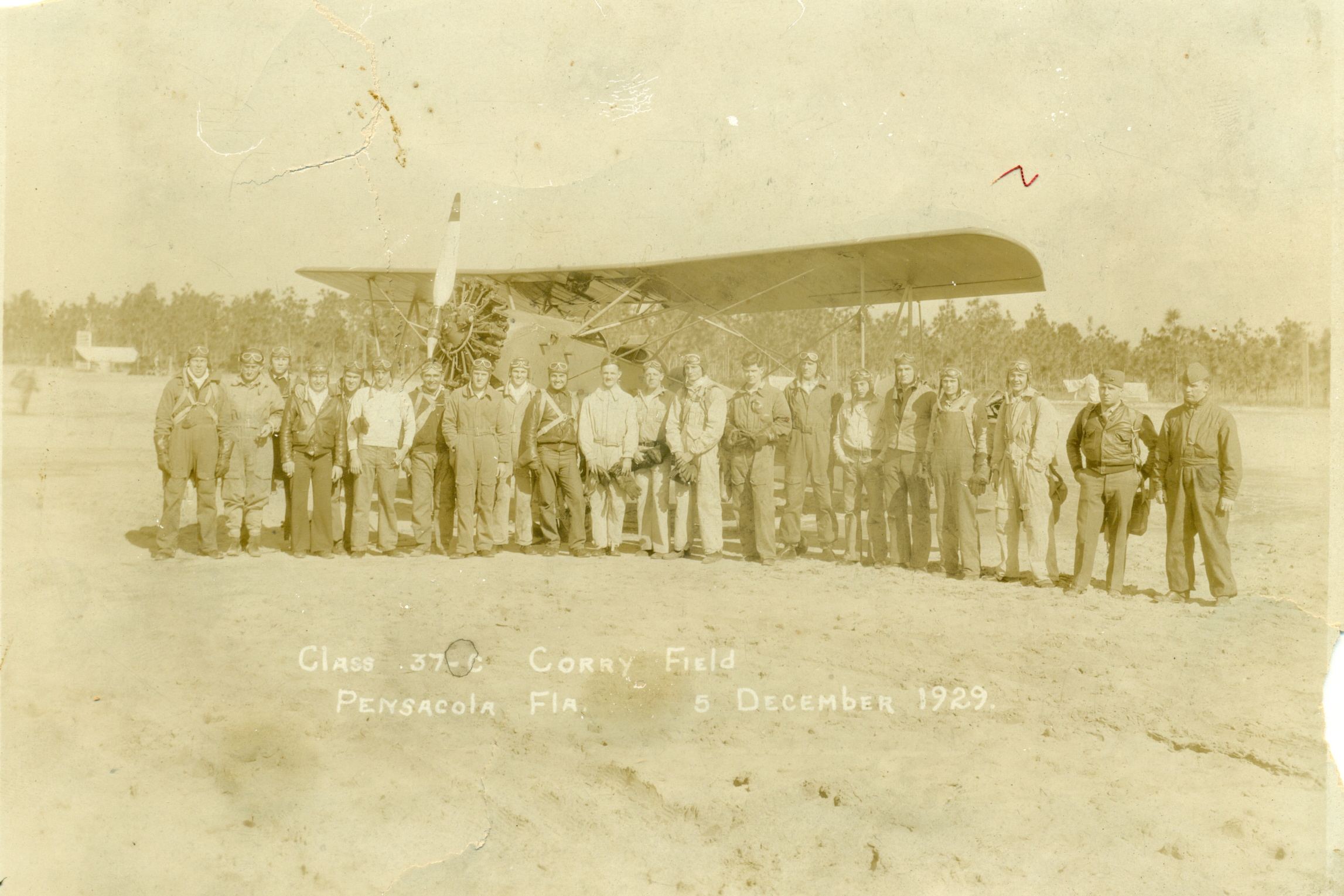
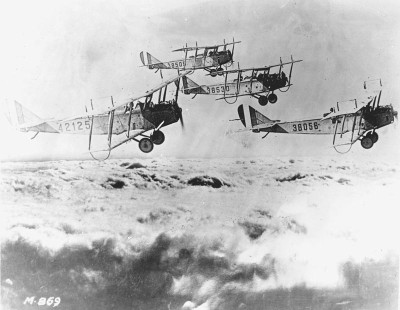
The short version of this tale is Chum survived flight-elimination trials competently handling amphibious Curtiss NC4’s. The next year, he and his compatriots, Class 37C, found themselves soaring over the Gulf in Pensacola, this time in wheeled aircraft. Later his class received their first assignment, shipping out to Coco Solo, Panama.
Life in the Canal Zone was a jungled universe of its own. Military bases dotted the nearly 50 mile stretch of canal, in a mix of both Naval and Army installations. Coco Solo, anchored by the Navy, commanded the Atlantic side, and trained largely in T3M’s, Martin Torpedo Bombers. In simulated war games, the pilots descended until parallel with the sea, then Chum and his fellow pilots would release virtual “payloads” into surface vessels.
In later interviews, an elderly Chum expressed his reservations about the maneuver as far too hazardous for aircraft.
Suddenly, in 1933, Chum up and decided to leave the Navy, though he remained in the Reserves. When asked why, after so much trouble to join, he admitted, “I didn’t much like taking orders.”
Shipping an old Chevy he had purchased in Panama, Chum steamed into New York Harbor in May, 1933. Optimistic and eager to find work, he paid calls on various air carriers from Eastern Transport to National Airways. But no one was hiring. No one. The country and the world, deep in Depression had nothing to offer the young pilot.
Disappointed, Chum rumbled out to Roosevelt Field on Long Island, for a chance meeting with a figure who would change his life.
Howard Ailor, sales representative for Waco Aircraft, took a shine to the young pilot. Repeating the same gloomy job forecast Chum heard elsewhere, Ailor counseled him to make his own luck. The silver-tongued salesman, said what Chum needed was his own equipment, and talked him into buying a brand new Waco C cabin biplane.
And that purchase transformed young Mont’s life.
Next time the Transcontinental Air Race.
Class 37-C, Mont Chumbley is on the far left
Gail Chumbley is the author of River of January, and River of January: Figure Eight. Both titles are available at http://www.river-of-january.com and on Kindle.
A nice review is a welcome gift for any writer. John Vogel of Preserve Old Broadway graciously published this piece today.
We were supposed to start our exploration of The Vagabond King today. It is a wonderful operetta that is based on the life of Francois Villon, a French poet who allegedly rallied the people of Paris to defend the city against the attack of the Duke of Burgundy. In saving the city, Villon also preserved the monarchy in France, in the person of Louis XI.
My plan has been interrupted by an interesting turn of events. I have just finished reading two books, River of January, Part One, and River of January, Figure Eight. If you love history and a rollicking good romance, you need to read these two books, written by Gail Olson Chumbley.
But well you may ask, how did I come to know about these books and its author?
Shortly after I started posting comments and music on this FB page, I noticed a new visitor to the page, Gail Olson Chumbley. I looked her up and found out that she was an award-winning teacher at Eagle High School, Toppenish, Washington before she retired. She met her second husband, Chad Chumbley, in 1994, and Chad regaled her with stories about his parents, Chum and Helen Chumbley. Eventually, Gail, the history teacher, became curious and dug through boxes of old correspondence and pictures and finally interviewed Chum before his death in 2006. What she found was even more impressive than Chad’s stories, because the lives of Montgomery (“Chum”) Chumbley and Helen Thompson Chumbley were intertwined with key events in American history from 1925 to 1955.
Not ever having written a book before, Gail started the arduous task of translating dead archives back into living human beings. This daunting task was made easier because of her two love affairs: she loved Chum and Helen and she loved their son, Chad. Her writing was a labor of love.
I promised I would read her books one day, but my schedule was busy and “one day” kept moving to the right. Gail ended my procrastination by mailing me both books; and at night before I went to sleep, I would read through 30 or 40 pages. Gail didn’t start to write until she wrote these two splendid books, but what comes through is a historian’s love for detail and context. Gail gives the reader both the overview of history (the big picture) and the personal details of the two people she follows. We follow both Chum and Helen separately until 1936, when they met in Rio de Janeiro and fell in love.
Chum enlisted in the Navy and eventually won a spot in Flight Training in Pensacola, FL. He stayed in the Naval Reserves, even after he left active duty, and began a career that revolved around Waco Aircraft, an early pioneer in aircraft design and manufacturing. Chum was one of the few early aviators who came after WWI but was ready to serve once WWII came into focus. He was one of a handful of pilots who started in planes made of wood and ended in the jet age.
Another pilot, who trained at the Army base at Brooks Field, Texas, was Alexis Klotz. Lex also was involved in delivering the mail, although Lex started on the West Coast. Lex ended his career with TWA and offered to show me around the cockpit of the new Constellation when they went into service. Flying the mail from west to east in the winter was hazardous, and many good but not great mail pilots went down in bad weather. In winter, forced landings almost always resulted in death.
When Chum and Lex flew airplanes, the cockpits were open (it got cold at higher altitudes), and the planes had little if any navigation or communication equipment. Many pilots learned the ground terrain, the railroad tracks and other identifying ground markers to guide them during their many hours in the air. Flying was more art than science.
One the other hand, as Gail explains to us, these pilots loved to fly and may have been more comfortable in the air than on the ground.
But that is only half of the story. The other half of the story involves Helen Thompson who, from an early age, was pushed by her mother, Bertha, into dance. Luckily, Helen learned to love to dance and to perform, in general. From ballet, Helen moved into vaudeville routines and eventually ice skating with skating stars like Sonja Henie.
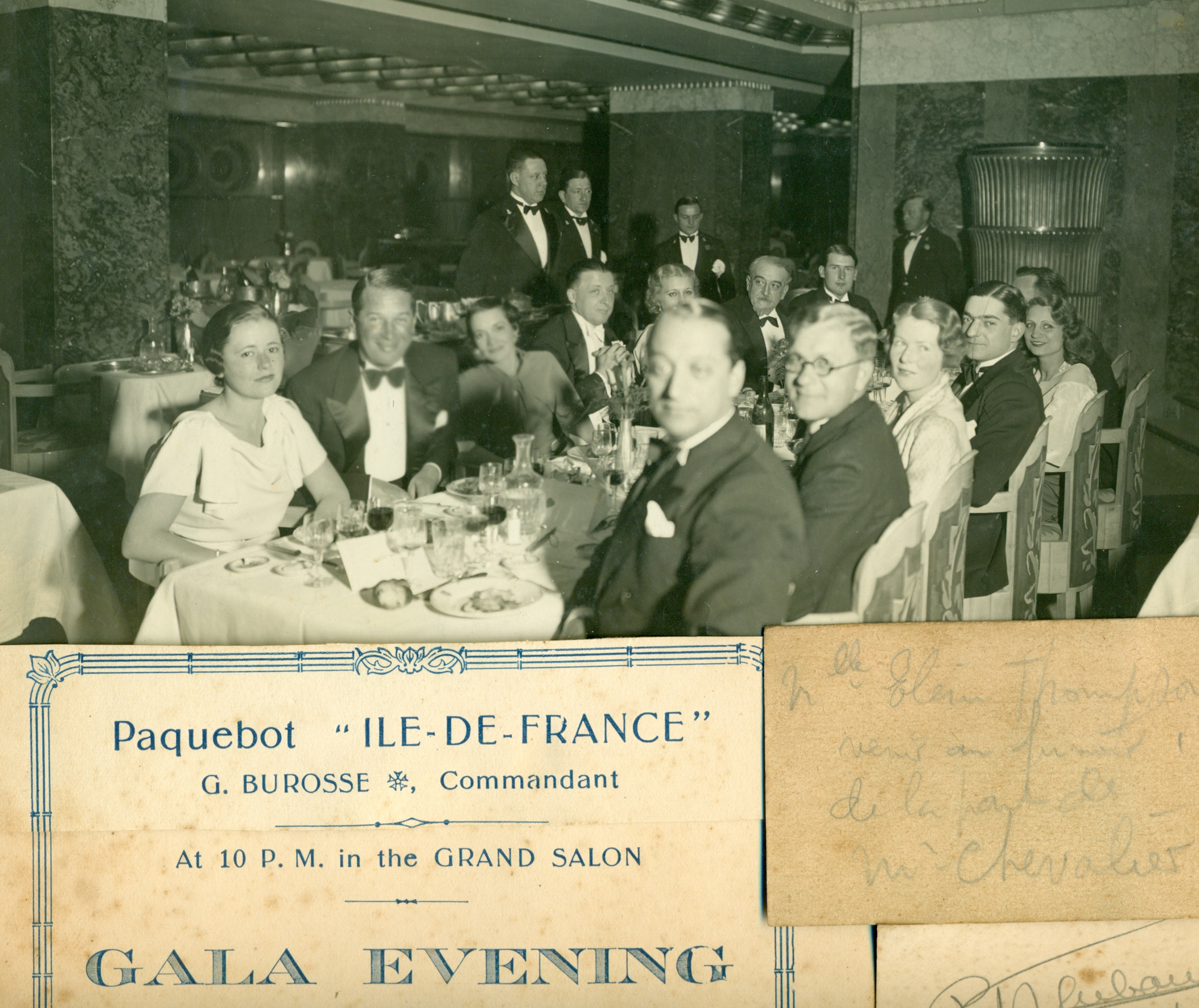
But Helen’s career is only part of her story. At each turn in her career, she met famous people and witnessed key events. Coming home from a European tour, Helen performed onboard at the Captain’s request, alongside another performer named Maurice Chevalier. What was more important was the fact that both performers sat at the Captain’s table. Helen dined with the former President of France, Edward Herriot, on his way to Washington DC to confer with FDR in the mid-1930’s.
It is this constant integration of the big picture of history (Chevalier jokingly asking Herriot if he could save the world from Hitler) with the details of Helen’s dance program that make the two books so charming and engaging. We are reading history from the bottom up, living through periods of time through the eyes of Chum and Helen. And it is a wonderful way to learn and was used successfully by Kenneth Roberts in his many books on the American revolution.
For all of you history buffs who like a good romance story, put away David McCullough for a bit and pick up River of January, Part One, and River of January, Figure Eight.
For more from John Vogel visit Preserve Old Broadway on Facebook.
Colonel Clark used to bring his young son down to the dojo where my brothers took judo lessons. Judo had been my grandfather’s idea and he faithfully chauffeured the boys, and I sometimes came along too.
My Grandpa Ray always sat with Colonel Clark, if the old gent happened to be present. That meant I sat with Colonel Clark, too. The two old men would talk and talk, seated next to one another, though their eyes remained fixed on their boys training on the mats. They never seemed to look each other, but remained absorbed in their conversation.
My own distracted attention span only caught snippets of the murmuring discussion. “MacArthur, Wainwright, and Bataan,” came up in their exchanges And despite my youth, I understood something grave, something momentous lay behind the back and forth of these two men.
My brother filled in the substance of what I reluctantly overheard.
Colonel Clark had been left on the Bataan Peninsula when General Douglas MacArthur evacuated the Philippines in 1942. Under the new command of General Jonathan Wainwright some 22,000 Americans surrendered to Japanese invaders, and among them young Clark. The Japanese summarily ordered this defeated army to march some sixty miles through the jungle. And cruelty became the purpose of the Bataan Death March; heat exhaustion, dehydration, and starvation felled many of these exposed suffering Americans. When a captive stumbled, or fainted, the penalty was an immediate beheading. Young Clark witnessed Hell, and he clearly never separated himself from the ordeal, fused forever into his character.
And that that same ordinary old gent who chatted quietly with my grandfather, had a young son was a miracle. In light of his wartime captivity, Clark should never have survived.
The valiant are everywhere.
For example there was George, the high school janitor.
For many years this little old fellow pushed a mop down the litter-strewn halls where I taught American history. Equipped with two hearing aids, this diminutive man pushed an immense dust mop, wider than he was tall.
To a passing eye George appeared nearly invisible. Just a friendly, gentle, and harmless grandfather.
As I pontificated about D-Day, Tarawa, and the Bulge to sleepy Juniors, a foot or so of mop often slid and stopped by the classroom door. Silent, George hid as I blathered on about the Second World War. A short time later I learned this quiet 80-something had once handled a M-1 Garand, shivering aboard one of those heaving and crashing Higgins boats, churning toward Omaha Beach. George had been in that first wave in June, 1944.
Humbled to learn our little janitor was a living, breathing hero, I became the student. “So George, what do you remember most about that morning?”
The old warrior rasped in a high, faded voice, “It was awful early, and the water was awful cold.”
So understated.
Another veteran crossed my path by the name of Roy Cortes. His son, our school Resource Officer brought Roy by to visit with my students. Another narrative of a remarkable life unfolded.
As a teenager he got a job with the Civilian Conservation Corps. After Pearl Harbor, Roy headed straight to the recruiting office, and into the US Army.
Roy, too, had ferried over from Southampton the afternoon of that bloody day. “What do you remember most about the invasion, Sir?” a student asked.
The affable elder smiled slightly, then a cloud passed over his expression. “I lost everyone in my outfit. I was real scared. Soon I had orders to regroup with other survivors. You see, that was bad because I’m Mexican-American, and my first platoon got used to me, and stopped calling me Juan or Jose. Now I had to start all over with the badgering.
For days, as we moved inland, with these fellas giving me the business. One fella said, ‘Mexicans can’t shoot.’ I said that I could. So he said, ‘Ok Manuel. Show me you can shoot. See those birds on that tree branch up ahead? Shoot one of those birds.’ I lifted up my rifle and aimed at the branch and pulled the trigger.” At that Roy again begins chuckling.
“I missed the branch, the birds all flew away, and twelve Germans came out of the grove with their hands up.”
Astounded, no one spoke. Then a huge wave of warm laughter filled the classroom. Roy simply smiled and shrugged.
Colonel Clark, George the Janitor, and Roy Cortes. They were just kids who’s lives became defined in ways we civilians can never fathom. They were scared, and hot, and cold, and hungry, and suffering, and ultimately lucky enough to come home.
They married, raised families, and move on with life.
That’s All.
Gail Chumbley is the author of “River of January,” and “River of January: Figure Eight,” a two-part memoir Also available on Kindle.
This excerpt comes from River of January, the first volume of the two-volume memoir available on Kindle, and at http://www.river-of-january.com
Two weeks later, a nervous and sleep-deprived Mont Chumbley reported for flight elimination exercises. He joined 125 other candidates; smartly lined up on a long dock, facing the gray, choppy seas of Hampton Roads. From this windy spot would-be pilots underwent demanding instruction in ten-hour heats on various flight maneuvers. Day one: morning-takeoff, afternoon-landings. Day Two: mornings- turns, including the figure-eight, afternoon-climbing and descending turns—all in Curtiss NC4 seaplanes. Their instructors rated them at each step, either passing or failing, with no second chances. The pool of candidates became smaller with each roll call.
Feeling the pressure, the young sailor took special pains to follow protocol. Climbing around on wet pontoons fixed to the underside, Chum examined the biplane as it bobbed on the rolling water. He talked himself through each required procedure, so he wouldn’t overlook any step.
“Oil leaks? Negative,” Chum recited as he performed his pre-flight inspection. “Rudder locks off? Affirmative.”
He continued crawling around the aircraft until he was sure his check was thorough. After the meticulous exterior inspection, he settled into the cockpit.
“Controls? Check. Stick?” He jockeyed the stick left to right then up to down, “Check.” “Ailerons? He wagged the panels, “Check. Gauges?” He examined the calibrations closely. “Check.”
Concluding the pre-flight list, the student-pilot ignited the motor as another crewman propped the biplane’s propulsion blades, quickly, hopping back to the dock.
Chum, still repeating all he was taught, lifted the plane from the rollicking waves and then leveled the wings using the needle ball as he reached altitude. Momentarily surprised with the ease of his lift, Chum relaxed, in control of the little trainer.
“This isn’t that complicated!” the astonished young man marveled. The thrum of the engine seemed calming, and he could practically feel the buoyant pontoons below the fuselage.
“Flying makes sense,” he reflected. “Pull the stick this way, up, reverse the stick that way, down.”
A sense of wonder filled the young man. As if born to fly he intuitively grasped the mechanics. “Flight requires gravity, logic, instinct, and sound equipment.”
The Curtiss biplane read Chum’s mind, rising on a line, descending on an angle, turning on an invisible anchor point. The little aircraft did what he desired.
Of the 126 flight hopefuls, only nineteen succeeded— including Mont Chumbley. The washouts returned to Norfolk to ship out to sea, to labor on the hellacious coal burning tugboats or other maritime duties. Chum gratefully headed for warmer climates—flight training with his class, 37C, in Pensacola, Florida.
Thinking of Commander Seymour Chum had to smile, “Radio school would probably have been too difficult.”
Gail Chumbley is the author of “River of January,” and “River of January: Figure Eight.” Hard copies are available at http://www.river-of-january.com, and on Kindle.
A former student posted pictures yesterday of a cadet event at West Point. In a formal ceremony he and his classmates were presented with gold class rings in what looked like an annual military tradition. According to the post these rings were made from gold melted down from deceased former cadets, and shavings from the remains of the Twin Towers. A moving and inspiring affair for sure.
Parades on Veterans Day, Memorial Day, The Fourth of July, festooned with waving flags, highlight the modern veneration Americans feel for their warriors, past and present. But this honor and respect wasn’t always held for our fighting forces. In fact from the close of World War One in 1918 until the attack on Pearl Harbor in 1941, Americans across the country roundly rejected and criticized anything to do with the armed forces.
As I go about the Northwest, speaking on “River of January,” folks are consistently surprised with the contempt the public held for soldiers and sailors in the book’s setting. The central figure in the memoir, Mont Chumbley shared with me before his death that at the time he enlisted in Norfolk Virginia, signs appeared in city parks warning, “dogs and sailors keep off the grass.” And it is that quote that draws stunned reactions from listeners.
The killing fields of World War One dragged on for three bloody years until America joined on the side of the Allies. Woodrow Wilson, the sitting President betrayed his earlier campaign promise of, “He kept us out of the war,” quickly changing his mind about Europe. He ultimately asked Congress for a declaration of war in April, 1917 to “Make the World Safe for Democracy.” This idealist Chief Executive sent American boys across the Atlantic to remake the world in the image of America’s republican system.
American soldiers, “doughboys,” weren’t in any way ready to deploy, quickly activated and barely trained. Still the recruits and draftees were promptly loaded onto troop ships landing in time to stave off a final German offensive. Gung ho and naïve, US forces made the difference almost at once, charging enemy trenches in blind innocence, with a faith in their youthful invincibility. The exhausted, war-weary combatants, particularly the German “Huns,” soon collapsed, requesting an armistice in November of 1918, ending hostilities.
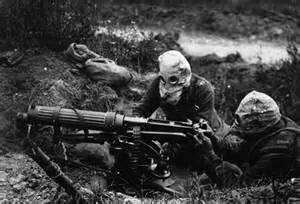
World War One had unleashed unthinkable horrors in tactics and weaponry. Foul sewage-filled trenches, poison gas, machine guns, aerial bombing, torpedo launching u-boats, tanks, barbed wire, and “no man’s land,” sickened the American people. An outraged sense of being duped into war by big business and self-serving politicians became universal.
Beleaguered President Wilson attempted to salvage purpose from the unspeakable carnage with his “Fourteen Point” peace plan, including his “League of Nations,” a forerunner to the United Nations. Citizens universally rejected Wilson’s efforts to remake a peaceful world. In fact, Americans rejected any form of internationalism whatsoever. War was pointless, and the nation resolved to never venture abroad again, period.
An attitude of isolation gelled and hardened into popular opinion for years to come. Any boy who joined the service was considered a no account scoundrel with no ambition, or self respect. It was in this hostile atmosphere Mont Chumbley bucked popular opinion choosing to join the Navy and ultimately fly airplanes.
It came as no surprise that his family vehemently opposed his enlistment plans. The entire clan closed ranks, certain the family name and reputation was at stake, and the boy could not be permitted to sully the rest of them. And that is only a single anecdote of one family in a nation appalled by anything military.
All three branches faced draconian budget cuts in the 1920’s, with more slashed during the Great Depression. Military leaders hustled to find ways to justify their shrinking budgets before Congress. Military planners were met with answers such as that concluded by Congressman Gerald Nye. Results of Representative Nye’s study determined the US only entered the World War to enrich munitions manufacturers and bankers. The Navy had already taken an earlier hit when a moratorium was placed on building any new battleships. America didn’t need them anymore, the country would never go to war ever again.
And that attitude persisted from 1919 to 1939 until Hitler’s blitzkrieg shattered the peace. But even then the US did not involved itself, even as England stood alone before the Nazi onslaught. Instead Congress passed Neutrality Acts tying the President’s hands to help the English. American entry into that war didn’t occur until the Japanese attack at Pearl Harbor two years later, in December of 1941.
The “Long Weekend” starved America’s military for twenty years. That Mont Chumbley managed to join at all, and managed to fly the few aircraft the Navy possessed is nothing less than a miracle. That farm boy from Virginia overcame immense barriers; stiff family opposition, social ridicule, and crossing an immense chasm to become a Navy pilot.
But he did.
Gail Chumbley is the author of the memoir River of January and River of January: Figure Eight. Both are available in hard copy at http://www.river-of-january.com and on Kindle.
 Gail Chumbley