To Jamie At 70

Paling around with you Jamie I always knew something fun, risky, or outright naughty was in store. Boy did you pack some serious confidence in our capers, plus displayed an endless capacity for kindness.

Being this is your birthday I’ve been thinking over our shared escapades and memories, and three moments stand out from our school years.

It must have been around 1968 or ’69 I had a slumber party in our basement. OJ was there, and pretended to sleep while we put her hand in warm water to make her pee. Hilarious. But the high point of that night happened when some boys showed up at the window in the downstair’s bathroom. It was BB, remember him? There were also some other guys but B was the one you ushered through the window.

My heart fell into my feet because my parents were just up a floor and easily could have caught us. Also, your gutsy move in bringing a popular boy into my house was pretty damn cool. And that is a daring that simply reveals your audacity, even as a pre-teen.

Besides B was cute-I can see you nod as you read.

Sometime later, I’m sure there was snow on the ground, you called, inviting me to spend the night at your house. You laid down some big time pressure for me to convince my mom to let me come over. God knows what deals I had to negotiate, but I knew this invite was more of a summons, and I couldn’t refuse. When I got there you were pleased, smiling like the Cheshire Cat. In the living room you turned and put on an album on that stereo in the corner, then handed me the cover. It was the White Album, and you were the first person I knew who bought it. I can’t describe how much that meant, the kind consideration you extended by sharing that treasure with your lucky friend. I still think about that night, especially if a song from that album plays. Thank you again, it was a summons worthy of honoring.

Cocolalla Lake was the site of your most memorable achievement. If you recall my dad took us to our lake cabin in his truck and dropped us off. Debbie W came along and someone else. Maybe you remember our fourth. At any rate, after he left we all talked about how to get beer. We pooled our cash and you walked across the lake to the Sagle Market with somebody, maybe our fourth. All of 16 years old, you must have exuded that Jamie confidence and returned with the goods—a case of Coors. And we had quite the party, peeing outside and playing music at top volume.

A couple of days later my dad came to collect us, again in his truck, and we had tied up 24 beer cans, carefully weighing them down with the garbage we had to haul out.

Sitting on each others laps, it was, after all the early 1970’s, so who needed for seatbelts? As dad hit 60 miles per hour the trash bags started to whip open in the back, and sure enough beer cans popped out like a bag of popcorn. The jig was up and my stomach, once again, fell into my feet, but not you, Jamie. You sat serenely enjoying the drive. I swear you have cast iron nerves. At any rate we returned to Spokane with a much lighter load of trash, and wonderful memories of our weekend.

My dearest friend, your strength, intellect, and creativity made a deep impression on me back in those early days as I am sure it has for many others you have befriended through the years. Enjoy a most happy 70th and continue that honorable path you forged when we were just little girls.

Love you,

Gail

PS-My dad never said a word about the beer cans.

The People Who Own It

And that — that brings me to the second mode of civil disobedience. There’s a time when the operation of the machine becomes so odious, makes you so sick at heart that you can’t take part! You can’t even passively take part! And you’ve got to put your bodies upon the gears and upon the wheels, upon the levers, upon all the apparatus — and you’ve got to make it stop! And you’ve got to indicate to the people who run it, to the people who own it — that unless you’re free the machine will be prevented from working at all!!

Mario Savio, December 2, 1964

The GOP no longer pretends to care about the American people. Icons of wealth and raw power, along with compliant political figures parade in and out of Mar-a-Lago without a self-conscious blush. Former Trump critics now kiss his ring out of fear of disfavor and losing access to power. Many in the press are fearful of Trump as well, evident in the resignation of Ann Tenaes from the Washington Post over the paper’s censoring a critical Bezos cartoon, while NBC has threatened to jettison its progressive sister MSNBC.

At least smiling Ronald Reagan tried to demonstrate some kind of fidelity to American principles as his administration catered to the same rich and powerful.

This incoming crowd isn’t even trying to fake concern.

While America drowns in floods and burns in fire, both symptoms of advanced climate change, Mr. Musk has purchased access to Trump so Tesla can bring in cheaper, skilled technicians for his business operations. Not alone in his subservience, Mr. Zuckerberg too, along with Mr. Bezos, and Sam Altman, have made significant donations to Trump’s campaign while the world drowns and burns. These 21st Century tycoons intend to purchase the vain new president’s favor and clear the way for less public responsibility, and garner even more profits.

You see, in MAGA-world Trump is never wrong. Wrong doesn’t exist. The title “felon” carries no shame among supporters, nor rape, fraud, insurrection, or theft of sensitive US intelligence. Trump’s malfeasance is more a badge of honor with his supporters than a deal breaker.

American propriety and concern for the United States are sentiments of another, past era. Statesmanship, decency, and integrity are long gone. In the last days of the 2024 campaign Donald Trump mimed oral sex with his microphone, and no one at the rally appeared offended, not even so-called Christians. In any reality would President Carter had done such a thing? Would President Bush? Moreover, MAGA supporters self-righteously wrap themselves in neo-fascist certainty, nurtured by a steady diet of propaganda and misinformation. There is no longer a bottom.

Overseas enemies are delighted. Putin and Xi have waited a lifetime to overrun the United States. That simple fact should give us all pause on the political state of the nation. The Kremlin and Beijing are reveling in the certainty of easy access to the inner sanctum of American security.

And why wouldn’t they be?

Facebook CEO Mark Zuckerberg has made known he will no longer fact check posts plastered across his site. This is the same Mark Zuckerberg who threw Trump off Facebook not so long ago for disseminating misinformation. That Zuckerberg seemed to care about the country that has made his fortune. Adding insult to injury this same 21st Century robber baron announced the company will no longer practice diversity in hiring Facebook employees.

His decisions are unacceptable and unAmerican.

Though it certainly makes no difference in the larger scheme, I have decided to take a tiny seed of action by closing my Facebook account. As a writer, Facebook is a convenient way to publish my work as it appears also on Threads and Instagram. However, as Mario Savio so eloquently stated in 1964, I can no longer participate. My spirit is thoroughly sick and outraged with the alarming direction the Republican Party has eagerly chosen to sell out our nation for their 30 pieces of silver.

Though the gears and wheels have been replaced by motherboards, and circuits, the principle holds. The machine requires the public to participate, to provide the metaphoric oxygen for it to survive. And it is down to us alone, the American people. We must demand fair play and decency from the powerful.

If you feel the same please share this post, I know I can’t be alone in my objections.

Gail Chumbley is the author of the two-part memoir River of January and River of January: Figure Eight. Chumbley has also written three plays, Clay, Wolf By The Ears, and Peer Review, exploring the life of Henry Clay, the advent of chattel slavery, and four visits to DJT from past presidents.

chumbleg.blog

Unexpected Inspiration

Dear Helen and Chum

I’ve neglected you since publishing your story, and I regret my doubt-inspired silence.

The delight of researching the both of you, made clear that you lived more life than I’ll ever see in mine. Risk, peril, glamor, and ambition. You put yourselves out there, and is the best story, ever.

I wrote those books wracked through with feelings of inadequacy. Possessing little experience as a writer, I took on both volumes largely on my own and finished them, impatiently pushing the story out to the world, mistakes and all.

Still, I’m not sorry to have narrated your journeys, it’s the most kick ass true story I’ve ever encountered. 

Fear and confusion froze this greenhorn in her tracks. I am guilty of getting in the way of sharing your adventures, and reliving your forever love story. Forgive me. I presumed this 20th century saga belonged to me, but that is not so. Truly, there would have been no books at all, without your daring and triumphs to inspire me.

These books were not a mistake. 

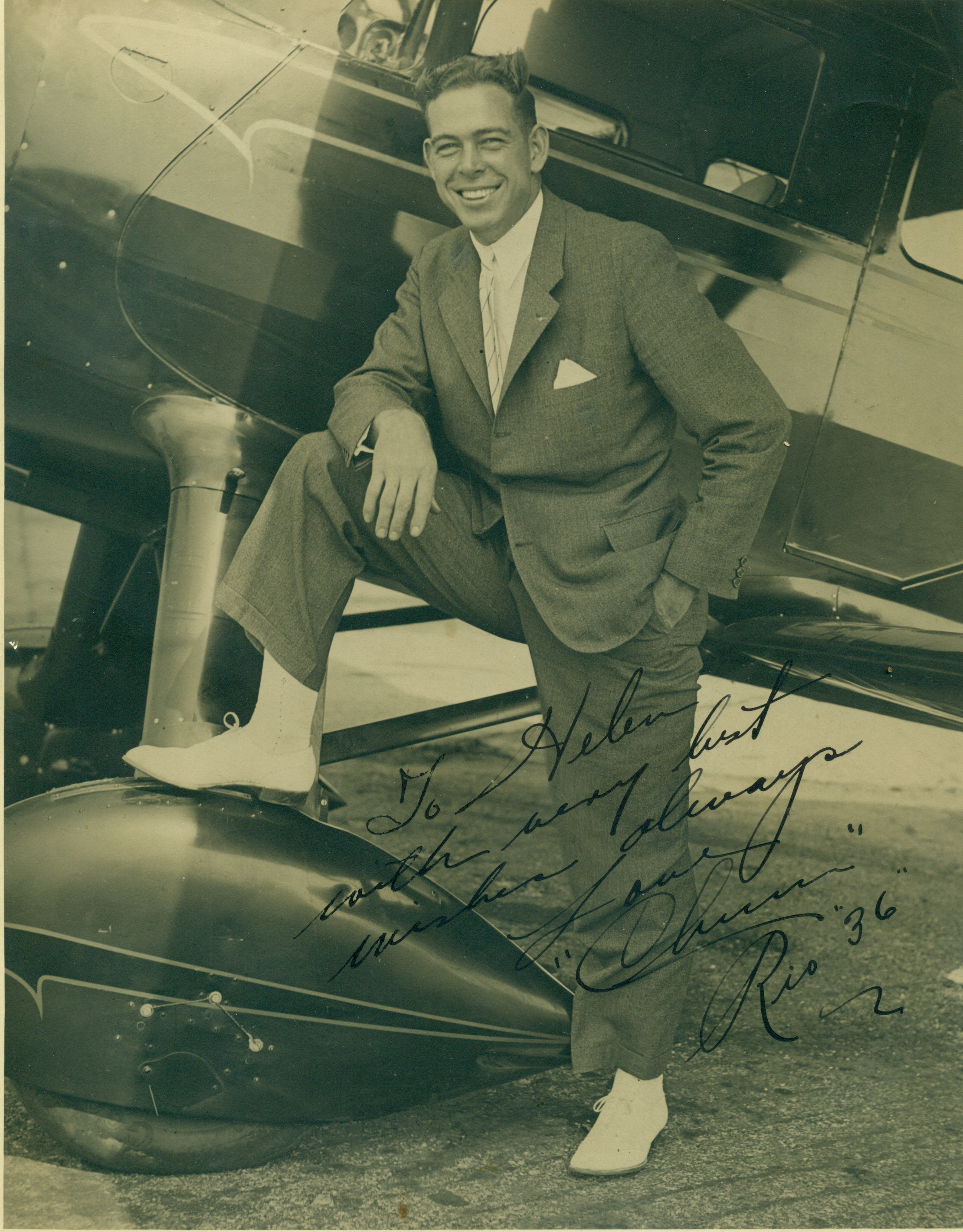
Chum, you squared your shoulders, took a deep breath and strapped into that cockpit, forging a career of monumental consequence. The victor of the 1933 Darkness Derby, you braved the night skies over a sleeping America. Flying your mighty Waco aircraft, you touched down at Roosevelt Field where Lindbergh and Earhart began their storied flights. Later, in defense of democracy, you piloted US invasion orders through a dangerous South Pacific typhoon, tossed and slammed by up and down drafts, to complete your mission.

And to you sweet Helen, though we never met in this life, you inspired the entire effort. It was that first visit to your Miami home when something stirred inside me. A unexpected inspiration. Remember that black and white glossy? The portrait of a sultry platinum blonde? You know the one. Chum had it up in his room until the end.

That photo triggered a spark, a slow burning fire I could not ignore. This story had to be shared. The European tours, dancing, dinner with Maurice Chevalier, cruises across the Atlantic on the SS I’le de France, vaudeville with comedians Jans & Whalen. Then off to Rio de Janeiro you sailed, opening at the Copa Cabana. And after your marriage to Chum, and the war broke out you took up ice skating, performing nightly for Sonja Henie’s productions at Rockefeller Center. My God! What a life.

“River of January” is done, as is the sequel, “River of January: Figure Eight.” Preserved in the pages is magic, whether in the sky, on the sea, under the footlights, and revolving across shimmering ice. This story crackles with your energy.

This won’t be neglected any longer. I’m getting out of your way.

With Love, and Eternal Admiration,

Gail

Gail Chumbley is the author of the two-part memoir “River of January,” and “River of January: Figure Eight.” Both titles are available on Kindle.

gailchumbley@gmail.com

Cocolalla

73115959-SLD-004-0017

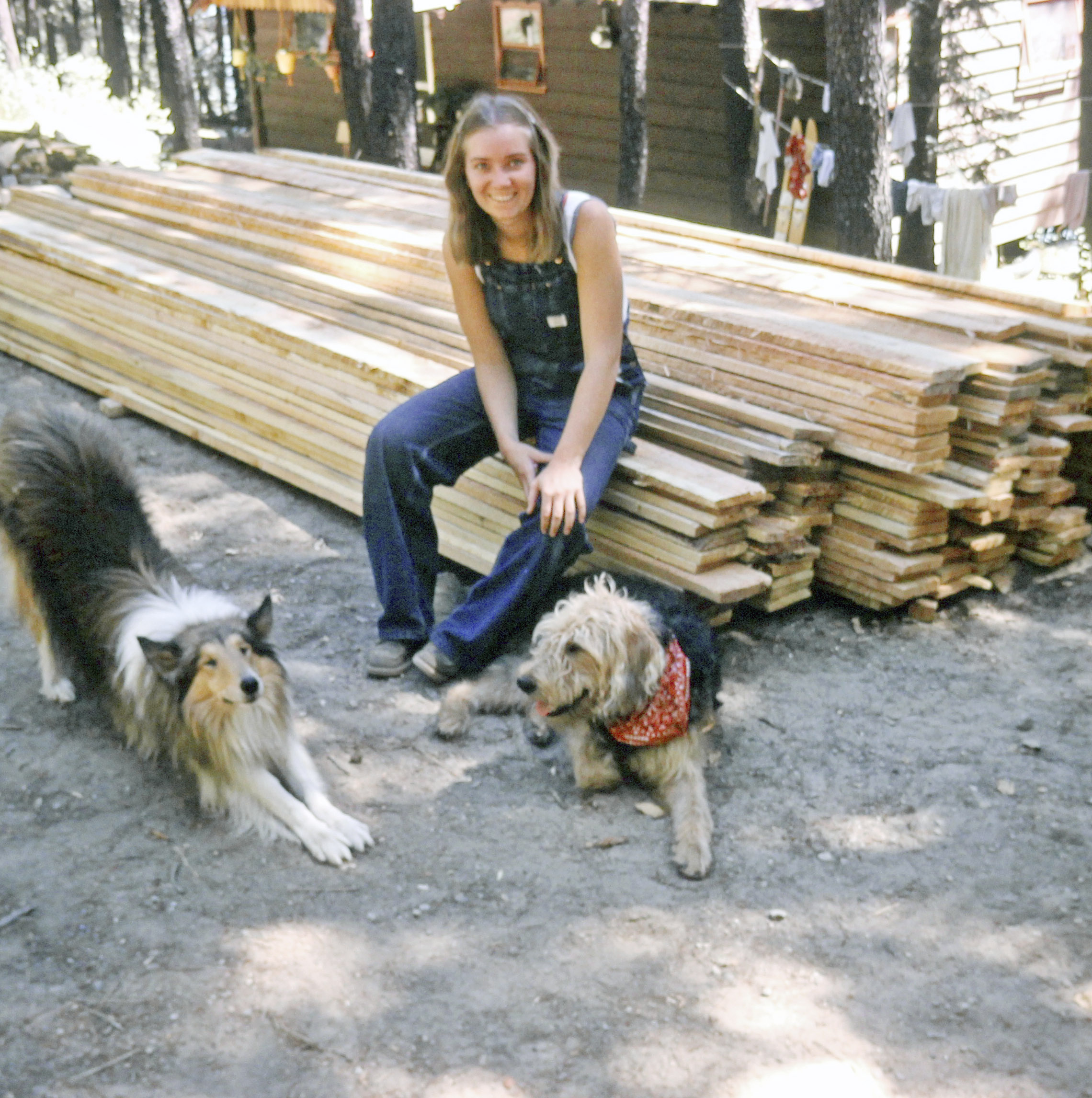
We had two cabins on a small lake in Northern Idaho.

Located between Lake Coeur de Alene, and the Pend Oreille, our little acre overlooked tiny Cocolalla, with large windows where we could watch the waves lap up on the beach. The original structure we astutely named the Little Cabin, later followed by the larger Big Cabin. This bigger cottage had been built with all the amenities of home; running water–hot and cold, a tub and toilet, a full kitchen, and electric heat.

Those early weekends in the Little Cabin hold many good memories. All of us crammed into that tiny wood box, the unfinished walls festooned with a lifetime of greeting cards, a big enameled wood stove, and a porcelain basin for washing dishes. Grandpa got his hands on a tall steel milk can and commandeered it for enough drinking water to get us through the weekend. As for entertainment, Grandma had an old radio that blasted the most impressive static, interspersed with Roy Orbison or Andy Williams fading in and out.

Once the Big Cabin was completed and my grandparents moved in, the smaller cabin was demoted to storage. It also housed a set of bunk beds, a fold-down couch, and one double bed; useful for my brothers who were just getting bigger. Now, in addition to greeting cards, the cabin stored every variety of water equipment. Fishing poles, life jackets, oars, and an outboard motor clamped to a metal barrel, with stacks of beach towels the size of blankets.

As I recall, a constant grit of sand coated the linoleum floor.

The property was my grandparents retirement dream, but a dream they happily shared with the rest of us. I knew, even then, that I was always welcome, always.

My grandpa was an early riser, a product of a lifetime as a mailman. He didn’t want to tiptoe around a little kid sleeping on his sofa at five in the  morning. At bedtime my grandmother and I made our way to the Little Cabin in the dark by flashlight. Under the covers of  the double bed, I would chafe my feet deep under the sheets to warm my toes. As we grew settled and peaceful she would begin to reminisce, talking to me for hours in that darkness. I learned of her life in those moments, warm in that cozy bed, listening to her voice, breathing the scent of the evergreen forest.

She told me of my biological grandfather, her first husband, who had left her bereft and penniless after my mother had been born. Despite the Depression, he liked to gamble away their money. My Grandma had to leave him and she struggled to find work as few jobs existed. Forced to farm out her daughter, my mother, in various homes, her the guilt still haunted her. Clearly it still broke Grandma’s heart that she was forced to separate from her little girl for months at a time. I could hear a wound that could never heal.

As the night grew deep, crickets and bullfrogs began to chorus. Flanked next to her, and pressed against some greeting cards, I prayed I wouldn’t spoil the magic by having to go potty. She kept, beneath the bed, a Chase and Sanborn coffee can that I hated to use. It felt cold and left rings on my little bottom. Still, considering options, the can was more appealing than a journey to the outhouse. Using that creepy outhouse in the daytime was bad enough, but at night unthinkable.

Finally poking her lightly, I would tell her. And she never hesitated. Showing no impatience at all, Grandma seemed to make my problem her own, reaching for the flashlight and finding that rusty can. She held the light on me so I could aim properly, then back into the warm bed. No recriminations.

She loved me.

I loved her.

Today my husband and I live in the woods. We don’t have a lake, but a river runs near and we can hear it on very quiet nights. I relax in my cozy bed in the darkness and listen to the crickets and bullfrogs, while breathing in a scent of pine. A sense of complete security, of love, of acceptance returns, synonymous with the love of my grandmother. She was home for me, and though gone these many years, my mountain cabin still echoes with her voice.

Gail Chumbley is the author of the two-part memoir “River of January,” and “River of January: Figure Eight.” Both are available at http://www.river-of-january.com and on Kindle.

gailchumbley@gmail.com

Peer Review #3

The military choir filed out of the Entrance Hall in a precise formation, trailed with a warm wave of applause. The President had enjoyed the evening performance, and bristled that no reporter had stayed to detail the concert for the public. “This is the kind of story real Americans would like to see on the news,” he complained, as he shook hands and chatted with departing well-wishers. 

The grand chamber soon emptied and the White House staff swept in, quickly stacking chairs, breaking down risers, and disconnecting sound equipment. The President turned from the racket, and headed toward the white Doric columns separating the hall and staircase. And it was there, beside an alabaster column, that the President stumbled upon a most unexpected visitor.

Lounging against the smooth white marble leaned a tall, lanky gentleman dressed in an antiquated silk dressing gown, white hose, and embroidered slippers. The man cooly assessed the stunned President.

“Are you familiar with the story of John Peter Zenger” the intruder murmured in a soft drawl. 

“Why are you still here? The entertainment left that way,” the President snapped, thumbing toward the side entrance.

“Zenger, a German immigrant, edited and printed a newspaper in New York,” the visitor continued, calmly shifting his position against the pillar. “Zenger had published an unflattering editorial of New York’s Colonial Governor, and the testy royal had the journalist jailed, charged with libel.”

The President, annoyed by the imposition, wanted to hurry up the stairs to his living quarters, but his legs remained stubbornly rooted in place. 

“Well, that Zenger character deserved it, he barked, unable to control his tongue. “Reporters need to watch what they write, and who they offend—like me. I’m the President, and they say terrible things about me, all lies and more lies.”

The tall figure crossed his arms and looked evenly at the President. “A jury of Zenger’s peers acquitted him, opining that if truth was stated, there is no libel,” the stranger subtly smiled. “That particular case established freedom of the press in this country, a principle I later insisted appear in the Bill of Rights.” 

“Do you understand how much I could accomplish if . . .”

The apparition spoke quietly over the President. “I, too criticized a president bent on stifling  free expression” the visitor thoughtfully paused. “President John Adams supported passage of the Sedition Act in 1798 to silence critical voices such as mine.” 

The oddly dressed gentleman began drifting through the pillars into the Entrance Hall, as if floating on a sudden breeze. Unwillingly, the President followed. “I’m particularly fond of this room,” the visitor whispered, “it was the only finished room in my time.”

“The press wants to destroy my administration,” this time the President spoke over his visitor. “With their unlimited snooping, the constant leaks, and the treasonous things they say about me on cable tv.”

The apparition appeared indifferent to the President’s complaints. “A particular writer, James Callender, cast enough aspersions upon Mr. Hamilton and Mr. Adams, that he found himself jailed under the Sedition Act. Once I moved into this House, I pardoned Callender, and hired him to again take up his poison pen.” The spirit seemed sadly amused, “when I refused to appoint Callender to a government post, his pen turned full force upon me, exposing my deepest, most safeguarded secret.”

“The Sedition Act. I like that,” the President beamed, indifferent to the visitor’s revelation. “What’s the matter with my lawyers. They never told me we have that law.”

Instantly the apparition jutted his face directly into the startled President’s. “You must not respond,” he breathed.  “You must ignore what is written and reported regarding your administration. Never, never challenge the freedom of the press, to do so diminishes the office of chief executive, exposing you as petty and small.”

“But the Sedition Act says . . .” the President squeaked, unnerved.

“Is unconstitutional,” the visitor finished the sentence. “I, too, resented what appeared in the press, besmirching my personal life, and my family. However, I resolutely remained aloof to the reports. And so must you.” 

The visitor began to sound weary, worn by the conversation. “I once stated that if I had to choose among the freedoms enumerated in the First Amendment, I would preserve Freedom of the Press. With that liberty secure, all others are assured.

As the visitor finished his statement, he lifted his eyes to some mysterious point above, and vanished. 

Dismayed by the experience, the President scrambled up the stairs.

Gail Chumbley is the author of the two-part memoir “River of January,” and “River of January: Figure Eight.” Both books available on Kindle, or at http://www.river-of-january.com.

gailchumbley@gmail.com

Peer Review #3

The military choir filed out of the Entrance Hall in precise formation, trailed with a warm wave of applause. The President had enjoyed the evening performance, and bristled that no journalists had reported on the concert for his base. “This is the kind of story real Americans would like to see on the news,” he complained, as he shook hands and chatted with departing well-wishers. 

The grand chamber soon emptied and the White House staff swept in, quickly stacking chairs, breaking down risers, and disconnecting sound equipment. The President turned from the racket, and headed toward the white Doric columns separating the hall and staircase. And it was there, beside an alabaster column, that the President stumbled upon a most unexpected visitor.

Lounging against the smooth white marble leaned a tall, lanky gentleman dressed in an antiquated silk dressing gown, white hose, and embroidered slippers. The man cooly assessed the stunned President.

“Are you familiar with the story of John Peter Zenger” the intruder murmured in a soft drawl. 

“Why are you still here? The entertainment left that way,” the President snapped, thumbing toward the side entrance.

“Zenger, a German immigrant, edited and printed a newspaper in New York,” the visitor continued, calmly shifting his position against the pillar. “Zenger had published an unflattering appraisal of New York’s Colonial Governor, and the testy royal had the journalist jailed, charged with libel.”

The President, annoyed by the imposition, wanted to hurry up the stairs to his living quarters, but his legs remained stubbornly stuck in place. 

“Well, that Zenger character deserved it, he barked, unable to control his tongue. “Reporters need to watch what they write, and who they offend—like me. I’m the President, and they say terrible things about me, all lies and fake news.”

The tall figure crossed his arms and looked evenly at the President. “A jury of Zenger’s peers acquitted him, opining that if truth was stated, there is no libel,” the stranger subtly smiled. “That particular case established freedom of the press in this country, a principle I later insisted appear in the Bill of Rights.” 

“Do you understand how much I could accomplish if . . .”

The apparition spoke quietly over the President. “I, too criticized a president bent on stifling  free expression” the visitor thoughtfully paused. “President John Adams supported passage of the Sedition Act in 1798 to silence critical voices such as mine.” 

The oddly attired gentleman began drifting through the pillars into the Entrance Hall, as if floating on a sudden breeze. Unwillingly, the President followed. “I’m particularly fond of this room,” the visitor whispered, “it was the only finished room in my time.”

“The press wants to destroy my administration,” this time the President spoke over his visitor. “With their unlimited snooping, the constant leaks, and the treasonous things they say about me on cable tv.”

The apparition appeared indifferent to the President’s complaints. “A particular writer, James Callender, cast enough aspersions upon Mr. Hamilton and Mr. Adams, that he found himself jailed under the Sedition Act. Once I moved into this House, I pardoned Callender, and hired him to again take up his poison pen.” The spirit seemed sadly amused, “when I refused to appoint Callender to a government post, his pen turned full force upon me, exposing my deepest, most safeguarded secret.”

“The Sedition Act. I like that,” the President beamed, ignoring the visitor’s revelation. “What’s the matter with my lawyers. They never told me we have that law.”

Instantly the apparition jutted his face directly into the startled President’s. “You must not respond,” he breathed.  “You must ignore what is written and reported regarding your administration. Never, never challenge the freedom of the press, to do so diminishes the office of chief executive, exposing you as petty and small.”

“But the Sedition Act says . . .” the President squeaked, unnerved.

“Is unconstitutional,” the visitor finished the sentence. “I, too, resented what appeared in the press, besmirching my personal life, and my family. However, I resolutely remained aloof to the reports. And so must you.” 

The visitor began to sound weary, worn by the conversation. “I once stated that if I had to choose among the freedoms enumerated in the First Amendment, I would preserve Freedom of the Press. With that liberty secure, all others are assured.

As the visitor finished his statement, he lifted his eyes to some mysterious point above, and vanished. 

Dismayed, the President scrambled up the stairs.

Gail Chumbley is the author of the two-part memoir “River of January,” and “River of January: Figure Eight.” Both books available on Kindle, or at http://www.river-of-january.com.

gailchumbley@gmail.com

gailchumbley@gmail.com

Quebec City 1939

The following is an excerpt from “River of January: Figure Eight, available at http://www.river-of-january.com and on Kindle.

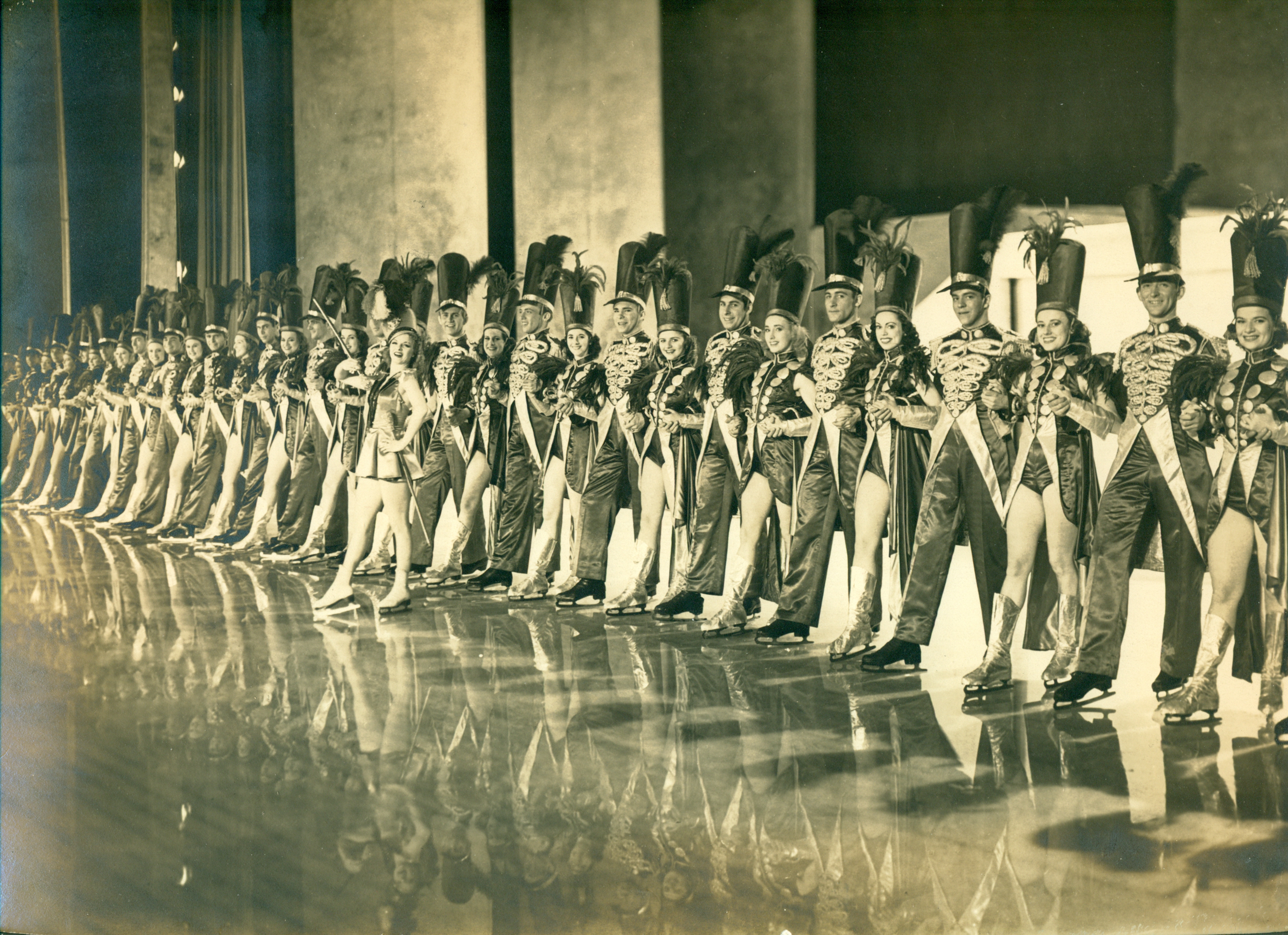
Costumed in tall Hussar caps and military jackets resplendent with gold brocade, the skaters stood expectantly in their V-shape formation in the shadows. Helen, arms twined around the skaters beside her, shivered from a combination of excitement and the frigid draft wafting from the ice. Her ears thudded, inundated by the echoing din from the impatient audience. Much louder than a theater, she thought.

Vera Hruba—a Czech Olympian who was one of the three women headliners in the new production—was positioned at the apex of the V. When the last measures of the orchestra’s overture faded to a close, the house lights darkened and the expectant spectators fell silent. With a commanding flourish, the opening bars of a military march surged to all corners of the house. Spotlights swept over the glittering skate line as Helen pushed off with her left foot, in sync with the tempo. Following two more beats, Hruba burst from the crux of the and raced the circumference of the rink, spotlights holding tight to her revolutions. The audience roared their appreciation in waves of echoing applause. Helen’s first ice show had begun.

If rehearsals were any gauge, Helen was confident the show would be a success. The chorus line often lingered along the rail, chatting and stretching, as they waited for the director to call them onto the ice. “That’s Vivi-Anne Hulten. She’s Swedish,” Clara Wilkins whispered, leaning in, as she and Helen studied the soloist on the ice. “She’s been skating since she was ten,” Clara added, as Hulten executed a perfectly timed waltz jump. “Boy, that little Swedish meatball knows her footwork.” The girls standing nearby murmured in awed agreement.

Chestnut-haired Lois Dworshak sprinted past the attentive chorus line. Helen glanced again at her well-informed friend and Clara didn’t disappoint. “She, Lois there, is a bit of a prodigy. She skated a little as a kid in Minnesota, but hasn’t actually skated professionally all that long. She’s good too, huh?”

“Jeepers, you can say that again,” Helen muttered.

“But the real story in this cast is Vera Hruba.” This time, it was May Judels, the head line skater standing next to Eileen, who spoke up. All eyes shifted toward May. “Vera met Hitler, just like Sonja Henie did, at the Olympics in Berlin. She finished her freestyle routine and came in pretty high, I think. Vera didn’t medal or anything, but still skated a pretty good program.”

“So what happened?” asked another girl, Margo.

“Hitler says to her, ‘How would you like to skate for the swastika?’ And Vera—she doesn’t much like Germans—told him she’d rather skate on a swastika!” Heads turned in unison, watching as Vera completed a flying camel. “So”—May sighed—“to make a long story longer, Vera and her mother left Prague in ’37 as refugees. Then the Huns marched in, and Hitler made a public statement that Vera shouldn’t wear Czech costumes or skate to Czech folk songs. He said Czechoslovakia was gone, never to rise again. Vera responded, saying she’d always be a Czech and that Hitler could, in so many words, go fly a kite.”

“Their own little war . . . now that’s guts,” Helen said, her eyes returning to center ice. “Makes Henie seem like even more of an apple polisher.”

“A swastika polisher,” Margo corrected, as the director motioned the giggling chorus to center ice.

Gail Chumbley is the author of “River of January,” and “River of January: Figure Eight.” Available at http://www.river-of-january.com and on Kindle.

One Thing Leads to Another


IMG_1500

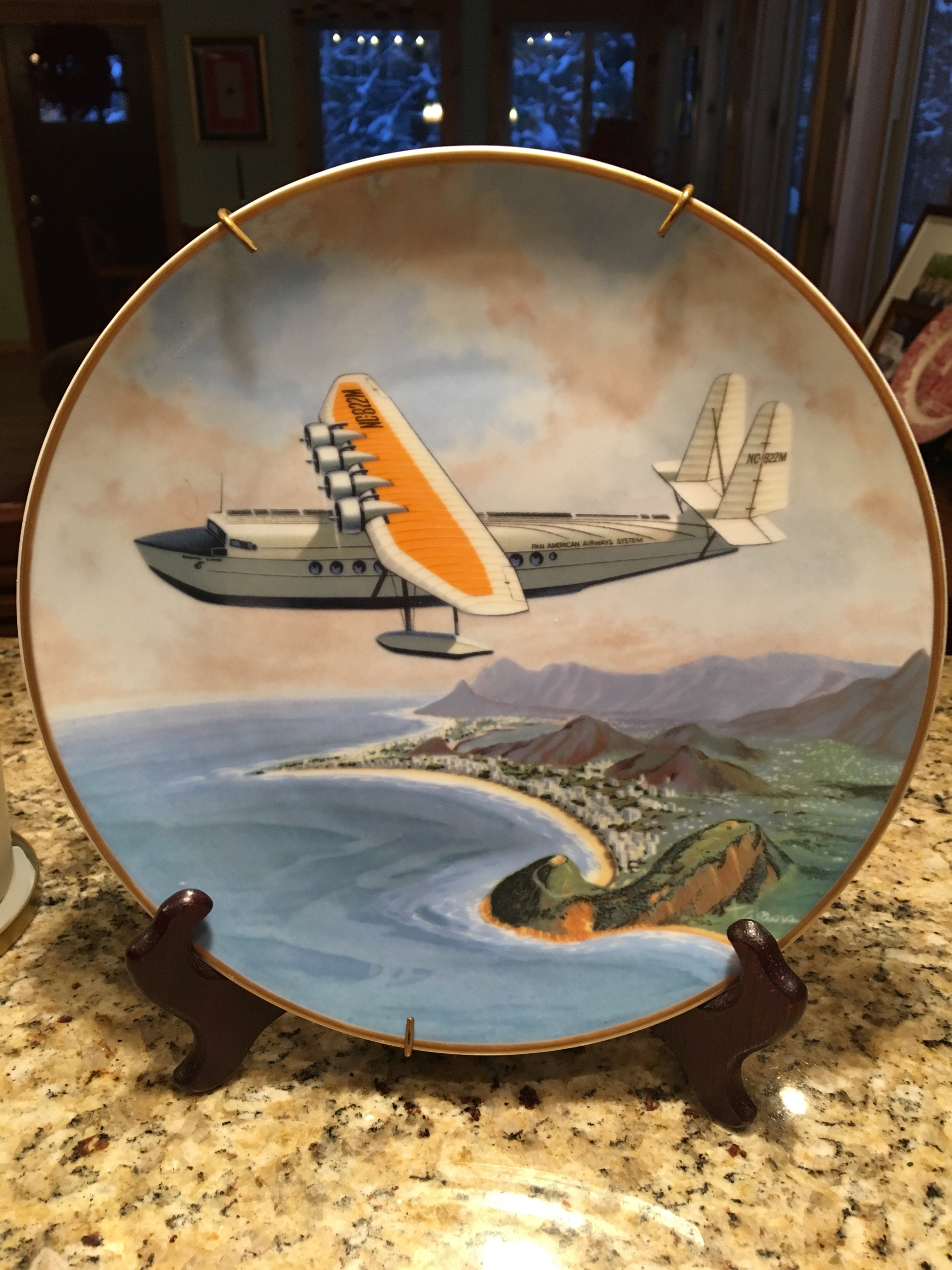
PanAm Flying Boat 


As many of you . . . some of you. . . well, none of you know, Jeff Bezos is out to get me. So jealous, is old Jeff, that he monkeyed with my book pricing on Amazon, charging upward to $600 for my $15.99 book, “River of January.” But I showed him. I not only took that title down, but the second part of the memoir, “River of January: Figure Eight” as well. Let him agonize that defeat. This blow could bring the company to its knees. 

But, I am not without a trace of mercy. If one, or even two of you were inclined, both books can still be found on Kindle. If a reader’s taste runs toward nonfiction, with a yearning to relive an earlier era; a time of air races, world travel, Hollywood glamour, Vaudeville productions, Sonja Henie ice shows, and World War Two, I’ve got the story for you. Even Jeff understands blockbusters, like “River of January,”  cannot be  forever muzzled.

During this long overdue separation with Bezos, I’ve dabbled in another, new to me, format—writing plays. With my script writing partner, Ray Richmond, (yeah, we have written a script) we’ve committed to highlight historical figures who are important, but lesser known. Our first effort, still in progress, covers the life of Antebellum Senator, Henry Clay, and his herculean efforts to stave off Civil War. I’m not sure that writing plays is any easier than big girl chapter books, but I like the process better. And noble Henry Clay is an inspiring muse.

If anybody out there has wondered what became of Gail, and her endless accolades of Helen and Chum, I am quite well and still preaching the gospel of “River of January.”  

Without the experience of writing these two books, playwriting would never have touched my life. Please watch for more announcements on “Clay,” and if you think “River” and “Figure Eight” is a good reading fit follow the hyperlink.

Together we will shall ‘mean girl’ Jeff Bezos. 

For hard copy books, www.river-of-january.com

On Kindle https://www.amazon.com/s?k=river+of+january&ref=nb_sb_noss_2

Gail Chumbley is the author of the two-part memoir, River of January, and River of January: Figure Eight.

Photo credit, Mary Sederstrom Smith

gailchumbley@gmail.com