Saddle Shoes, Florida, & Rosalie Sorrels

Screen Shot 2017-06-17 at 4.24.53 PM

I never imagined a living legend would grace my home.

The weather had finally turned at the cabin; brief, chilly showers shifting into warm sunny intervals–golden debris blowing across the deck. I had given up clearing away leaves and pine needles, settling instead for mopping rainwater off of plastic chairs. In our cabin for less than a year, my husband and I had volunteered our small place to host a fund raiser for two local candidates running for county offices.

Guests began arriving in late afternoon, carting in plates of finger food and bags of chips. Visitors commandeered my little kitchen, quickly producing cheese & meat trays, while toasting garlic bread in the oven. Shuffling knives and serving spoons, I glanced up to an opening door to greet one of the arriving candidates. Her husband followed her bearing a big smile and carrying an old fashioned squeeze box—a melodeon. I sensed a forthcoming singalong.

I vaguely recognized the third visitor passing through the threshold. After introductions were made, the mystery cleared; the lady was legendary folk singer, Rosalie Sorrels. She had driven over with the candidate and her husband, as they were friends from the other side of the county. I had seen Sorrels before in concert, and honestly grew tongue-tied meeting her in person.

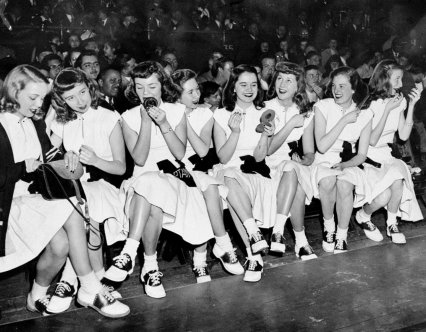
The room filled and the evening warmed–mellowed by good wine and friendly camaraderie. Ms Sorrels drifted around the room, chatting here and there, while perusing our limited artwork. She admired, in particular, a panel of over-sized Florida scenes, soon sharing tales of chauffeuring her children through the Sunshine State many years earlier. At one point, she and I shared a moment out on that leaf-strewn deck, agreeing that cutting down a tree, even as a safety measure, was still a shame. But the big conversation that memorable night centered on my footwear, a pair of vintage saddle shoes.

One woman told us that at her California high school everyone called these shoes Oxfords, and were acceptable only in white. Ms. Sorrels happily joined in with a story of her trusty black and white pair. Mine were coffee and cream, the same as I wore when I attended grade school. Odd, but in that moment we all seemed to channel our long ago girlhoods; guarded adult caution melting away in the banter. Animated with a gentle, expressive smile, Rosalie, too, swapped memories, chuckling along with the rest of us.

As dusk fell, and lamp light filled the house, our company began to depart. There were long drives ahead, and people needed to get going. My husband and I waved goodbye, pleased we had opened up our home for the event. And in the following days we shared with anyone who would listen that Rosalie Sorrels visited our cabin. If they didn’t recognize the name, they did after we were through singing her praises.

That was nearly ten years ago.

When it came across the news last week that Sorrels had passed away in Reno, my mind traveled back to that singular Fall evening. I recognized then, and I still believe, that the cosmos handed us a mighty gift in that visit, of a luminary who had once driven to Florida with her kids and, like the rest of us wore saddle shoes.

Gail Chumbley is a nationally recognized history instructor, and the author of the two-part memoir, River of January and River of January: Figure Eight. Also on Amazon.

Always On My Mind

fullsizeoutput_55c

Had a six-plus hour drive today; Salt Lake City to my mountain cabin in Idaho. Lengthy car-time, for this Indie writer, always results in exploring fresh ideas for book marketing. I don’t say much to my family, but promoting the two-part memoir, “River of January,” and “River of January: Figure Eight,” is never far from my thoughts, and I’m pretty sure this is true of fellow writers.

Finally made it home, chatted with the husband, did a little of this and that, then idly picked up today’s newspaper. Now, I’m not an avid follower of the mystic, but being an Aquarian, (there’s a song about us, you know) I sometimes do indulge. And, as you can see the cosmos told me to do this, so by damn, I am.

Dear reader, if you enjoy a true American story, set in the American Century, get River of January and River of January: Figure Eight. In the pages, you will experience adventure, travel, glamour, and romance. Aviation enthusiasts relive the thrills and peril of early flight, theater fanciers follow an aspiring dancer as she performs across international stages, and takes her chances in Hollywood.

Take it from the author–in peacetime and in war–this two-part memoir is richly entertaining.

http://www.river-of-january.com. Also available on Amazon.com

Gail Chumbley is an award winning instructor of American history and the author of the two-part memoir, “River of January.”


Tagwords

World War One, The Great Depression, Vaudeville, Golden Age of Aviation, Amelia Earhart, Golden Age of Hollywood, Rise of Fascism, Waco Aircraft, Professional Ice Skating, Sonja Henie, World War Two, Battle of the Atlantic, Pearl Harbor, War in the Pacific, Cold War, Sun Belt, America as a World Power.

Get the two-part Memoir, River of January and River of January: Figure Eight and connect these fascinating dots. Also available on Amazon.com

If you’ve enjoyed this adventure, leave a review on Amazon.com. Thanks, Gail.


To Capture War

th

I came of age during the lengthy era of the Vietnam War.

This so called “police action” began quietly as a post-WWII policy challenging Communist expansion. Vietnam had been divided as had Germany, China, and Korea, leaving a divide of western leaning democracies pitted against Communist dominated systems. America’s commitment to the Vietnam conflict officially began in 1959, with US aid to the South, and officially ended with the Paris Peace Accords in 1973. Said another way, I was a preschooler when Ike dispatched advisers, and in my first year of college when Nixon ordered troops home.

Though almost moot today, opinions vary on why this war became so universally unpopular. One assessment claims the intense media coverage, particularly on American television, soured the public on the war, while others claim support declined when the draft expanded to middle class, college-bound sons. Not that it matters. In retrospect, whether soldiers were poor or affluent, the draft sent them hell in Southeast Asia.

The view that more affluent Americans across the country grew alienated, does hold some merit. the days, weeks, months, and years of guerrilla assaults, deadly fire fights in the jungle, and the daily tally of “body counts,”* drained public support for this sweltering nightmare.

I recall many evenings washing dishes from dinner, watching a little black and white Sony portable tv. The network didn’t seem to matter; Cronkite, Huntley-Brinkley, or Frank Reynolds, all showed the same harrowing footage. Sweating soldiers slogging through a blur of elephant grass, the wounded medevaced onto thundering Huey’s, then wrapping up with an updated casualty count.

The Vietnam War was not presented through paintings, photographs, or sanitized movie newsreels. Instead the American public, including this growing girl from Spokane, Washington, absorbed the unfolding drama as a grim reality program, years before that term was coined. And that little 10 inch window to the world told me, as young and unsophisticated as I was, that this war was awful. That war is altogether an awful ordeal.

Film crews exposed the jarring horror of  surgical personnel splattered with blood, fighting their own war to save lives. The desperate Marines being interviewed while under assault at a stone wall in the ancient Vietnamese capitol of Hue; the massacre at My Lai, all of it awful. Americans watched firsthand their native sons give what Lincoln called “the last full measure.”

So many years have passed, and this “little girl” is now officially a graying Grandmother. Yet, as I type, my  recollections of fifty years ago remains vivid. And I know that, at this very moment, young people in battle zones face the exact same hell as the lethal jungles of Vietnam. And current American commitments have dragged on far longer than my childhood.

Still, the human cost of war has not changed–not one bit. And though the the draft is inactive, and the American public distracted, the price of conflict remains the same for those young souls presently in harms way.

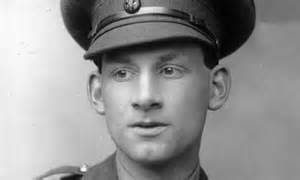
In the spirit of comforting the disturbed, and disturbing the comfortable, I would like to finish this piece by reprinting a poem by WWI soldier and poet, Siegfried Sassoon. With words alone, Sassoon captures the true degree of awful, using no film crew, photographer, or painter.

Dreamers

By Siegfried Sassoon

Soldiers are citizens of death’s grey land,
Drawing no dividend from time’s to-morrows.
In the great hour of destiny they stand,
Each with his feuds, and jealousies, and sorrows.
Soldiers are sworn to action; they must win
Some flaming, fatal climax with their lives.
Soldiers are dreamers; when the guns begin
They think of firelit homes, clean beds and wives.
I see them in foul dug-outs, gnawed by rats,
And in the ruined trenches, lashed with rain,
Dreaming of things they did with balls and bats,
And mocked by hopeless longing to regain
Bank-holidays, and picture shows, and spats,
And going to the office in the train.
 
*Covid 19 deaths are currently presented in the same visual manner. Grim statistics take a toll.
Gail Chumbley is the author of the two-part memoir, “River of January,” and “River of January: Figure Eight.” Both titles are available on Kindle.

Indie Everyday

A4904C51-3483-49D0-8D64-E022F045510C

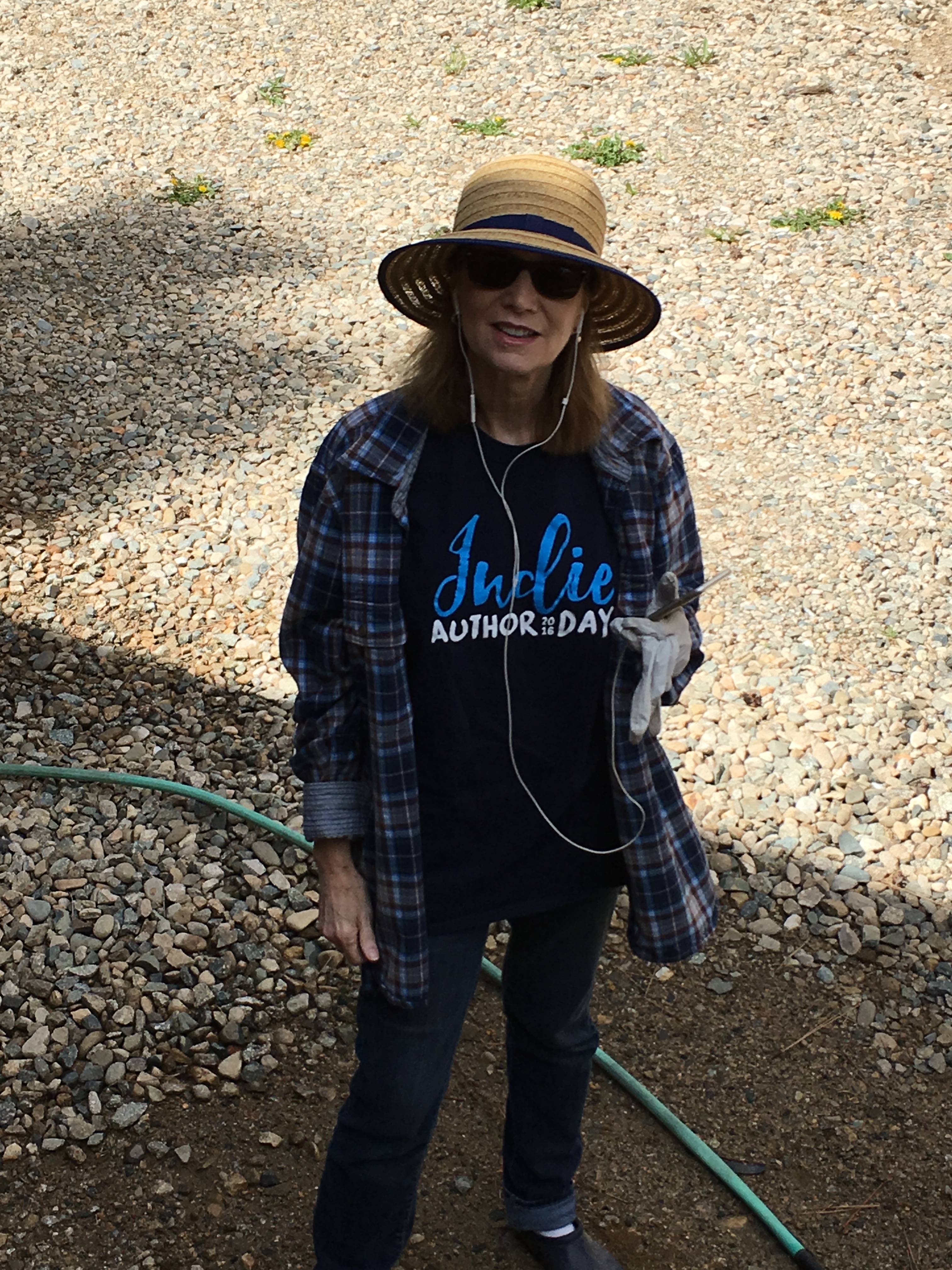
With apologies to Nathanial Hawthorne, this shirt is my version of the Scarlett Letter.  “Hello, my name is Gail, and I’m an Indie author . . . the process is hard, but very gratifying (even while pulling weeds in the garden).

This weekend I invite you to pick up River of January, and the sequel, River of January: Figure Eight.  If in Boise, check out Rediscovered Books, in Salt Lake, Sam Weller’s in Trolley Square, and Spokane’s Aunties Books. Also available on Amazon.com.

Gail Chumbley is the author of the two-part memoir, River of January.

Ouch?

bonvoyagecard10001So I just read a scathing review of my first book, “River of January.” This reader really hated it, and made a real effort to express her distaste. To say she went out of her way to revile the story doesn’t do justice to the term ‘condemnation,’ and continued to blast me as the author.
So how exactly does a writer react to such a scorcher of a reprimand?

I’d like to get upset and obsess over the two measly stars and every berating word in the post. But I can’t seem to throw myself on that grenade. And much as I’d like to feel mortified and humiliated, I don’t. All that reacting is just too much work–takes too much energy. Besides, if the aim of a book is to elicit an emotional response, then, I suppose, my book has found a kind of success.

Three years ago this review would have destroyed me, almost as if someone had pointed out that my beautiful new baby is actually ugly, and that I’m a blind fool. But as a writer I’ve let go of that kind of perfectionism, and any illusion that I fart roses.

This true story is what it is, and I happen to think it’s damn good, and count myself lucky that it came into my life.

So what now?

I turn on my laptop and compose this blog. Writing is what I do. And some will connect to my  voice and identify with this quandary. Others have already clicked cancel.

I suppose that’s why cars come in different colors.

Gail Chumbley is the author of the two-part memoir River of January and River of January: Figure Eight.


Goody Goody


In the memoir, “River of January,” Helen, a beautiful and talented dancer, set sail in 1936 to Rio de Janeiro, Brazil. She eagerly  looked forward to a two week performance at the famed Copacabana Hotel, with an additional two week option to play in Buenos Aires.

On her sheet music for the number, Goody Goody–one of the many songs prepared for this engagement–Helen penciled in her dance steps among the musical notes and rests.

No film survives of Helen Thompson’s April, 1936 performances in South America, but I found this little gem from the same year. (Personal point . . . I think Helen was a better dancer than the girl in this clip).

Happy Friday.


Gail Chumbley is the author of River of January and River of January: Figure Eight and on Amazon.com.

The Pitch

Long rows of rectangular tables, draped and decorated, filled the hall. Cellophane covered baskets, revealing festive gifts sat inches apart, attracting hopeful bids from the browsers wandering about the silent auction. Attendees seemed to understand the drill, strolling from basket to basket, pen in hand, increasing the previous bid. And the purpose behind this auction? The IEA Children’s Fund; a statewide account to help Idaho kids with food, clothing, supplies, shoes, and any other need disadvantaged students face.

I squeezed in between colorful, refugee-sewn bags and wallets, and a boxed WiFi yoga program, complete with a mat and ready-to-use internet software. My books sat displayed below eye level, requiring some adjustments to attract possible buyers.

Both “River of January,” and “River of January: Figure Eight” are rich with archival images. However, space limitations left the usual eye catchers tucked in a satchel, under my chair. Though dismayed at first, I remembered that the books have photo galleries inside, and my tactic instantly shifted. “Are you a reader?” I begin. And what’s cool about teachers is that 99.9% told me ‘yes.’ (Of course they are, we teachers are the champions of literacy.) Then I whipped out the photos in book one.

I begin . . . “River of January is a true story, a memoir, that I have written in a novelized style. Here is my main charter, a pilot, who won an air race in 1933. Here he is receiving the winning trophy from actress Helen Hayes at the premier of her newest movie, Night Flight co-starring Clark Gable.” (The listener looks mildly interested. I go on.)

helenhayes0001


The girl in the middle, laughing, was his girlfriend, she was a pilot too. On the left is Amelia Earhart, the president of the female flying group called The 99’s.”  (I hear an audible WOW. We’re getting somewhere.)

Image

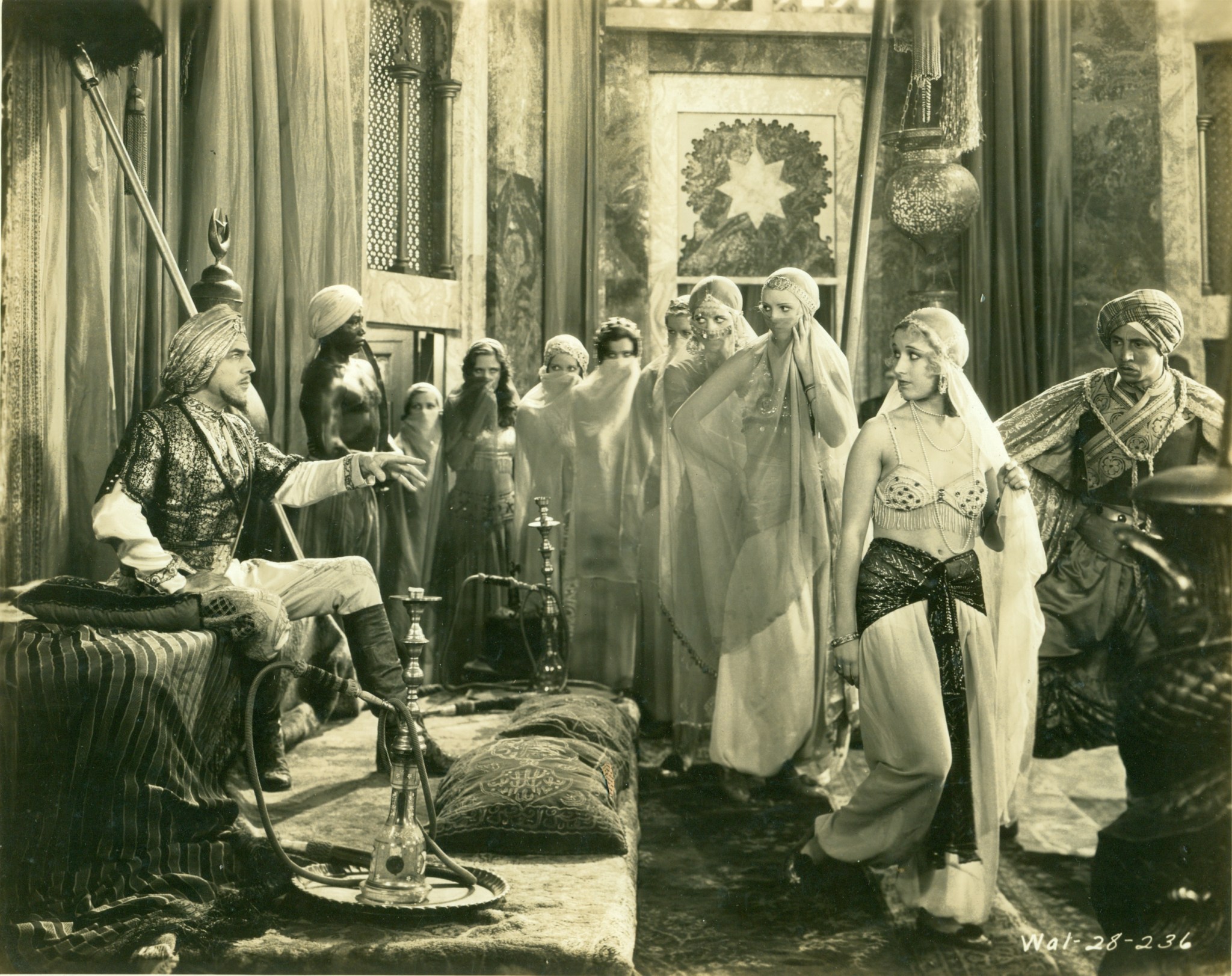
“And this girl is the other main character, and she was a show girl, dancer, and actress. The picture is a clip from a 1931 movie she appeared in called Women of All Nations. Not much of a film, but she had a closeup. Oh, that’s Bela Lugosi in the turban.” (Now I hear a ‘that’s amazing.’)

Women0001

“Yeah,” I agree. “And it’s only the first book. In book two, he ships out to the Pacific, and she becomes a professional ice skater in a Sonja Henie Ice Show.”

helenskates0001

(I reach for the second book, “Figure Eight.”). Here he is with the head of Eastern Airlines, Captain Eddie Rickenbacker. You know, the WWI flying ace?” Now they want to know the price, and would I take a debit card?

Rickenbaker0001

“Would you like me to sign the books?” They would. And I thank the purchaser, and ask for feedback on Amazon.

What is nice is that all teachers share an innate sense of wonder. My natural fascination with the story easily connected to like-minded listeners among the professional educators circling that hall.

And that’s my pitch. I let the two main characters sell the memoir because they were nothing short of amazing.

Plus I , too, happily made a donation for each book sold to the IEA Children’s Fund.


Gail Chumbley is the author of the two-part memoir, “River of January” and “River of January: Figure Eight.” Both books are available at www.river-of-january.com, or on Amazon.


Words of Honor

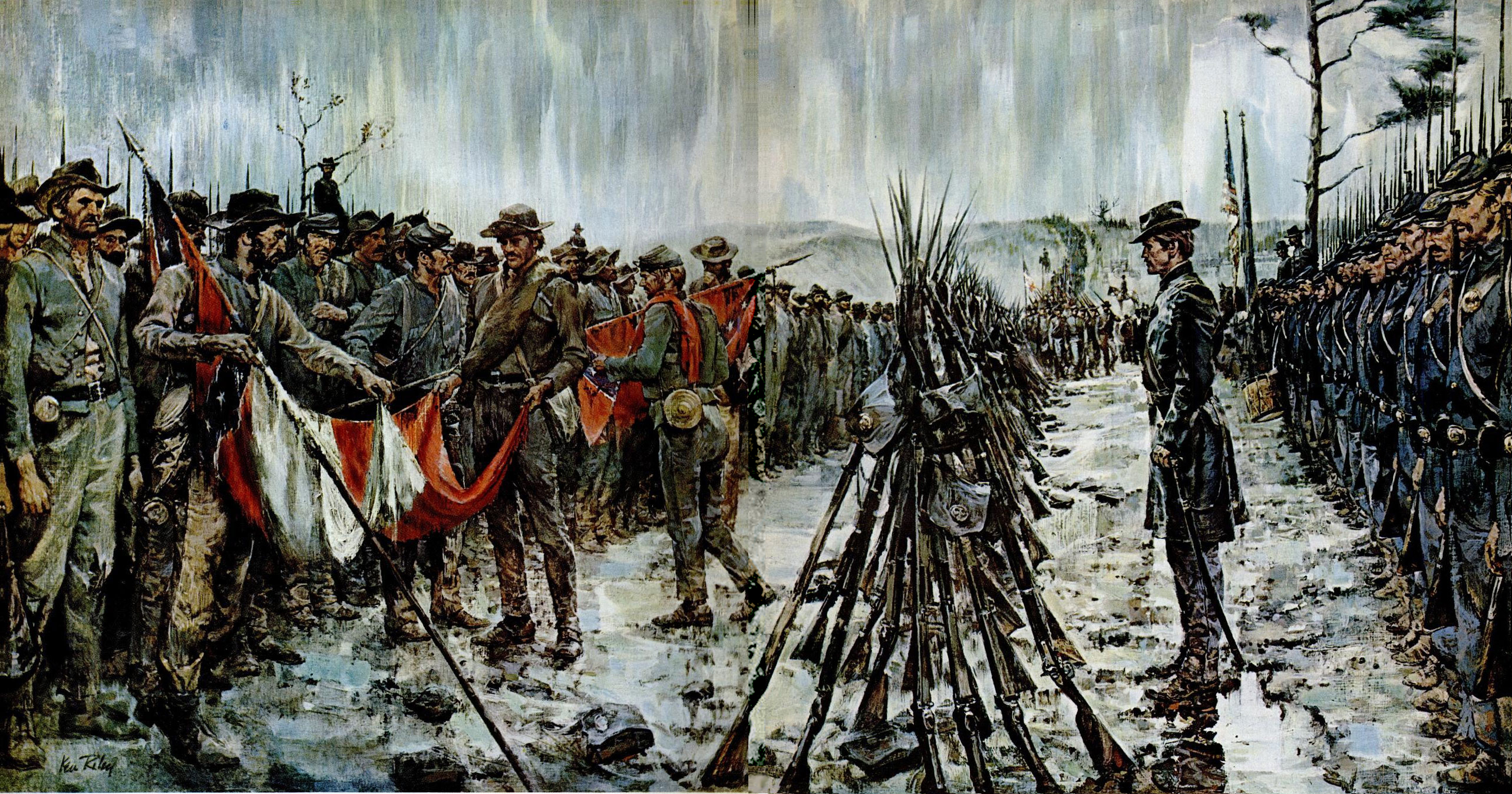
appomattoxprintlarge2

Union General, Joshua Lawrence Chamberlain, in a 1901 interview for a Boston newspaper, shared his recollections of the Confederate Army’s surrender at Appomattox Courthouse, Virginia.  Tasked by General Ulysses S. Grant with the formal 1865 surrender of Rebel arms and military gear, Chamberlain described that April day in remarkably vivid detail, despite the passage of over 30 years.

“At a distance of possibly twelve feet from our line, the Confederates halted and turned face towards us. Their lines were formed with the greatest care, with every officer in his appointed position, and thereupon began the formality of surrender.

“Bayonets were affixed to muskets, arms stacked, and cartridge boxes unslung and hung upon the stacks. Then, slowly and with a reluctance that was appealingly pathetic, the torn and tattered battleflags were either leaned against the stacks or laid upon the ground. The emotion of the conquered soldiery was really sad to witness. Some of the men who had carried and followed those ragged standards through the four long years of strife, rushed, regardless of all discipline, from the ranks, bent about their old flags, and pressed them to their lips with burning tears.

“And it can well be imagined, too, that there was no lack of emotion on our side, but the Union men were held steady in their lines, without the least show of demonstration by word or by motion. There was, though, a twitching of the muscles of their faces, and, be it said, their battle-bronzed cheeks were not altogether dry. Our men felt the import of the occasion, and realized fully how they would have been affected if defeat and surrender had been their lot after such a fearful struggle.
. . . “But, as I was saying, every token of armed hostility having been laid aside, and the men having given their words of honor that they would never serve again against the flag, they were free to go whither they would and as best they could. In the meantime our army had been supplying them with rations. On the next morning, however, the morning of the 13th, we could see the men, singly or in squads, making their way slowly into the distance, in whichever direction was nearest home, and by nightfall we were left there at Appomattox Courthouse lonesome and alone.”

Gail Chumbley is the author of the two-part memoir, River of January and River of January: Figure Eight. Also available on Amazon.com

Tell Me a Story


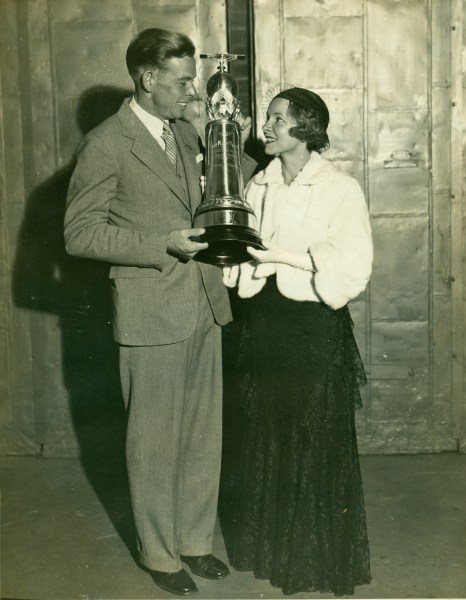
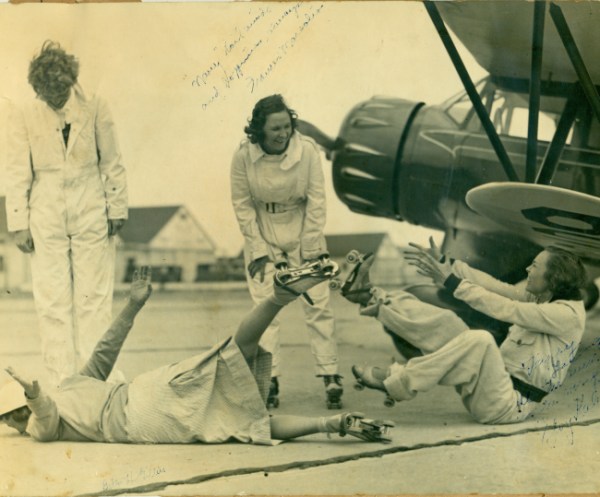
Drawing inferences; the ability to examine evidence and attach meaning, was the bedrock of my history classes. Believe it or not, forming conclusions from documents isn’t intuitive for everyone, and more often than not, an acquired assessment skill.

Context is huge . . . the medium, (photo, painting, film clip, political poster, diary entry, news story) allows a document to fit into a broader story. And that same critical thinking skill is what I had to use in my books, “River of January,” and “River of January: Figure Eight.”

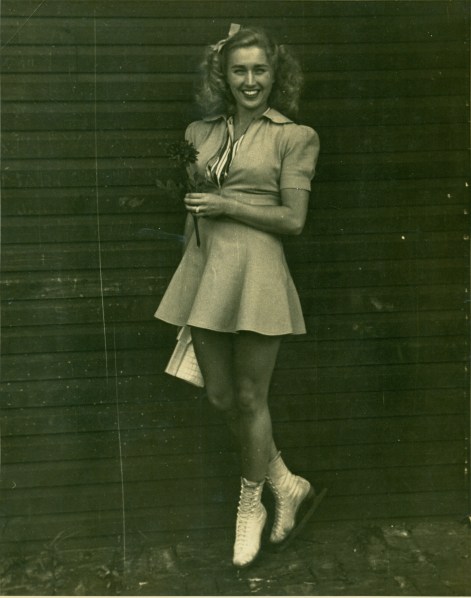
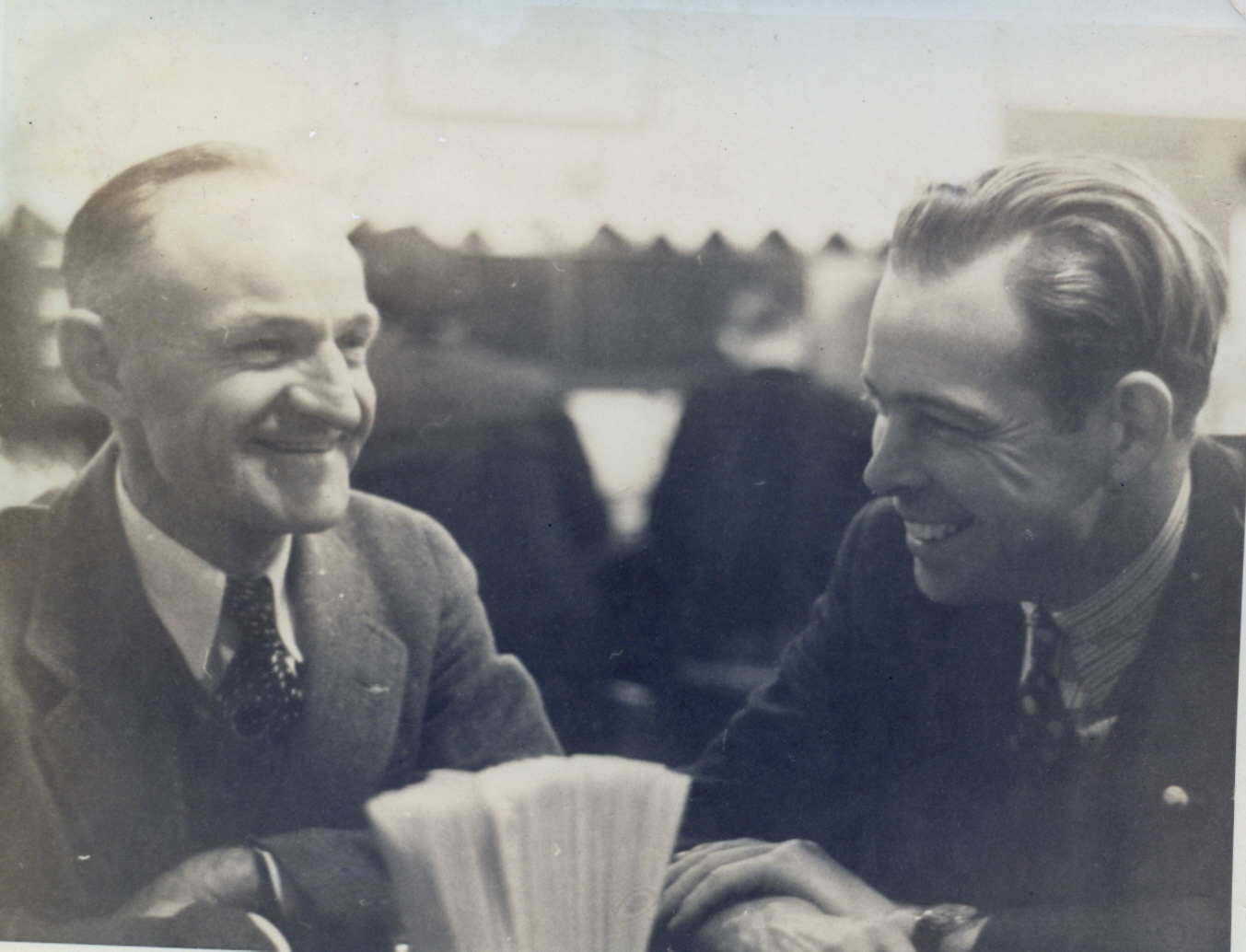
Please examine the following images from the archive and make them fit into a narrative.

Happy Friday


Gail Chumbley is the author of the two-part memoir, River of January, and River of January: Figure Eight. Visit her website at www.river-of-january.com or order on Amazon.com