Beyond The Symbols

Patriotic symbols, music, and the Pledge of Allegiance recited at a solemn ceremony can be deeply moving. A simple presentation of the flag at a formal function can be awe-inspiring. The lone, austere notes of Taps played at a military funeral elevates a moment into sacred reverence.

The sounds and symbols of American devotion are powerful.

Still, as commanding as recitations, patriotic colors, and America the Beautiful can feel, deeper symbols in our shared history can reveal so much more.

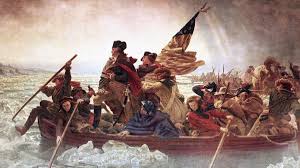
In his book, Washington’s Crossing, historian David Hackett Fischer introduces his volume with a discussion of Emmanuel Leutze’s famous painting of the same name. Fischer guides the reader through elements in the painting, noting passengers figure by figure as they frantically navigate the frozen Delaware River on that long ago Christmas night. 

Why is this particular work especially moving? Because at that juncture, December 25, 1776, the Revolutionary War looked to be flaming out after barely a start. Defeat had dogged Washington’s Continentals after being chased off of Long Island, and driven out of New York City the previous summer. As Washington planned his surprise Christmas attack, victorious Redcoats had settled into winter camp in New York City.

Humiliated, Washington knew he had to strike hard and he had to win.

Viewing his situation with the “clarity of desperation” the General ordered an assault on Hessian (German mercenary) held Trenton, New Jersey. The Continental army would have to use the element of surprise fighting against a better armed and better fed opponent. Risky to the extreme, Washington knew we, meaning America, for all time, was dependent upon his actions that night.

As for the painting, the artist depicts freezing soldiers huddled in a boat with more watercraft in the backdrop. From the starboard side, (to the right of General Washington) sits an oars-man, distinctly Black, putting his back into his strokes, ploughing through dangerous ice floes. Behind him, facing forward at the bow, is another swarthy figure, perhaps a Native American. He is desperately kicking ice with his left boot while handling a sharpened pole to break open a passage through the impossible crust. To the foreground an immigrant (a Scot by the look of his hat) studies the river’s surface closely as he pulls forward to port, while another behind him, in fisherman gear, studies the treacherous water. Others are made up of rustics, one at the tiller, along with a wounded passenger.

General Washington centers the painting as he is the central figure of the drama. Behind the General is Major James Monroe, and another rugged frontiersman by the looks of his garb. Both men are grasping a 13-star (Betsy Ross) flag, in a grip that elicits an attitude of determination and desperation, with perhaps a bit of warmth. Below both flag bearers sits a WOMAN, yes, a woman pulling her oar with an analytic eye upon the clotting water.

Black, Native, white, immigrant, the highborn, the humble, men and women, yesterday, today, and the future: all of our American lives balanced on the gamble played that night in 1776.

The point I believe Leutze is trying to convey is that we all don’t have to be the same. No one has to agree on the details of our beliefs to ride on that boat. The truth is Americans all have and had different realities and ambitions: differing views of liberty. Still, all onboard had to carefully respect each other’s space and not overturn that fragile vessel, Liberty, for we must stay afloat and row in the same direction. It is in all our interests to do so.

And that metaphor of America, that boat, tested our resolve on one of the nation’s most critical nights. Inspiration doesn’t come any better than from Leutze’s allegorical Washington’s Crossing.

Gail Chumbley is the author of the two-part memoir, River of January, and River of January: Figure Eight. Chumbley has also penned two stage plays, Clay, and Wolf By The Ears, concerning the life of Senator Henry Clay, and an in-depth examination of the beginnings of American slavery. Gail is currently working on another piece, Peer Review, best described as Dickens A Christmas Carol meets presidential history.

Peer Review One: A Play

Peer Review One

__________________________

10 Minute Play

By Gail Chumbley

SCENE 1

The stage lights rise. Two wingback chairs sit closely on the stage, and a table. Two men, both marines, stand on either side of the stage apron. The sounds of voices are heard off stage. The stage lights shift to blue as a man, The President, steps onstage. The Marines salute, and the president salutes impatiently. The guards disappear in darkness.

THE PRESIDENT
I can hear them. Tourists. Here to see where I, their President lives.

Three girls enter giggling and taking cell phone pictures. The president fusses with his hair.

THE PRESIDENT

And where are you girls from?

The girls move on without noticing him.
Wait! I’m here. Your president. I’m here.

A couple appear looking about, pointing toward “walls,” chatting quietly. The president straightens his tie, and again touches his hair.

THE PRESIDENT
Welcome to my White House. Wanna a picture with your President?

The couple murmurs quietly, indifferently looking around. They turn and stroll offstage. The president follows a few steps.

THE PRESIDENT

You people deaf? What is wrong with you? This is disgraceful. I’m President of the United States, for god’s sake.

A man appears on stage left. He wears a top hat, mustache, pince-nez spectacles and cutaway jacket with tails. He carries a cane. The man approaches the president from behind. He speaks in a patrician voice.

THE MAN

Am I to understand that you are a New Yorker?

The president startles.

THE PRESIDENT
Um, hello. Are you here with a tour group? Bet you want a picture with me, your president.

THE MAN
I ask a simple question, and you reply with a question. I understand you are a New Yorker. Are you or are you not?

The President attempts to walk to no avail. The man stands uncomfortably close.

THE PRESIDENT (Looking around)

I can’t move! My feet are frozen to the floor! Where is my security detail! Where are my marines?

THE MAN
We have all been watching you, and even Mr. Nixon is appalled. Once again, are you a New Yorker? Speak up when I’m addressing you.
THE PRESIDENT

Mr. Nixon? How did you get in here? Are you a re-enactor?

The muted sound of tourists continues off stage.

Yes. Yes. Everybody knows me. I made my fortune in New York real estate, if you must know. I’ve heard many people say I’m the best businessman ever . . .

The man begins to pace and speak at the same time.

THE MAN
From my understanding you are nothing beyond a scoundrel from the wealthy criminal class. I made a career of exposing popinjays like you.

THE PRESIDENT
Well, you’re a nasty piece of work. I am the President of the United States. I won the election by the biggest margin in American hist . . .

THE MAN
Poppycock! We have come to find that result came about due a mere tilt in the electoral count, and foreign interference. Russians, no less. After the revolutionary stirrings in 1905, I feared Russian unrest would spread to the United States. Conditions in mines, shops and factories here were inexcusable. Strikers shot down in the Pullman Rail Strike, vile conditions in Chicago’s meatpacking industry, sweatshops forcing 12 hour work days. Labor agitators pushed for reform, and I agreed. In Russia, Bolsheviks never did extend justice to the working class, only more oppression. They were not, and are not America’s friend, and intend only to destabilize this nation. Through your absence of character, and love of money they have succeeded.

THE PRESIDENT

You are wrong. That’s a lie. A lie.

THE MAN
You foolish pip. Inviting Russians into the West Wing? Unacceptable! Never should foreign adversaries be permitted to enter the inner sanctum, nor rioters in the Capitol. Mr. Lincoln will have more to say on that particular travesty.

The President appears shocked. He mouths “Lincoln.”
You have besmirched America before the world. I’d say you are a compromised pawn of foreign meddlers, and their graft. You give not one whit for America.

THE PRESIDENT
You can’t talk to me like that. My security will be back and you’ll be thrown out.

THE MAN

Sergey Witte.

THE PRESIDENT

What? Who? Just get out!

THE MAN

Hold your tongue! When you are in the presence of a gentlemen, behave accordingly. Witte was a Russian, so you will approve. The Japanese inflicted the most impressive defeats upon the Tsar’s navy in 1904-05. America then had no quarrel with Japan or Russia, however, I was asked to arbitrate peace negotiations. My view of the Russians changed with Witte. What a crude, unmannered man, unlike the thoroughly well- mannered Japanese delegation who comported themselves so gracefully! This so-called “diplomat” grew belligerent during peace talks insisting Russia be awarded more largess from the treaty. That villain stalled and argued for adding more claims, despite losing the war. I gave that knave a piece of my mind.

The man removes his top hat and sets it on a table, and checks his pocket watch.

Good I have time.

THE PRESIDENT
Time? Don’t stay on my account. I’m a busy man. Meetings, briefings.

THE MAN

Sit down this instant.

The president instantly sits. Looks alarmed.

Witte is the point! The Russians only look out for Russia, not you, the bankrupt fool who fell backward into the presidency.

THE PRESIDENT
I’m being pranked. Some a-hole is filming this. Where is the camera? I hate pranks. Meadows is going to hear about this.

The muffled sound of passersby continues. The president sits uncomfortably, and shuts his eyes.

I’m dreaming. That’s it, I’m asleep. When I open my eyes he’ll be gone.

To the man.

I’m opening my eyes now and you better not be here.

The man leans over the sitting president. He opens his eyes face to face with the man. The president startles again.

THE MAN

I am not finished.

The man again paces and speaks.
Bribery does not belong in foreign policy. And America still has a grand future on the world stage. We show strength through integrity–not by shaking down America’s allies for political favors.

THE PRESIDENT

Stop right there, that was a perfect phone call . . .

THE MAN
In foreign affairs we must make up our minds that we are a great people and must play a great part in the world. Nothing less.

The man turns toward an imaginary window. The president attempts to stand, but only succeeds in moving the chair a little. He utters a grunt.

THE PRESIDENT
I have great knowledge of foreign policy. And despite what some people say, I was always against the war in Iraq, and a lot of people weren’t.

The man shakes his head in disbelief. The President continues.
Look, Obama left a foreign policy of one disaster after another. We don’t win anymore. . .We’re going to win big now.

The man looks around the Blue Room.

THE MAN
Talleyrand, Napoleon’s minister once remarked that though President Jefferson loved France, he was still an American first. I do not believe you are first loyal to America, only to your feral, financial instincts.

THE PRESIDENT

TalleyWho? Everyone knows I am the greatest Americ. . .

The man sighs, and with a turn of his hand silences the President.

THE MAN
It appears you have no pets. Quite revealing that-regarding a man. We moved into this house with dogs, cats, and other pets, including a pony. How the boys loved their animals. Our pets were considered part of the family. They and the children’s presence made the White House feel like home.

The man returns his gaze to the president, and smiles.
I would play a bear, and my two youngest would hide under the bed. I pawed and growled, and they giggled and shrieked for joy.

The president is defensive. He speaks.

THE PRESIDENT
Kid’s. The hardest thing about raising kids is time. I know men who leave their businesses so they can spend more time with their children, and I say, ‘Gimme a break!’ My children couldn’t love me more if I spent fifteen times more time with them.

The man watches the president doubtfully.

THE MAN
No pets. Not even for your youngest. And it appears the boy and his mother live separate lives. Your adult children keep their distance, as well. You have squandered a man’s real treasure for an artificial image.

The president wiggle-walks his chair still stuck.

THE PRESIDENT
First of all, I would feel like a phony having a dog. I don’t like dogs. And, so you know, my children love me, and my wife, too. They are so proud of me, so proud. I’m President. And most Americans love me. Those liberals are the problem.

The man snaps, waving his cane.

THE MAN
Is that why thousands of migrant children were separated from their families? Caged? Liberals are not, as you say, the problem!

The man clears his throat, and quietly speaks.

President Grant requested I touch upon the subject of military service. My father did not serve in the War between the States, leaving me a confused boy. I could not understand why. For me soldiering is the highest service a patriot can perform.

THE PRESIDENT
And now you’re going to tell me how great the military is. I really don’t care. Look, Sean Hannity is calling my office.

THE MAN
His decision concerned my mother. Lovely woman, my mother, she hailed from Georgia, and her brothers were serving the Confederacy. You see, my father loved her–simply loved her. He hired a substitute in his place, and aided President Lincoln in other ways.

The man taps his cane and smiles.

Still. I idolized him. He believed so much in public service. He cared about children, orphans living on the streets. Father founded the Newsboys Lodge, the Children’s Aid Society, and the American Museum of Natural History. The last he did for me.

The man strokes his mustache lost in thought.

THE PRESIDENT

On Central Park West?

The man nods.
Been there. Your father had it built? Seems like a big waste of money to me. Bunch of bones and dead animals.

THE MAN
Serving others is our obligation to the less fortunate. To me bad trusts exploited the poor for profits. We regulated fair rail rates for farmers, passed the Meat Inspection Act, and the Pure Food and Drug Act, to make all Americans safer.

The president looks bewildered.

THE PRESIDENT

Why? There’s a lot of money in big pharma.

THE MAN

Not listening.
As president, I never made a decision without wondering what my father would think.

THE PRESIDENT

Yeah, me too.

The president chuckles. The man shakes his head.

THE PRESIDENT
Still, I don’t care. Times have changed. Gotta get what you can when you can.

The man whips around.

THE MAN

Which is why I am here.

The President’s smile disappears.

THE MAN
All four of my sons served in the Great War, and fulfilled their duty. We paid the ultimate cost-our youngest, Quentin, in an aerial fight over Germany. So difficult to lose such a dear, sweet boy.

The man draws close to the president.
And Quentin was neither a sucker nor a loser! He believed in America, they all believed. Quentin held fast to the tenets of our noble land and answered the call.

The man flashes disgust toward the President, then becomes thoughtful.
In 1898, I, too, served as soon as I could. President McKinley named me under-secretary in the Department of the Navy, until I resigned to join the war against Spain. That decision led me to assemble the Rough Riders and ship out to Cuba. Most exhilarating. My father would be proud, of that I’m certain.

THE PRESIDENT
I’d like to do my duty too. But the political establishment trying to stop us is the same swamp responsible for our disastrous foreign policies.

The man frowns, then and continues.

THE MAN
We were on foot in Cuba, a cavalry without horses. We lined up at the base of Kettle Hill, and charged. The moment jolted electric, and my crowded hour began. Lifting my carbine in the air, I rallied from the front, showing the men they had nothing to fear.

THE PRESIDENT
And see, that’s the problem. That is why the military is a chump’s game.

The man shakes his head.
And who needs soldiers? I can do foreign policy, it’s easy. I know because I have a very good brain. I am very rich, people admire me.

The man gives the President an incredulous glance.

THE MAN
Are you deranged? Tossing about words, making no sense? And as for rich, I understand your father earned the fortune, and you have frittered away much of it.

THE PRESIDENT

Wrong. Lies.

THE MAN
Nouveau riche, new money. Gaudy, vulgar, pretentious, and hungry for the validation and acceptance that you will never receive.

The president audibly snores. The man continues to speak over the noise.

When I held office I used my “bully pulpit” in the best sense of the term. Once I believed as you, that the natural world existed to enrich man. But that is false. In my administration Congress approved five new national parks, protected bird sanctuaries, and game preserves. The intrinsic value of our land cannot be found in stock indices or business transactions.

The president snorts
Nowhere else in any civilized country is there to be found such a tract of veritable wonderland made accessible to all visitors, not only the scenery, but wild creatures of the parks are scrupulously preserved.

THE PRESIDENT
Well mister tree hugger I have gutted much of your precious protection and opened land for logging, mining, and drilling. Say goodbye to the Grand Staircase in Utah, well, half of it, anyway. Roads are being cleared as we speak, and off-road vehicles are roaring in. And that goody two shoes, Barack Hussein Obama created the Bears Ears National Monument. I chopped it up for developers. Because that is profit. Profit is real.

THE MAN
You are nothing new, but the only plunderer to reach the presidency. New York City has produced a long line of blackguards such as yourself, criminals like Boss Tweed, and George Washington Plunkitt. Driven by greed and power these men fleeced the public.

The man walks around the chairs still looking about. He speaks.

For the benefit and enjoyment of the people.

THE PRESIDENT

I’d enjoy getting the hell out of here.

He snores louder

THE MAN
Quiet you insolent twit. Those words are inscribed on the arch at Yellowstone Park. Now you shall no longer interrupt.

The man gestures, watching the president who is now unable to speak.
I, too enjoyed a life of affluence. However, with that wealth came obligations to the less fortunate. Doors down from our home on 57th Street the poor struggled in wretched poverty. And much like my father I possessed a troubled conscience.

The man strolls with his cane, and continues.

As Commander in Chief, our charge is to work for the people. All the people. Withholding aid to states you did not carry is a dishonorable breach of that trust.

The man touches the president’s chest with his cane, then resumes his pacing.

My love of justice and fair play may sound naive to you. But your blatant cheating, while pretending you haven’t, is shameless.

The man strikes the president’s chair with his cane. The president sits straighter.
My administration was known as the “Square Deal,” and we, my cabinet and I, kept that promise.

The man taps his cane on the floor again.

My father once counseled me to look after my morals, my health, and my scholarship. And that, I did. And your father? Raised you to love money and value nothing. Had you not been desperate to become president, you might have continued to lead this predatory life of grift and debauchery.

The president fixes his eyes on the man. Angry.

Much like King Midas, or a Greek tragedy, this fatal flaw, your infinite vanity, will now cost you your liberty.

The president struggles, mutely hopping his chair a bit.
You should not have run for office, where dignity and tight scrutiny are the norm. Unable to resist the lure of power, you are the catalyst of your own downfall.

The man puts on his top hat, and gestures. The president bursts free from his chair.

It’s time for me to leave, the others will join you presently.

THE PRESIDENT

Others?

THE MAN
Most assuredly. And the name of that national park is pronounced Yo-sem-i-tee.

As the man stroll off in one direction, the President runs off the other. The stage goes dark.

The Dramatists Guild of America was established over 80 years ago, and is the only professional association which advances the interests of playwrights, composers and lyricists writing for the living stage. The Guild has over 6,000 members nationwide, from beginning writers to the most prominent authors represented on Broadway, Off-Broadway and in regional theaters. To learn more about the Dramatists Guild of America, please visit http://www.dramatistsguild.com

Gail Chumbley is the author of the two-part memoir, “River of January,” and “River of January: Figure Eight.” Both are available on Kindle. In addition Chumbley has written two full-length plays, “Clay,” and “Wolf By The Ears.”
Behind the Smiles

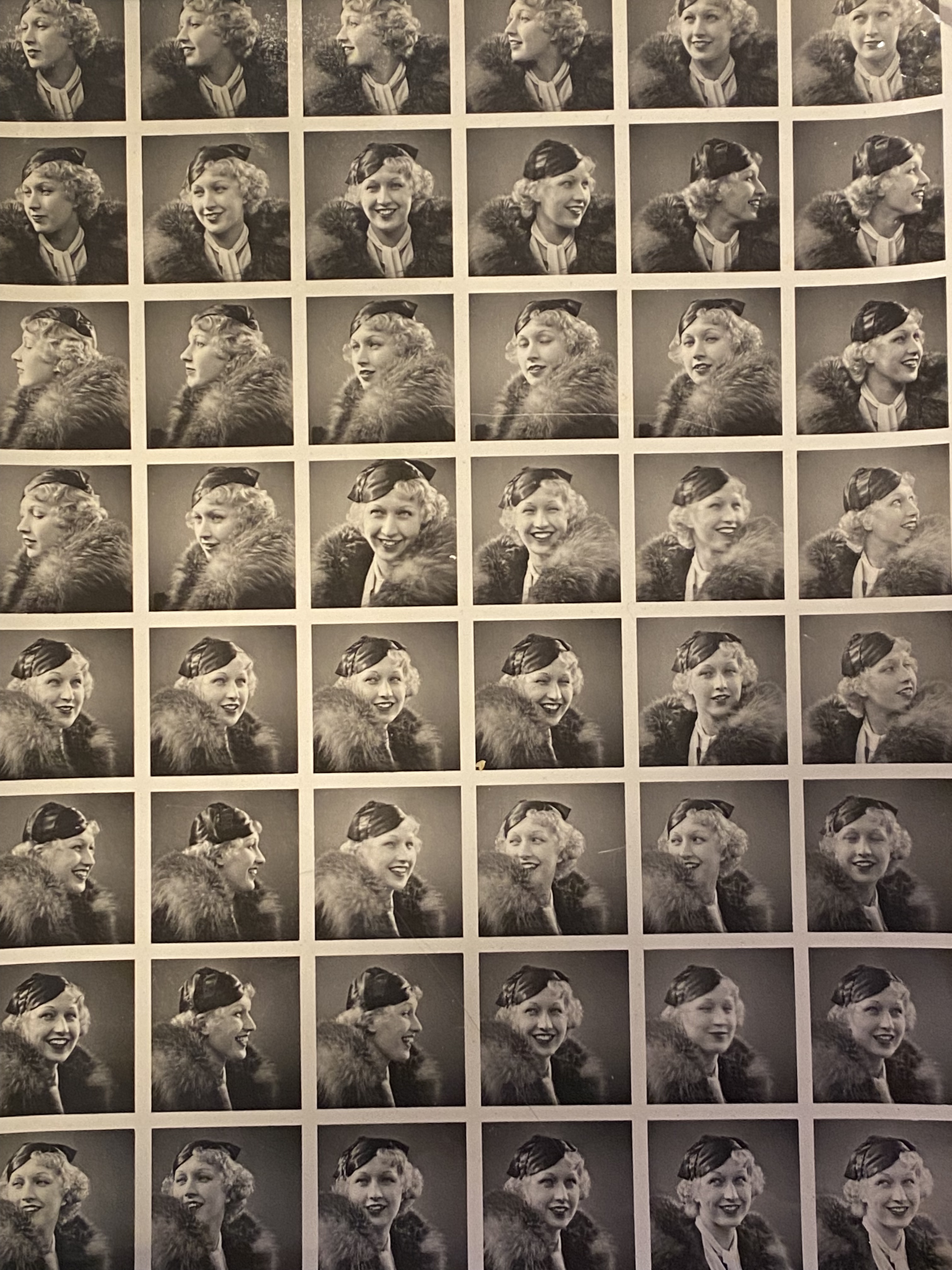
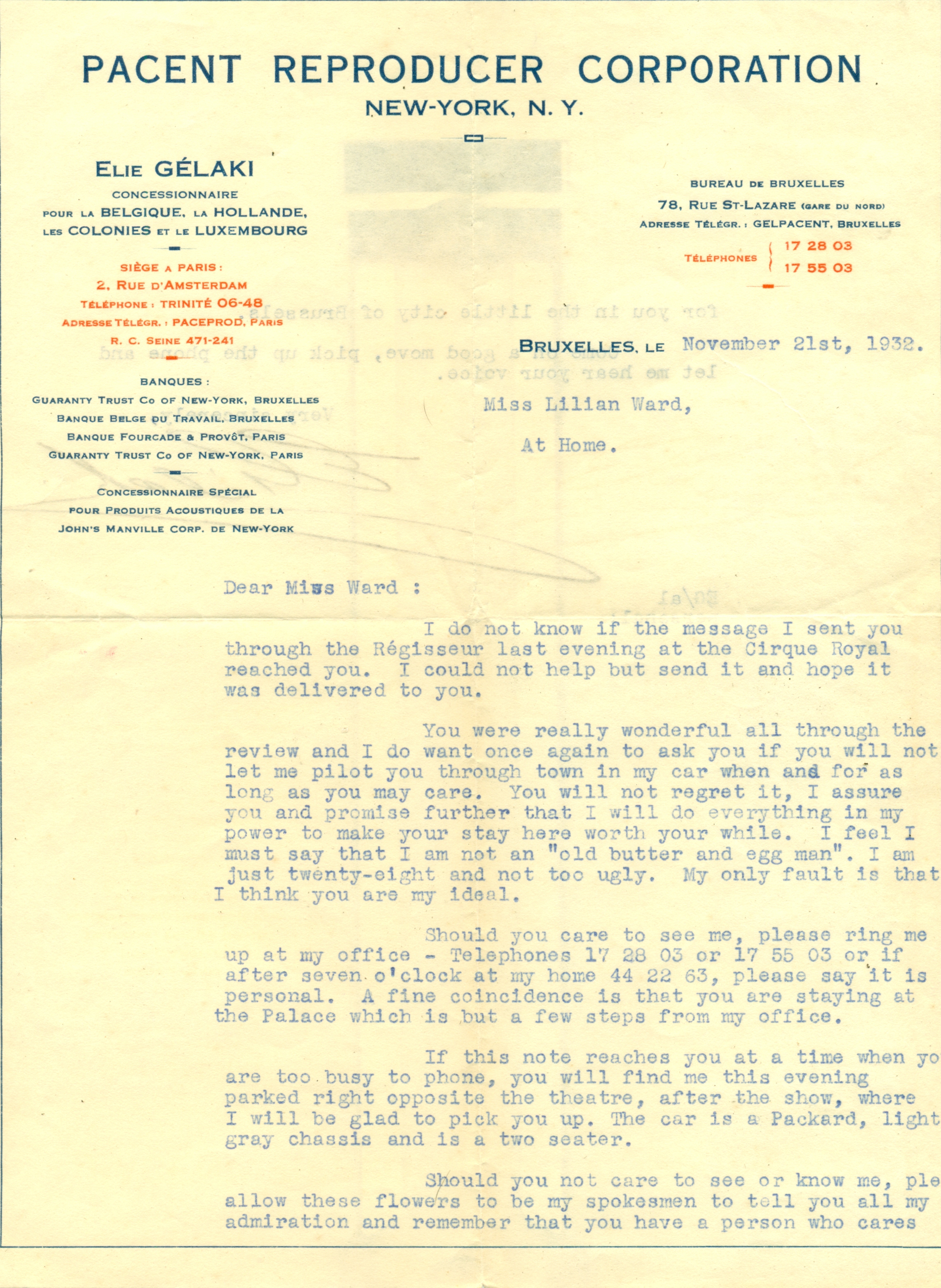
This, of course, is Ann Frank. She sat for this photo montage in Brussels, Belgium, probably just before the war. The studio’s name was Polyphoto International and it was owned by a gentleman named Elie Gelaki.

Six years earlier Elie had established another studio across the Atlantic, in New York City, and evidence indicates he aimed to do the same across Canada, and Japan. Whether those offices actually opened is hard to determine, especially in Japan as war with China had erupted. However, the New York studio did open for business and Elie got to work.

The subject of this session was the reason Elie had traveled to New York. Her name was Helen Thompson and she was a professional dancer. Though at first he had mistaken her name, Elie fell in love with the Helen, eventually following her to New York, seeking marriage. But the wedding never came about.

The 1930’s was a perilous time, especially for people like Ann Frank and Elie Gelaki, both Jewish, living their lives under the growing shadow of Nazism. And though Helen never married the Belgian she worried about his fate as the European war blitzed to life, and of course she knew nothing of Ann Frank until later. You see Helen was my mother-in-law, and though we never met, my husband told me she occasionally shared her anxiety regarding Elie’s fate.

It is evident that behind the smiles, and the momentary pleasure of picture taking, an epic story of three individuals played out in a dramatic chronicle of the 20th Century.

For more of this story read “River of January,” and River of January: Figure Eight” both available on Kindle.

Chumbley has also penned a feature film script based on the books titled, “Dancing On Air,” and in addition two plays on American history topics-“Clay,” and “Wolf By The Ears.”
gailchumbley@gmail.com

Redundant

The last five years bear proof that voting is a precious right, made real through two centuries of courage, and bloody violence. The extension of the vote, the collective voice of our political will, did not expand without difficulty or sacrifice. 

In the early days of the Republic, the founders struggled to strike a balance between their own political interests, and those of the public. The founders considered citizens as too mercurial, too easily swayed, to be trusted with the vote. Only men of standing, knowledge, and property were qualified to cast ballots.

As populations moved westward, new states allowed all white males voting rights. Making use of “poll taxes,” farmers and tradesmen paid a fee to participate in elections. The money indicated that the voter had some means, and a stake in the community. Still, voting at that time was a boisterous affair, as men publicly announced their choices to officials. That practice, combined with hard liquor guaranteed election day ended with a bloody fight or two.

Political machines, like New York’s Tammany Hall, lined up voters like soldiers each election day. Bosses such as William Marcy “Boss” Tweed maintained power manipulating elections like clockwork, assuring outcomes before the votes were ever counted.

Women labored long and fruitlessly for the vote. Seeking rights of citizenship, women wanted not only the franchise, but the equal legal standing before the law. The forces of inertia and sexism held fast, believing ladies must stay home where they “belonged.” Politics was seen as too complex an issue for the female brain, as they were smaller, (I kid you not). More custom than written law, the practice of “coverture” considered the call for women’s suffrage as redundant. Women, as dependents, like their children, were legally “covered” by their husbands’ vote. He, as head of the family voted for the entire household.

Not until 1919, after a century of ridicule and abuse, did women earn the right to vote. And even then just barely. Once the 19th Amendment reached the Tennessee legislature for ratification, the bill passed by a single representative’s vote, making the state the 36th and last state to approve.

The path to black suffrage provides the most perilous story. Considered property in antebellum America, branded 3/5’s of a human being in the Constitution, these people faced impossible hurdles after the Civil War. While Union soldiers remained in the South as occupiers, black men voted, per the 13th, 14th, and 15th Amendments. However, once the blue coats with their bayonets left, that moment of possibilities passed.

Black codes, a carryover from pre-war slave codes, and violence at the hands of homegrown terrorist (KKK, and the Knights of the White Camelia), a black man risked his life attempting to cast a ballot. After 1876, marking the end of Reconstruction, Southern society returned to “normal” with blacks clutching the lowest rung.

It took a World War to breathe life into the Civil Rights Movement. Even then white resistance pushed back against the movement. Through the courts, the NAACP argued that case law favored black suffrage. Falling back on the 14th and 15th Amendments, attorneys like Thurgood Marshall jousted against white supremacy at all levels of society. In 1964, Freedom Summer introduced a massive voter registration drive, garnering enough leverage to pass the 1965 Voting Rights Act.

Old school Redeemers, like today’s Senator Mitch McConnell watched and waited to gut the law after the election of President Obama. McConnell argued with a black president, no need remained for the ’65 Act.

So where does that leave black and brown Americans today? Outraged. States, largely in the South are once again purging black voters from precinct rosters. Why? Because white supremacists in the South still feel they must suppress those voters to maintain white power.

Now that is redundant.

Gail Chumbley is the author of “River of January,” and “River of January: Figure Eight.” Both titles are available on Kindle. Chumbley also penned two history plays, “Clay” and “Wolf By The Ears.”

gailchumbley@gmail.com

Unexpected Inspiration

Dear Helen and Chum

I’ve neglected you since publishing your story, and I regret my doubt-inspired silence.

The delight of researching the both of you, made clear that you lived more life than I’ll ever see in mine. Risk, peril, glamor, and ambition. You put yourselves out there, and is the best story, ever.

I wrote those books wracked through with feelings of inadequacy. Possessing little experience as a writer, I took on both volumes largely on my own and finished them, impatiently pushing the story out to the world, mistakes and all.

Still, I’m not sorry to have narrated your journeys, it’s the most kick ass true story I’ve ever encountered. 

Fear and confusion froze this greenhorn in her tracks. I am guilty of getting in the way of sharing your adventures, and reliving your forever love story. Forgive me. I presumed this 20th century saga belonged to me, but that is not so. Truly, there would have been no books at all, without your daring and triumphs to inspire me.

These books were not a mistake. 

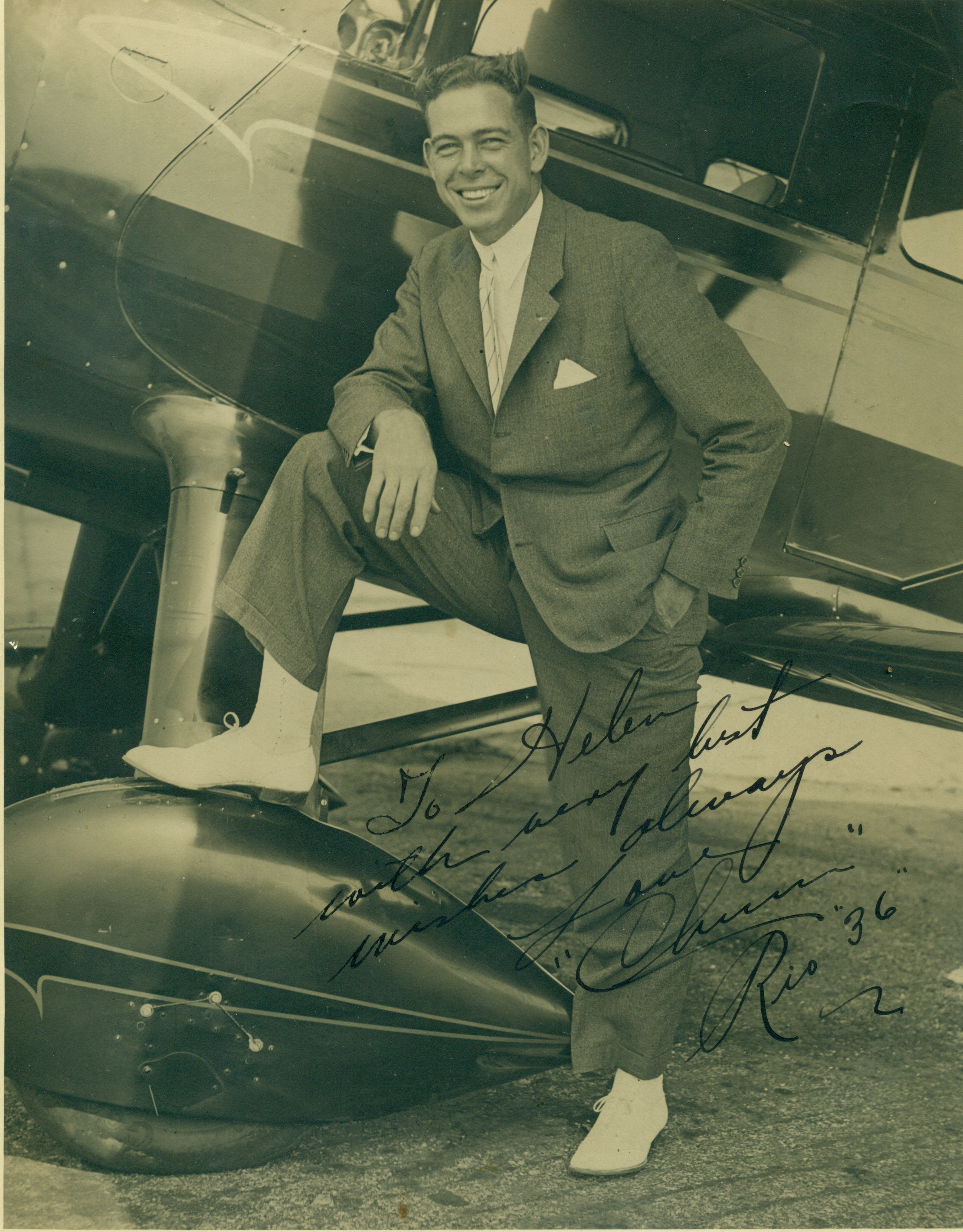
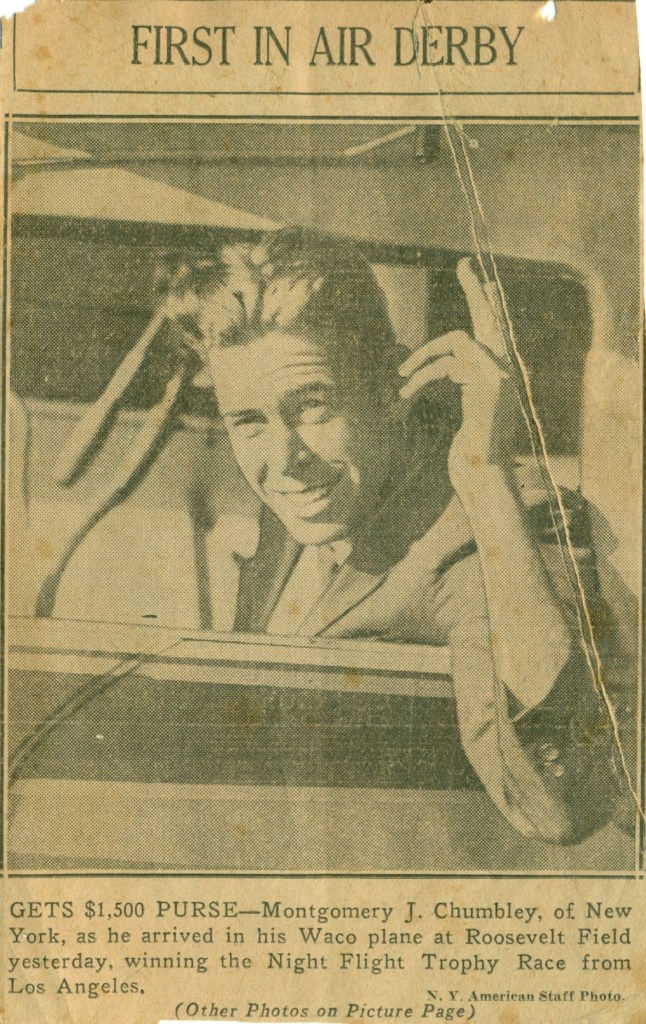
Chum, you squared your shoulders, took a deep breath and strapped into that cockpit, forging a career of monumental consequence. The victor of the 1933 Darkness Derby, you braved the night skies over a sleeping America. Flying your mighty Waco aircraft, you touched down at Roosevelt Field where Lindbergh and Earhart began their storied flights. Later, in defense of democracy, you piloted US invasion orders through a dangerous South Pacific typhoon, tossed and slammed by up and down drafts, to complete your mission.

And to you sweet Helen, though we never met in this life, you inspired the entire effort. It was that first visit to your Miami home when something stirred inside me. A unexpected inspiration. Remember that black and white glossy? The portrait of a sultry platinum blonde? You know the one. Chum had it up in his room until the end.

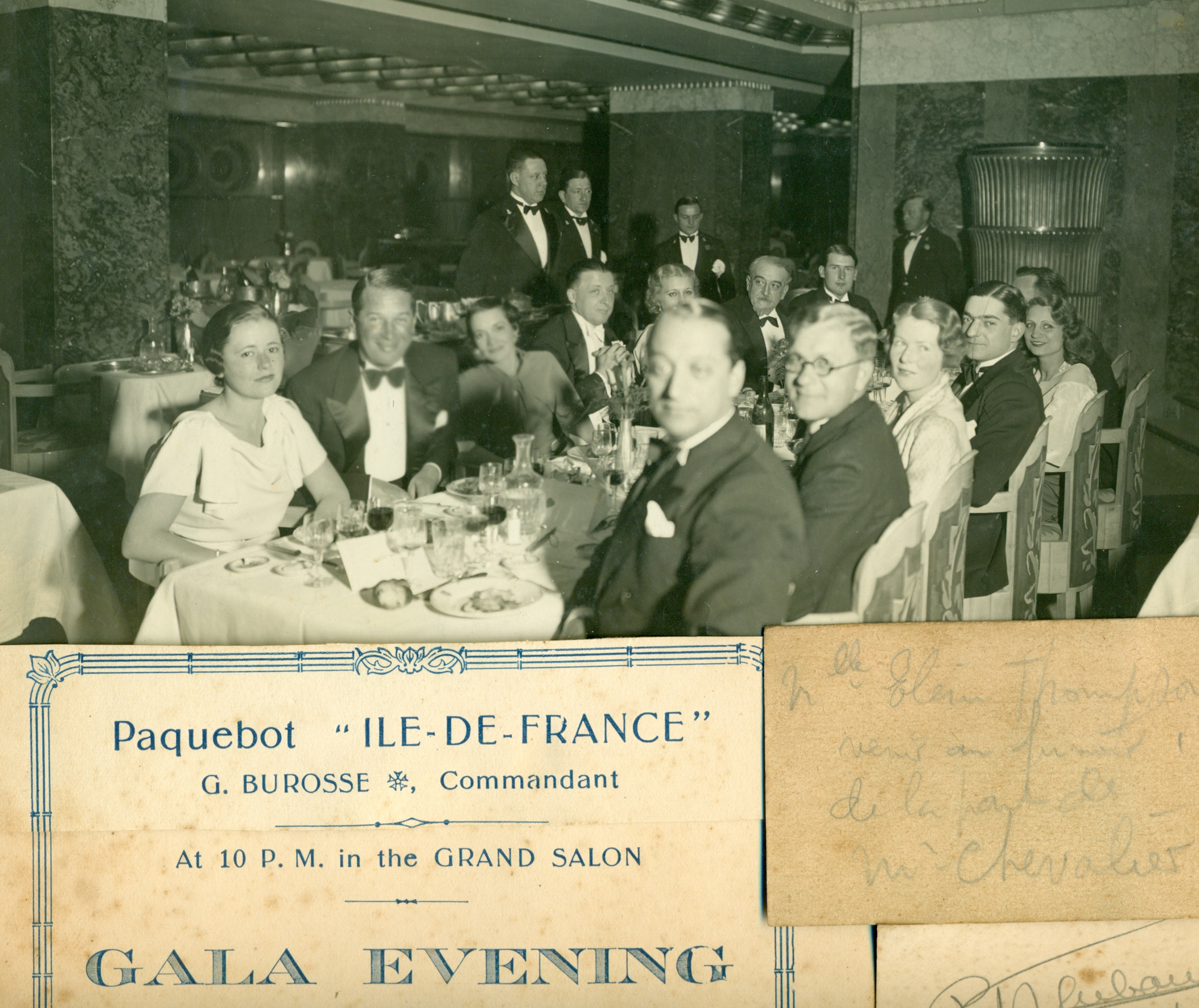
That photo triggered a spark, a slow burning fire I could not ignore. This story had to be shared. The European tours, dancing, dinner with Maurice Chevalier, cruises across the Atlantic on the SS I’le de France, vaudeville with comedians Jans & Whalen. Then off to Rio de Janeiro you sailed, opening at the Copa Cabana. And after your marriage to Chum, and the war broke out you took up ice skating, performing nightly for Sonja Henie’s productions at Rockefeller Center. My God! What a life.

“River of January” is done, as is the sequel, “River of January: Figure Eight.” Preserved in the pages is magic, whether in the sky, on the sea, under the footlights, and revolving across shimmering ice. This story crackles with your energy.

This won’t be neglected any longer. I’m getting out of your way.

With Love, and Eternal Admiration,

Gail

Gail Chumbley is the author of the two-part memoir “River of January,” and “River of January: Figure Eight.” Both titles are available on Kindle.

gailchumbley@gmail.com

A Heady Moment

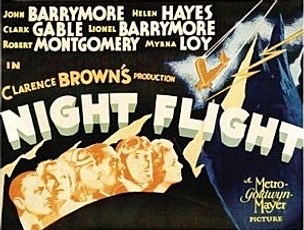
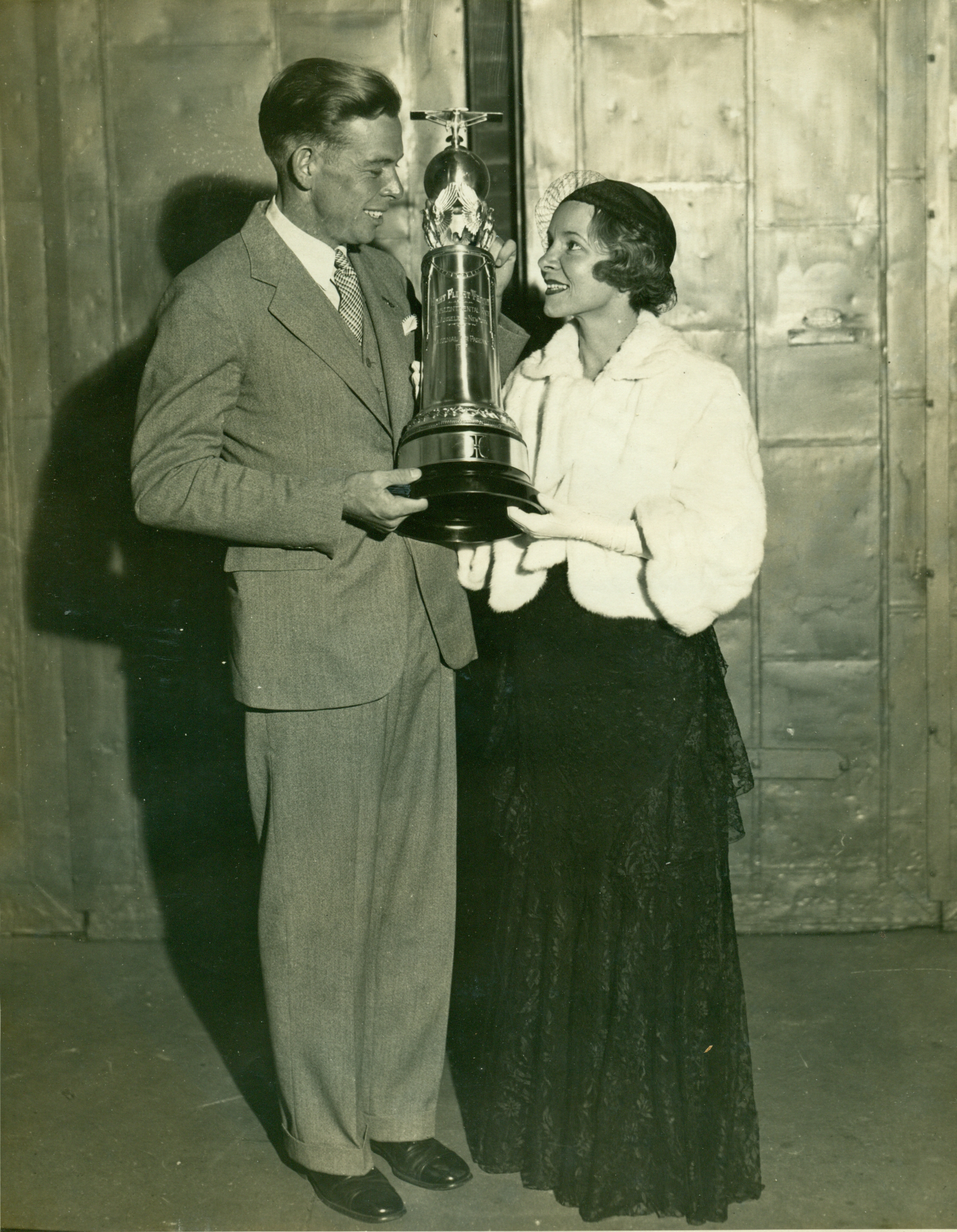
The night race kicked off “Roosevelt Field’s “National Air Pageant.” The event, chaired by First Lady, Eleanor Roosevelt, celebrated aviation and also raised funds for Mrs Roosevelt’s special charities. In addition, the Darkness Derby, competition, promoted “Night Flight” a new Metro Goldwyn Mayer film. The movie premiered at the Capitol Theater the following evening, and leading lady, Helen Hayes emceed the opening. And it was on the Capitol stage that Chum received his trophy from the actress. 

This 1933 Transcontinental Air Race/Darkness Derby/Air Pageant/Film Premier, combined to make the moment a heady one for 24-year-old Mont “Chum” Chumbley. Armed with new friends and clients, and other air enthusiasts from the City, a promising future in flight lay before him. 

Gail Chumbley is the author of the two-part memoir, “River of January,” and “River of January: Figure Eight.” Both titles available on Kindle.

gailchumbley@gmail.com

Half-breeds, Stalwarts, and Mugwumps

His political career was none too stellar, except for that one moment he seized history.

This dapper-looking fellow is President Chester Alan Arthur, (1881-1885). Arthur was considered a dandy, pursuing an opulent lifestyle filled with fine food, drink, and expensive suits; largely paid for from the public trough.

Arthur came of political age in the post-Civil War Gilded Age, a world of political machines, graft and corruption. When a supporter helped their man get elected, position and profit rained down in return.

This dubious system functioned rather well for victorious elective candidates through countless election cycles. The political universe of Chet Arthur and his band of Republican cronies became expert skimmers from the public trough and the public trust. In the Republican Party this faction was christened Stalwarts, and Stalwarts liked their well-oiled approach to public service very much, indeed.

Arthur, himself, had been named Collector for the New York Customs House during the Grant Administration, and money from this lucrative Customs House flowed to Arthur’s friends and political operatives. His particular patron was the powerful New York Senator, Roscoe Conkling, a master in Senate handiwork.

Opposing this Old Guard of money changers were the crudely titled, Half-breeds. This oddly pejorative moniker (too common in that era) represented a growing group of reformers in the GOP who aimed to clean up the corrupt practice of patronage. Senator James G. Blaine of Maine believed government jobs should be based on merit, not connections, and Blaine promoted the use of Civil Service Exams. In other words, Half-breeds endorsed qualified government workers over payola for their friends. The Stalwarts were horrified.

In the 1880 Presidential Election the Republicans, in a heated convention, split the ticket with candidates of both wings. For President, James Garfield, a Half-breed, and for Vice President, Stalwart, Chester Arthur, crony of Sen. Conkling. The Party felt it had fused the differences between the two factions, and the fat cats believed they could continue to prey. Then came the Garfield assassination.

In July, 1881, President Garfield, a distinguished Union general, and a former member of the House of Representatives, appeared at the Baltimore and Potomac Rail Station in Washington DC. In the crowd waited Charles Guiteau, an unhinged, office-seeking Stalwart. Guiteau approached the President in the crowd, shooting him at close range. Garfield died two months later from his infected wounds.

Guiteau had shouted, after opening fire, that he was a Stalwart, and would now get a government job. He didn’t. In fact, all Guiteau received was a date with the hangman, carried out in June, 1882.

And what of Chester A. Arthur? He assumed the presidency in a charged atmosphere of national grief. So changed was Arthur, that he promoted passage of the Pendleton Act of 1883. This act created the Civil Service Commission, and mandated written exams for classes of government jobs. The Stalwarts were horrified, but politically could do nothing. Garfield had been made a martyr for reform, and Arthur took the high road, making that reform real.

Oh, and by the way, the Mugwumps were another reforming splinter of the GOP. So appalled by the legacy of bribery and corruption, they bolted the party in 1884 for Democrat, Grover Cleveland.

Wonder how the 2020 Election will reshape the current GOP?

Gail Chumbley is the author of the two-part memoir, “River of January,” and “River of January: Figure Eight.” Both books are available on Kindle.

gailchumbley@gmail.com


The Almost Cable Guy

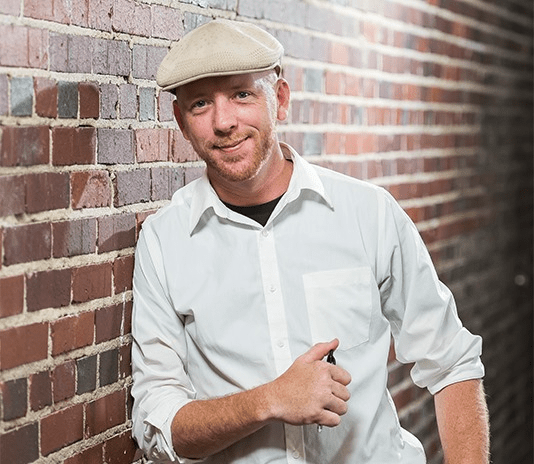
Some of you may know that we signed a film option a while back with Falls Park Entertainment in South Carolina. Brett Kanea, the executive producer, read our script, “Dancing On Air,” then my two books that inspired “Dancing.” Brett found it original and exciting and anticipated producing a successful film. Unexpectedly dear Brett died before any filming began. As you can see he from this pic, he was too young to leave us, and our hearts go out to his family and loved ones. 
The morning he first called to discuss the property I thought he was the cable guy expected later that morning. We laughed about that snafu for months after. 
Though our future in film is unclear, Brett’s warmth, humor, and confidence lingers on. 
Godspeed Brett, the almost cable guy.

Gail Chumbley is the author of the two-part memoir, “River of January,” and “River of January: Figure Eight.” Both are available on Kindle.

gailchumbley@gmail.com


History and a Rollicking Romance

A nice review is a welcome gift for any writer. John Vogel of Preserve Old Broadway graciously published this piece today.

We were supposed to start our exploration of The Vagabond King today. It is a wonderful operetta that is based on the life of Francois Villon, a French poet who allegedly rallied the people of Paris to defend the city against the attack of the Duke of Burgundy. In saving the city, Villon also preserved the monarchy in France, in the person of Louis XI.

My plan has been interrupted by an interesting turn of events. I have just finished reading two books, River of January, Part One, and River of January, Figure Eight. If you love history and a rollicking good romance, you need to read these two books, written by Gail Olson Chumbley.

But well you may ask, how did I come to know about these books and its author?

Shortly after I started posting comments and music on this FB page, I noticed a new visitor to the page, Gail Olson Chumbley. I looked her up and found out that she was an award-winning teacher at Eagle High School, Toppenish, Washington before she retired. She met her second husband, Chad Chumbley, in 1994, and Chad regaled her with stories about his parents, Chum and Helen Chumbley. Eventually, Gail, the history teacher, became curious and dug through boxes of old correspondence and pictures and finally interviewed Chum before his death in 2006. What she found was even more impressive than Chad’s stories, because the lives of Montgomery (“Chum”) Chumbley and Helen Thompson Chumbley were intertwined with key events in American history from 1925 to 1955.

Not ever having written a book before, Gail started the arduous task of translating dead archives back into living human beings. This daunting task was made easier because of her two love affairs: she loved Chum and Helen and she loved their son, Chad. Her writing was a labor of love.

I promised I would read her books one day, but my schedule was busy and “one day” kept moving to the right. Gail ended my procrastination by mailing me both books; and at night before I went to sleep, I would read through 30 or 40 pages. Gail didn’t start to write until she wrote these two splendid books, but what comes through is a historian’s love for detail and context. Gail gives the reader both the overview of history (the big picture) and the personal details of the two people she follows. We follow both Chum and Helen separately until 1936, when they met in Rio de Janeiro and fell in love.

Chum enlisted in the Navy and eventually won a spot in Flight Training in Pensacola, FL. He stayed in the Naval Reserves, even after he left active duty, and began a career that revolved around Waco Aircraft, an early pioneer in aircraft design and manufacturing. Chum was one of the few early aviators who came after WWI but was ready to serve once WWII came into focus. He was one of a handful of pilots who started in planes made of wood and ended in the jet age.

Another pilot, who trained at the Army base at Brooks Field, Texas, was Alexis Klotz. Lex also was involved in delivering the mail, although Lex started on the West Coast. Lex ended his career with TWA and offered to show me around the cockpit of the new Constellation when they went into service. Flying the mail from west to east in the winter was hazardous, and many good but not great mail pilots went down in bad weather. In winter, forced landings almost always resulted in death.

When Chum and Lex flew airplanes, the cockpits were open (it got cold at higher altitudes), and the planes had little if any navigation or communication equipment. Many pilots learned the ground terrain, the railroad tracks and other identifying ground markers to guide them during their many hours in the air. Flying was more art than science.

One the other hand, as Gail explains to us, these pilots loved to fly and may have been more comfortable in the air than on the ground.

But that is only half of the story. The other half of the story involves Helen Thompson who, from an early age, was pushed by her mother, Bertha, into dance. Luckily, Helen learned to love to dance and to perform, in general. From ballet, Helen moved into vaudeville routines and eventually ice skating with skating stars like Sonja Henie. 

But Helen’s career is only part of her story. At each turn in her career, she met famous people and witnessed key events. Coming home from a European tour, Helen performed onboard at the Captain’s request, alongside another performer named Maurice Chevalier. What was more important was the fact that both performers sat at the Captain’s table. Helen dined with the former President of France, Edward Herriot, on his way to Washington DC to confer with FDR in the mid-1930’s.

It is this constant integration of the big picture of history (Chevalier jokingly asking Herriot if he could save the world from Hitler) with the details of Helen’s dance program that make the two books so charming and engaging. We are reading history from the bottom up, living through periods of time through the eyes of Chum and Helen. And it is a wonderful way to learn and was used successfully by Kenneth Roberts in his many books on the American revolution.

For all of you history buffs who like a good romance story, put away David McCullough for a bit and pick up River of January, Part One, and River of January, Figure Eight.

For more from John Vogel visit Preserve Old Broadway on Facebook.

Gail’s books are available at http://www.river-of-january.com, and on Kindle.

gailchumbley@gmail.com