Always On My Mind

fullsizeoutput_55c

Had a six-plus hour drive today; Salt Lake City to my mountain cabin in Idaho. Lengthy car-time, for this Indie writer, always results in exploring fresh ideas for book marketing. I don’t say much to my family, but promoting the two-part memoir, “River of January,” and “River of January: Figure Eight,” is never far from my thoughts, and I’m pretty sure this is true of fellow writers.

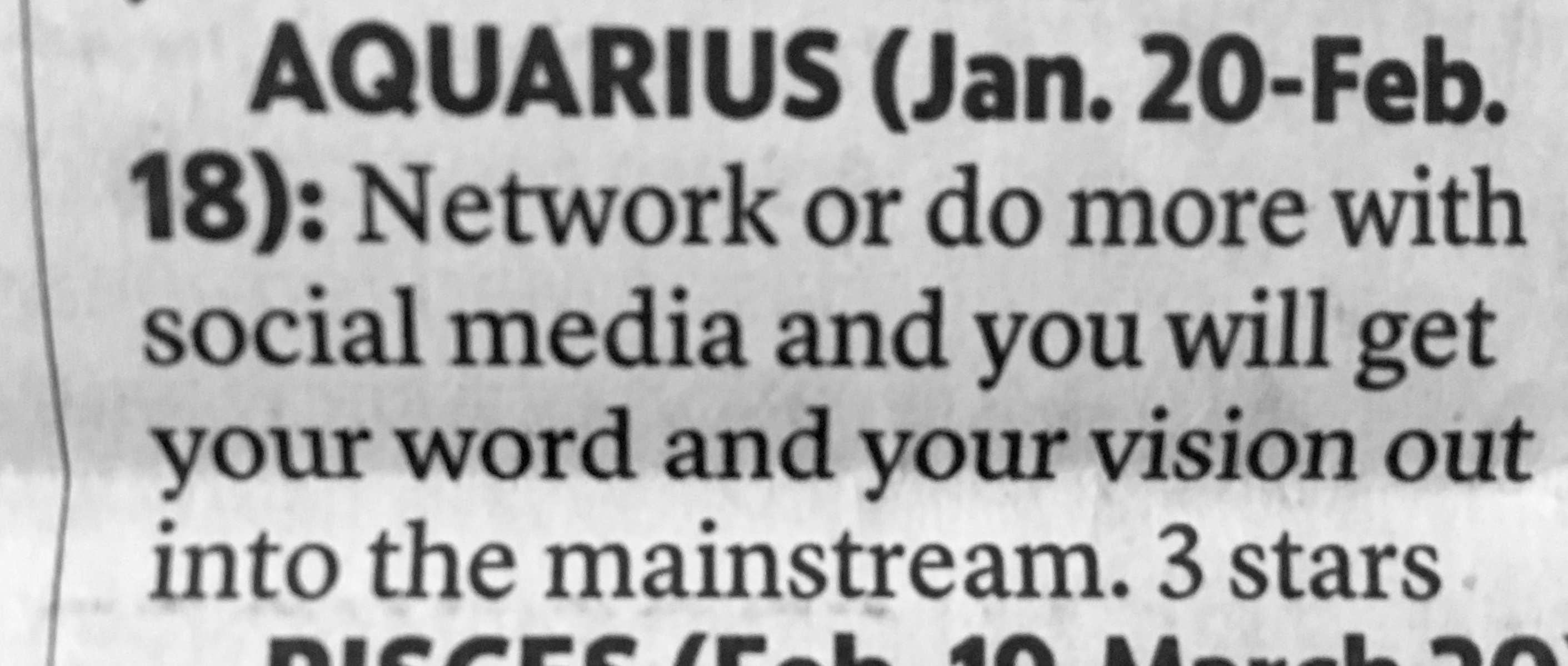
Finally made it home, chatted with the husband, did a little of this and that, then idly picked up today’s newspaper. Now, I’m not an avid follower of the mystic, but being an Aquarian, (there’s a song about us, you know) I sometimes do indulge. And, as you can see the cosmos told me to do this, so by damn, I am.

Dear reader, if you enjoy a true American story, set in the American Century, get River of January and River of January: Figure Eight. In the pages, you will experience adventure, travel, glamour, and romance. Aviation enthusiasts relive the thrills and peril of early flight, theater fanciers follow an aspiring dancer as she performs across international stages, and takes her chances in Hollywood.

Take it from the author–in peacetime and in war–this two-part memoir is richly entertaining.

http://www.river-of-january.com. Also available on Amazon.com

Gail Chumbley is an award winning instructor of American history and the author of the two-part memoir, “River of January.”


Tagwords

World War One, The Great Depression, Vaudeville, Golden Age of Aviation, Amelia Earhart, Golden Age of Hollywood, Rise of Fascism, Waco Aircraft, Professional Ice Skating, Sonja Henie, World War Two, Battle of the Atlantic, Pearl Harbor, War in the Pacific, Cold War, Sun Belt, America as a World Power.

Get the two-part Memoir, River of January and River of January: Figure Eight and connect these fascinating dots. Also available on Amazon.com

If you’ve enjoyed this adventure, leave a review on Amazon.com. Thanks, Gail.


New Birth of Freedom

th

We all know the story.

On a mild April night, President and Mary Lincoln attended the final performance of the popular comedy, “Our American Cousin,” at Ford’s Theater. Lincoln, by all accounts was in a light, blissful mood. A week earlier Confederate forces commanded by Robert E. Lee had surrendered at Appomattox Courthouse, Virginia, and except for some dust ups, the Civil War had ceased. We also know that John Wilkes Booth, and fellow conspirators plotted to kill, not only the President, but the whole order of presidential succession; Vice President Andrew Johnson, Secretary of State William Seward, etc . . . but only Booth followed through with that night’s violence.

Andrew Johnson took office in a whirlwind of shifting circumstances. In the year up to President Lincoln’s death a notable power struggle had taken shape between the President and Congress. America had never before endured a civil war, and the path to reunion had never been trod. As President, Lincoln believed the power to restore the Union lay in the executive branch—through presidential pardon. But an emerging faction in the Republican Party, called the Radicals saw the issue differently. These men operated from the premise that the Confederate States had indeed left the Union—committed political suicide at secession—and had to petition Congress for readmission. (Congress approves statehood). And this new president, Andrew Johnson, was determined to follow through with Lincoln’s policies.

Unfortunately, Johnson was by temperament, nothing like Abraham Lincoln. Where Lincoln had a capacity to understand the views of his opponents, and utilize humor and political savvy, Johnson could not. Of prickly character, Andrew Johnson entered the White House possessed by deeply-held rancor against both the South’s Planter Class, and newly freed blacks. This new Chief Executive intended to restore the Union through the use of pardons, then govern through his strict interpretation of the Constitution. Johnson had no use for Radical Republicans, nor their extreme pieces of legislation. Every bill passed through the House and Senate found a veto waiting at Johnson’s desk, including the 1866 Civil Rights Act, and the adoption of the Freedmen’s Bureau. Congress promptly overrode Johnson’s vetoes.

Reconstruction began with a vicious power struggle. And much of the tumult came from Andrew Johnson’s inability to grasp the transformation Civil War had brought to America. While the new president aimed to keep government limited, the Radicals and their supporters knew the bloody struggle had to mean something more—America had fundamentally changed. Nearly 700,000 dead, the emancipation of slavery, the murder of Father Abraham, and a “New birth of Freedom” had heralded an earthquake of change.

But Johnson was blind to this reality, seeing only an overreaching Congress, (Tenure of Office Act) and Constitutional amendments that had gone too far. And so it was a rigid and stubborn Andrew Johnson who eventually found himself impeached by a fed-up House of Representatives. Johnson holding on to his broken presidency by a single Senate vote.


There have been other eras in America’s past that fomented rapid changes. The Revolution to the Constitutional period, the First World War into American isolation, the Vietnam War stirring up protest and social change. All concluding with reactionary presidencies. No less occurred with the 2016 election of Donald Trump.

2008 to 2016 witnessed social change of a new order. Administered by America’s first African-American President, Barack Obama, liberty reached further, bringing about change where once-closeted American’s hid. Gay marriage became the law of the land, upheld by the Supreme Court in Obergefell V Hodges. The trans community found their champion in Bruce, now Caitlin Jenner. Health care became available to those caught in relentless poverty and preexisting conditions. Undocumented young people were transformed into “Dreamers.” And though he didn’t take the Right’s guns, President Obama did successfully direct the mission to nab Osama bin Laden, America’s most wanted man.

So when former students began sending horrified texts to me, their old history teacher on election night, 2016, I gave the only explanation history provided. The Obama years introduced change to America that reactionaries could not stomach. (And yes, racism is certainly a large part of the equation).

So now we deal with a Donald Trump presidency. But, Mr. Trump would be wise to acknowledge and accept what has transpired in the last eight years. The thing about expanding the ‘blessings of liberty,’ is no one is willing to give them back. When push comes to shove, the new president may find himself facing the fate of Andrew Johnson.

Gail Chumbley is the author of River of January and River of January: Figure Eight. Also on Amazon.

Indie Everyday

A4904C51-3483-49D0-8D64-E022F045510C

With apologies to Nathanial Hawthorne, this shirt is my version of the Scarlett Letter.  “Hello, my name is Gail, and I’m an Indie author . . . the process is hard, but very gratifying (even while pulling weeds in the garden).

This weekend I invite you to pick up River of January, and the sequel, River of January: Figure Eight.  If in Boise, check out Rediscovered Books, in Salt Lake, Sam Weller’s in Trolley Square, and Spokane’s Aunties Books. Also available on Amazon.com.

Gail Chumbley is the author of the two-part memoir, River of January.

Ouch?

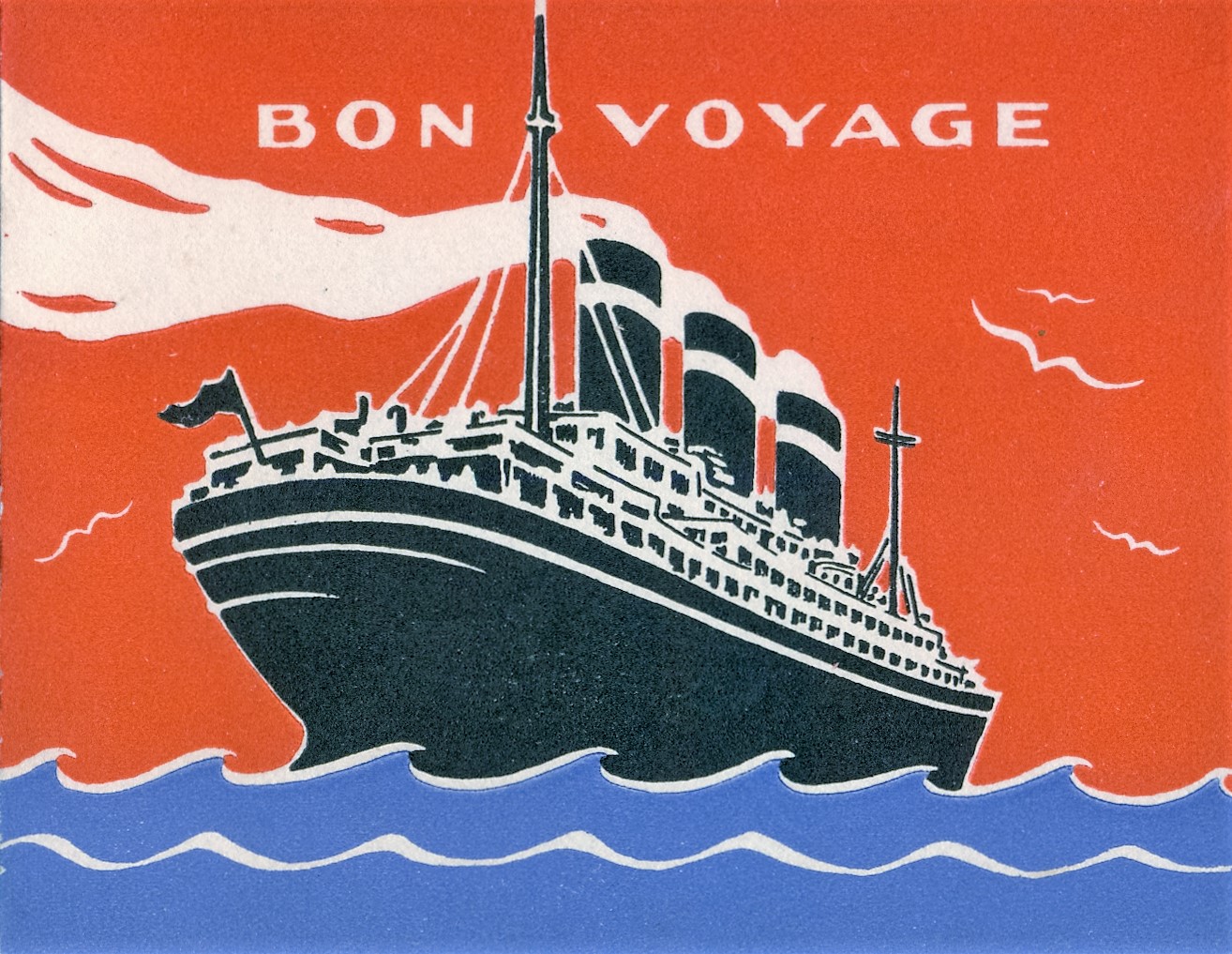
bonvoyagecard10001So I just read a scathing review of my first book, “River of January.” This reader really hated it, and made a real effort to express her distaste. To say she went out of her way to revile the story doesn’t do justice to the term ‘condemnation,’ and continued to blast me as the author.

So how exactly does a writer react to such a scorcher of a reprimand?

I’d like to get upset and obsess over the two measly stars and every berating word in the post. But I can’t seem to throw myself on that grenade. And much as I’d like to feel mortified and humiliated, I don’t. All that reacting is just too much work–takes too much energy. Besides, if the aim of a book is to elicit an emotional response, then, I suppose, my book has found a kind of success.

Three years ago this review would have destroyed me, almost as if someone had pointed out that my beautiful new baby is actually ugly, and that I’m a blind fool. But as a writer I’ve let go of that kind of perfectionism, and any illusion that I fart roses.

This true story is what it is, and I happen to think it’s damn good, and count myself lucky that it came into my life.

So what now?

I turn on my laptop and compose this blog. Writing is what I do. And some will connect to my  voice and identify with this quandary. Others have already clicked cancel.

I suppose that’s why cars come in different colors.

Gail Chumbley is the author of the two-part memoir River of January and River of January: Figure Eight.


Freddie Trenkler, War Refugee

Comic skater, Austrian Freddie Trenkler, a cast member in the Sonja Henie Ice Shows, drew countless laughs, and more than a few gasps with his slapstick and death-defying style. This young man, only 27 years old, his identity concealed behind grease paint and rags, ironically shared much in common with his vagabond alter ego.

It was early in the Second World War, and the German war machine blazed across Europe; blitzkrieg overwhelming the Low Countries and France. Freddie’s homeland had fallen much earlier–Nazi occupation of Austria bloodlessly completed in 1938 (think “Sound of Music”). It appears that the Jewish Trenkler had escaped to America, tragically leaving his family to suffer a calamitous fate.

The investigation of papers, pictures, letters, and other mementoes I used in writing River of January, and River of January: Figure Eight, revealed that many of the talented skaters who performed in the Henie productions arrived in America desperate war refugees, who had escaped certain death at the hands of the Nazi’s.

Enjoy this clip of Henie, Trenkler, and the company of ice skaters, (one of whom is Helen Thompson, a subject in both books). However, keep in mind the desperation and harrowing narrative that Trenkler and many others carried to the ice.


Trenkler0001

Independent Book Stores!

Calling all readers!! April 29th is Independent Book Store Day! Hurry down to Rediscovered Books in Boise, and get your copy of River of January and River of January: Figure Eight. Take a picture holding the book!!

In Salt Lake City check out Wellers Bookworks in Trolley Square, and Aunties in Spokane! 

Support indie book writers and sellers. 

Books are boss!

Words of Honor

appomattoxprintlarge2

Union General, Joshua Lawrence Chamberlain, in a 1901 interview for a Boston newspaper, shared his recollections of the Confederate Army’s surrender at Appomattox Courthouse, Virginia.  Tasked by General Ulysses S. Grant with the formal 1865 surrender of Rebel arms and military gear, Chamberlain described that April day in remarkably vivid detail, despite the passage of over 30 years.

“At a distance of possibly twelve feet from our line, the Confederates halted and turned face towards us. Their lines were formed with the greatest care, with every officer in his appointed position, and thereupon began the formality of surrender.

“Bayonets were affixed to muskets, arms stacked, and cartridge boxes unslung and hung upon the stacks. Then, slowly and with a reluctance that was appealingly pathetic, the torn and tattered battleflags were either leaned against the stacks or laid upon the ground. The emotion of the conquered soldiery was really sad to witness. Some of the men who had carried and followed those ragged standards through the four long years of strife, rushed, regardless of all discipline, from the ranks, bent about their old flags, and pressed them to their lips with burning tears.

“And it can well be imagined, too, that there was no lack of emotion on our side, but the Union men were held steady in their lines, without the least show of demonstration by word or by motion. There was, though, a twitching of the muscles of their faces, and, be it said, their battle-bronzed cheeks were not altogether dry. Our men felt the import of the occasion, and realized fully how they would have been affected if defeat and surrender had been their lot after such a fearful struggle.
. . . “But, as I was saying, every token of armed hostility having been laid aside, and the men having given their words of honor that they would never serve again against the flag, they were free to go whither they would and as best they could. In the meantime our army had been supplying them with rations. On the next morning, however, the morning of the 13th, we could see the men, singly or in squads, making their way slowly into the distance, in whichever direction was nearest home, and by nightfall we were left there at Appomattox Courthouse lonesome and alone.”

Gail Chumbley is the author of the two-part memoir, River of January and River of January: Figure Eight. Also available on Amazon.com

Tell Me a Story


Drawing inferences; the ability to examine evidence and attach meaning, was the bedrock of my history classes. Believe it or not, forming conclusions from documents isn’t intuitive for everyone, and more often than not, an acquired assessment skill.

Context is huge . . . the medium, (photo, painting, film clip, political poster, diary entry, news story) allows a document to fit into a broader story. And that same critical thinking skill is what I had to use in my books, “River of January,” and “River of January: Figure Eight.”

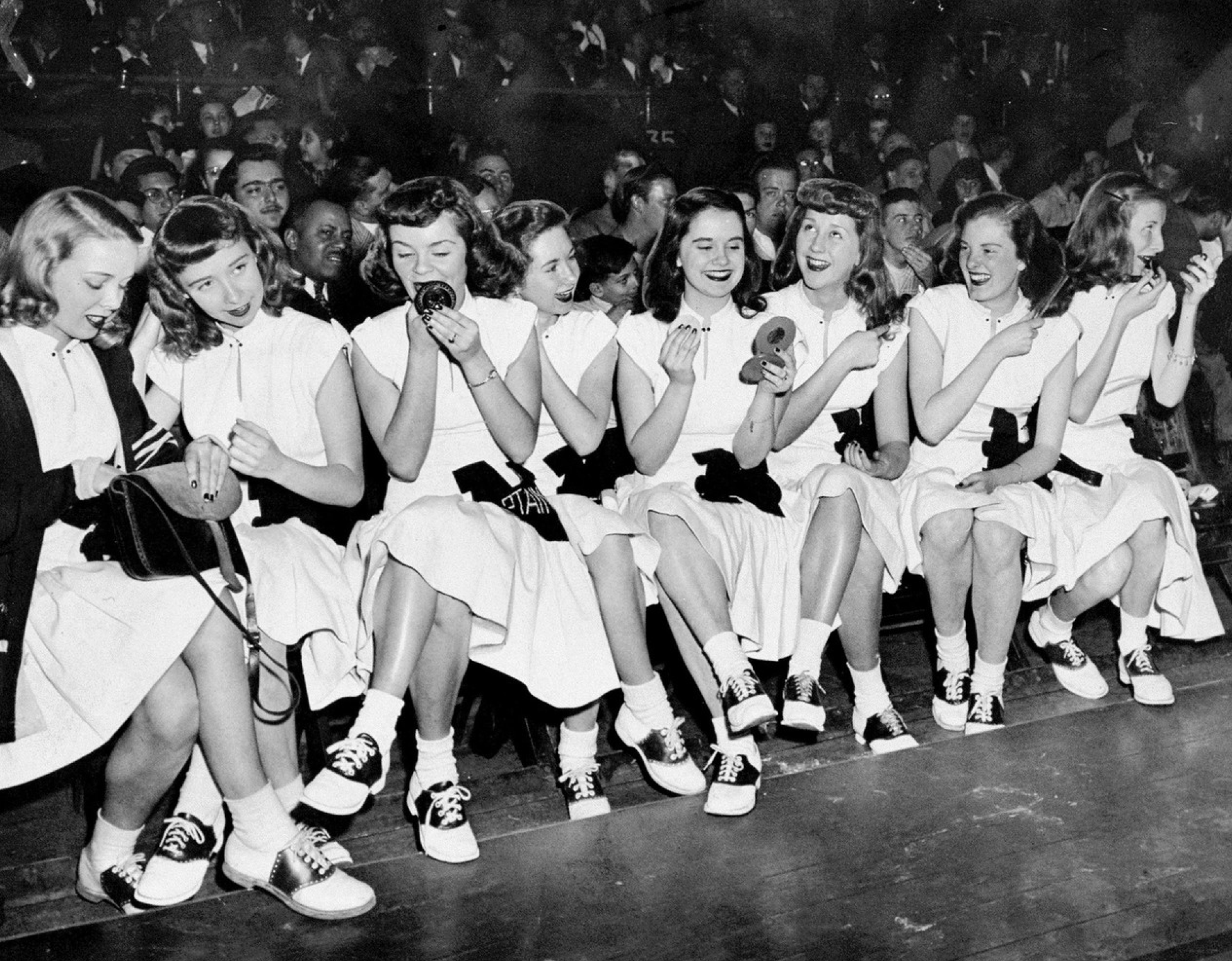
Please examine the following images from the archive and make them fit into a narrative.

Happy Friday


Gail Chumbley is the author of the two-part memoir, River of January, and River of January: Figure Eight. Visit her website at www.river-of-january.com or order on Amazon.com