January in January

41MhW6BOdRL._SY400_


Beginning Sunday,  January 27th,  “River of January: Figure Eight,” Kindle edition, is on sale. Purchase “Figure 8” for .99 cents until February 3rd.

Gail Chumbley is the author of the two-part memoir, “River of January” and “River of January: Figure Eight.” Visit our webpage at www.river-of-january.com

A Seasoned Veteran

This is an excerpt from “River of January: Figure Eight.”

After waiting nineteen months for his transfer west, the actual trip raced by almost too rapidly. One morning he boarded a train in New York City, the next he soared over the Ko’olau Mountains of Oahu. This war waited for no one, and Chum’s new duties began at once.

Lesser damage from the 1941 assault on Pearl Harbor had been cleared away. The runways, taxiing strips, airfields, and hangars bore little evidence of the strafing and bombing that had rained down a year and a half earlier. Not gone from view, however, was the lifeless hulk of the once proud battleship USS Arizona. Broken in the harbor, she had been cut dead in her moorings. Nearby, her sister, the USS Oklahoma, listed unnaturally on her side—both vessels now sacrificed ruins lying prostrate on Battleship Row. The twin wreckage supplied all the reminders Chum needed of why he had come to the Pacific.

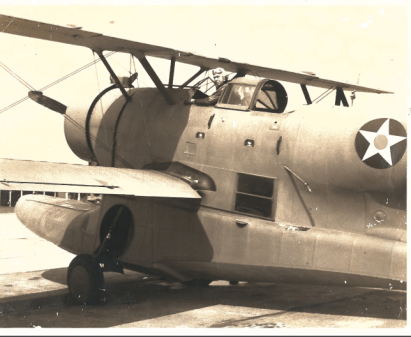
Billeted in junior officer housing at Makalapa, the pilot began each morning commuting past the somber remains in the harbor to attend briefings and equipment familiarization. Assigned to Air Transport Squadron Ten, Chum straightaway began logging air time aboard another giant seaplane—the Martin PBM-3 Mariner. Designed for heavy cargo and armaments, this aircraft was enforced with a deep hull. The lieutenant spent his flight time practicing raising the titan from the sea and maneuvering under the weight of heavy payloads.

Opening his orders on July fifth, the lieutenant—along with his newly attached co-pilot, Lieutenant Richard Forman, and seven crewmen—departed from the waters of Pearl Harbor for Johnston Island, 750 nautical miles deeper into the Pacific. On board, the Mariner carried a hefty cargo of medical supplies, military dispatch files, and bags of civilian mail. Lieutenant Chumbley covered his maiden flight in five hours and forty minutes—enough hours, under wartime conditions, to render him a seasoned veteran.

Gail Chumbley is the author of “River of January,” and “River of January: Figure Eight.” Both titles available at http://www.river-of-january.com and on Amazon and Kindle.
Catalina2


Happy Tidings


Image41MhW6BOdRL._SY400_

An extraordinary event has come our way. River of January, then River of January:Figure Eight are to become feature films. We have signed an option agreement with Falls Park Entertainment of Greenville, South Carolina to bring Helen & Chum’s story to the silver screen. Pinch me, I must be dreaming.

Books are available at http://www.river-of-january.com, and at Amazon.com

History of an Era

airclip0001

October, 1933

By luck or accident the review below popped up on the internet. It’s nearly a year old, and a bit of a nice surprise. Thank you Connie Daugherty wherever you are.

Recommended Reading: River Of January

Posted By: idahosrind

by CONNIE DAUGHERTY

River of January by Gail Chumbley; 2014

Mont “Chum” Chumbley is a pilot. He’s a natural, and he lives to fly. Helen Thompson is a dancer. She’s a natural, and she lives to dance. They come from different worlds and have nothing in common. Yet they are very much alike and destined to be together.

In her 2014 award-winning biography, River of January, Gail Chumbley follows the lives of her husband’s parents from 1927 through 1936. Using their letters, shared stories, and interviews, along with her own storytelling skills, Chumbly has created an informative and entertaining book that reads more like a novel than a biography. It details the struggles of not only the individual characters, but of the world through the Great Depression and events leading to WWII.

River of January includes historical details of the entertainment business from the decline of vaudeville to the emergence of talkies (motion pictures with sound). As well, the book reveals how developments in aviation also moved quickly in the 1930s. Chumbly adeptly follows those drastic historical changes.

Having both come from humble beginnings, Helena and Chum each choose career paths eventually lead them to their first meeting.

At 18, Chum joins the Navy with the hopes of becoming a pilot. He works his way through the military bureaucracy, getting assignments everywhere, it seems, other than at flight school. His lack of education holds him back, but he’s determined to fly.

He has something to prove to his family, to himself. So, when an opportunity presents itself Chum accepts it.

“A nervous and sleep-deprived Mont Chumbley reported for flight elimination exercises.” Everyone expects him to wash out; after all, he has failed the entrance exams more than once. But Chum knows all he needs is a chance to prove himself.

Meanwhile, Helen has her own struggles. While confident and self-assured on stage, off stage she is a pawn of her controlling mother’s insecurities and personal dreams. The only way Helen seems able to escape—while keeping her mother at least somewhat satisfied—is to accept jobs that take her away from her New York home. She finds herself traveling with dance troops throughout Europe.

This need to escape home and family in order to discover and develop their true potential is one thing Helen and Chum have in common, though the way they deal with it is very different.

Eventually, the stock market crash throws the whole world into economic turmoil, which leads to political turmoil, and Helen and Chum are caught up in it all as the entertainment business and the technology of aviation transform.

Chum finds himself, restless and bored, with a job in West Palm Beach, Fla. He jumps at an opportunity to demonstrate Waco Aircraft Company’s new fighter plane for the Brazilian government down in Brazil.

Meanwhile, Helen is back in New York as 1934 slides into 1935, working in a three–person act under her mother’s watchful and domineering presence. Helen, too, is getting restless and ready for change. “She also knew her time had come to move on from their partnership. She hoped her mother would see it the same way.”

Helen flees New York on a ship to Brazil and lands a gig dancing in a club regularly frequented by Americans. “Three young men seated near the dance floor caught her eye, clearly American by their dress and relaxed posture.” One of those young men is Chum, and he catches her attention immediately.

“This new girl, this sparking, compelling blonde on the stage, radiated a magnetism that surprised him.” In a moment, as their eyes meet, the pilot and the dancer connect. And although they try to be together as much as possible, they each have careers and obligations that take them in different directions.

Eventually, Chum proposes, and Helen accepts. They plan to live in Rio de Janerio, but it isn’t that simple.

Between Helen’s mother, who disapproves of their union, and the war, the young couple’s letter transcripts reveal their struggle against seemingly unmovable objects to continue their love and establish a life together.

In 2016, Chumbley published River of January: Figure Eight, picking up where the award-winning River of January dramatically left off. In the sequel, she tells the story of their continued courtship, marriage, and struggle to keep their love intact, despite the challenges of WWII and the unrelenting interference of Helen’s mother. It is the realism of the story—the struggles and successes, the bad times and the good, as well as the author’s narrative—that keeps readers enthralled and turning pages. These two books are more than a family biography. In telling the story of these two intriguing and imperfect people, Chumbley has captured and preserved the history of an era.

Chumbley is a retired history teacher. In 2005, she received the Outstanding Teacher of American History from National Daughters of the American Revolution in Washington DC. A native of the Pacific Northwest, the author was born and raised in Spokane, Wash., and earned a history degree from Western Washington University in Bellingham, Wash. Chumbley and her husband currently live near Boise, Idaho. She received the 2016 Idaho Author’s Award for Memoirs and Biography for River of January.

https://idahoseniorindependent.com/recommended-reading-river-january/

Gail Chumbley is the author of the two-part memoir River of January and River of January: Figure Eight. Available at http://www.river-of-january.com, and on Kindle.

gailchumbley@gmail.com

Mont Chumbley: Night Flyer

chumrio2


Sure he was far behind, Mont Chumbley pushed his Waco Cabin C through the night sky. Fresh from the Navy, the young aviator found himself wondering why in the world he’d agreed to enter this “Darkness Derby” competition in the first place.

Called “Chum” by his friends at Roosevelt Field, the pilot had begun a civilian career out of a Western Aircraft Company (Waco) hangar near Mineola, Long Island. Transporting press photographers and reporters to breaking news locations, plus teaching flight to the rich and famous, including Jaqueline Cochrane and Kathryn Hepburn, he found his niche. A 1933 flight to a horse track in Maryland set Chum’s course for the night race he now anxiously questioned.


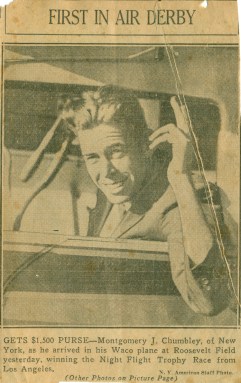
Richard Ross, a financier who held a seat on the New York Stock Exchange, was the horse fancier who hired Chum. Ross needed a quick hop to Harve De Grace Track outside Baltimore, Maryland for a horse he had going on the afternoon card. Extremely impressed by the young pilot’s skill, (Chum landed his Waco in the track’s infield) Ross soon offered to pay for modifications to Chum’s Waco if the flyer would agree to enter the transcontinental Darkness Derby. Considering $1,500 in prize money that could really help him out, the young aviator agreed to enter.

Chum set off on September 29th, heading west, flying cross-country to his final destination—Glendale California’s Grand Central Terminal, the starting point for the air race.

Seeded second in a slate of seven planes, positions rated by horsepower and speed, Chum lifted into the growing dusk on October 1, 1933. Guided by a compass and tracking a full moon, the determined young pilot found conditions perfect, the clear night air permitting his Waco a smooth passage.

Before takeoff, Chum studied his competitors, becoming familiar with the pilots and aircraft he had to beat. Merle Nelson of Los Angeles flew a Stinson Cabin powered by a 200 hp Lycoming engine, and looked tough. Frank Bowman of El Paso, Texas in his 90 hp Lycoming engine Monocoupe appeared to be a contender as well. His own Waco Cabin purred with a 210 hp Continental engine, and Chum knew he could open it up to over 130 miles an hour, if necessary.

The moon as his guide, the Mojave Desert illuminated below, the little Waco pushed onward. Setting the aircraft down in Albuquerque, the pilot dutifully checked in with the ground judges, and then hurried to re-fuel. Making small talk with the teenager servicing his plane, Chum was told someone else had already landed and gone. Panic stricken, he cut the conversation short, and returned to the air as fast as he could. It was now that he pushed that plane full bore, resolved to catch up and beat any opponent.

At 9:37am, Mont Chumbley taxied onto the ground in Wichita, completing the first leg of the race in 12 hours and 17 minutes. There had been no other plane, at least not in this race. The kid in Albuquerque had been wrong. Four hours later Nelson arrived, and three other planes still in contention lagged far behind. Following a bit of rest at the field, then carefully inspecting the soundness of his equipment, the derby leader once again rolled down the runway, lifting off into the eastern sky.

Following another quick stop in Indianapolis to check in and fuel his Waco, the pilot learned he still held on to the lead. Satisfied, he returned to the darkness, fairly certain of a pending victory. However, that assurance evaporated when layers of cloud-cover compounded with darkness convinced the pilot that he had become utterly lost. Pushing on, buffeted about by worsening conditions, Chum began to worry he was squandering valuable time. Wracking his brains for deliverance, his aviator eyes suddenly spotted a break in the thick swirling mist. Not hesitating a moment, the Waco slipped through the hole that fortune had sent his way.

Underneath, clearly defined in the infinite blackness beamed a tiny, dim light. One. Chum decided to take his chances and try to figure out where he was. The landing didn’t go well. In swells of bumps, the Virginia farm boy realized his wheels were pounding on furrows of newly cleared fields. Drawing closer to that isolated light, Chum made out the side of a house, with an extended porch. Someone had to be inside.


He rapped on the weathered door, and waited. Sounds of scraping and thumping grew louder until the door opened revealing an equally weathered farmer, and his disheveled wife holding a candle. Chum smiled through the entryway, and in a friendly voice explained his dilemma. The farmer stared a moment, measuring the stranger’s sincerity, then decided to let him in.

As the wife poked the coals in the wood stove, and reached for the coffee pot, the farmer spread out maps on the table. Chum soon learned he had landed in western Pennsylvania, and wasn’t too far off course. Profoundly relieved, the young man stuffed cake in his mouth, downed a cup of coffee, and in a rush of heart-felt thanks again bumped over the dark fields back into the sky.
airclip0001

The darkness soon transformed to early morning, and Chum wondered again where his fellow competitors were located. He knew he hadn’t lost too much time with his unexpected stop, but still fretted, uncertain about the status of the other flyers. Worried about the constant cloud cover that didn’t want to clear, he decided, as a last resort, he’d head out over the Atlantic, look for another break, and duck through. But once again luck smiled, and in the perfect light of morning, a providential clearing appeared and Chum took advantage.

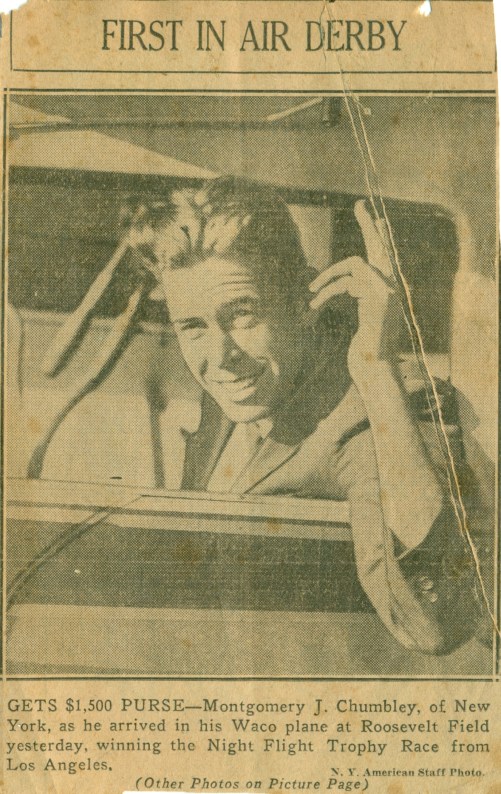
On October 4, 1933 Montgomery Chumbley landed on Roosevelt Field #2, seeming the winner of the 2006 miles long Darkness Derby. However, judges and spectators rushed the plane, arms waving, and clipboards flashing to warn him he’d landed on the wrong strip! Shutting down his plane would have meant disqualification. Without a pause, Chum quickly taxied to Field #1, then turned off his engine, and in 24 hours, 12 minutes (two added for the last minute taxi) won the transcontinental air race.


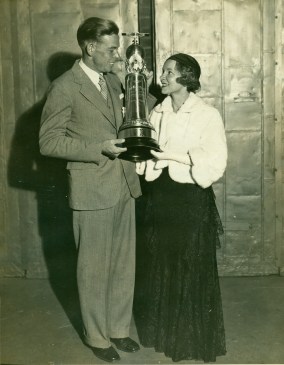
The competition had been set as a preliminary event leading to Roosevelt Field’s National Air Pageant. The widely lauded landing launched the festivities planned for the rest of the week, including an exhibition by German stunt pilot, Ernst Udet. Mrs. Eleanor Roosevelt chaired the pageant, with proceeds earmarked for her charities, and Warner Brothers shared by premiering their newest film “Night Flight,” starring Helen Hayes and Clark Gable. On the evening of October 5, in a theater filled with flyers, Miss Hayes presented Chum with a trophy and his winnings, before screening the film. (Merle Nelson received $750 for second place, and Bowman $500 for coming in third.)


As for Chum in the days and weeks after the race? He became a minor New York celebrity, with aspiring students and eager press lining up for his flying services. In 1934 Waco hired him sending him to Rio de Janeiro to sell equipment to the Brazilian, and Argentine air ministries. By the time the Night Flight winner returned to the States in 1936, Mont Chumbley was the most prolific overseas salesman Waco employed.
helenhayes0001


Gail Chumbley is the author of “River of January,” a memoir. Look for “River of January: Figure Eight” out in November, 2016. Visit “River’s: home page at http://www.river-of-january.com.   

 

Hat In The Ring (2)

IMG_0955

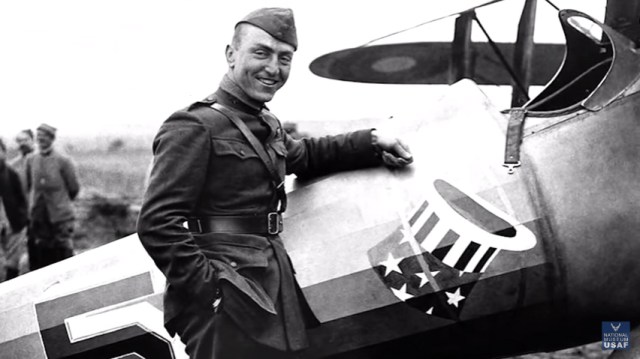
Captain Eddie Rickenbacker poses with an aircraft bearing the emblem of the 94th Aero Squadron. Image courtesy of the National Museum of the U.S. Air Force via Youtube.

This is World War One flying ace, Eddie Rickenbacker. Young Rickenbacker soared the deadly skies over France as a member of the 94th Aero Squadron. He engaged in dogfights piloting Nieuports and Spads, earning the distinction of most decorated American pilot of the war. The insignia of the 94th was the “Hat In The Ring,” seen above.

Rickenbaker0001

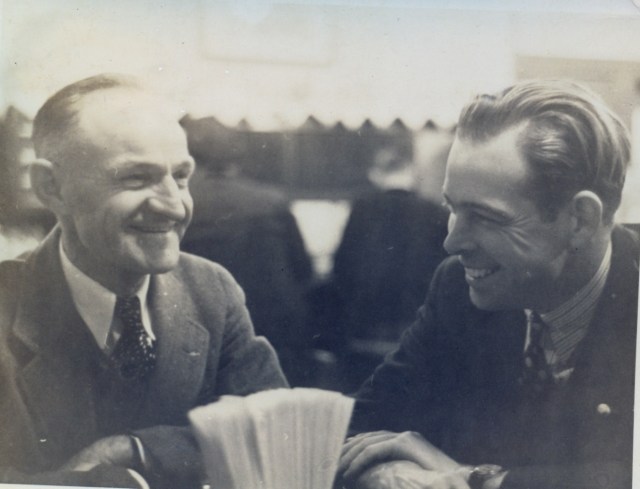
Here is Captain Rickenbacker in the 1950’s while he was president of Eastern Airlines. He is lunching with Mont Chumbley, a proud career pilot for Rickenbacker’s “Great Silver Fleet” from 1940 until retirement in 1969. Mont, known as “Chum” is the subject of my two-part memoir, “River of January,” and “River of January: Figure Eight.”

MightyMonty20001

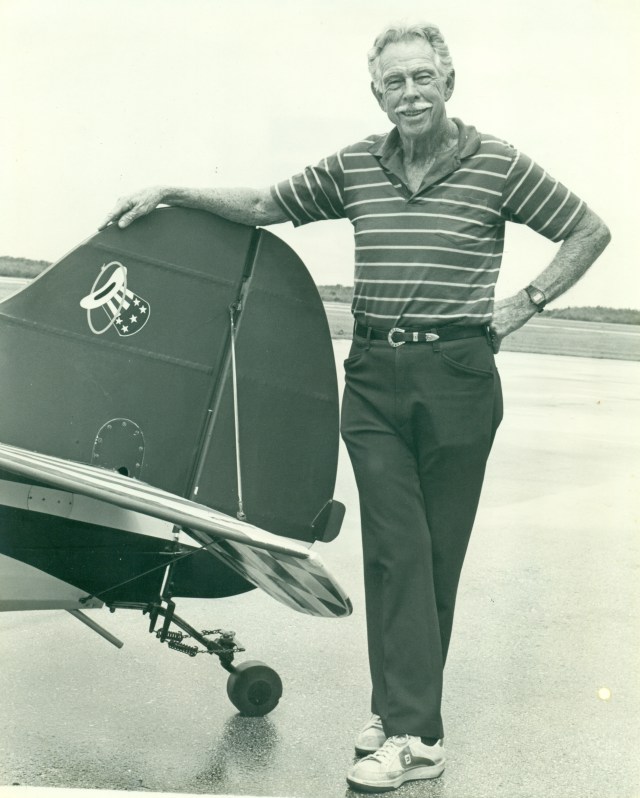
And here stands Mont Chumbley next to his Pitts Special Aerobatic plane in the 1980’s. In memory of his famous employer, “Chum” stenciled the “Hat In The Ring” to his sports plane.

Gail Chumbley is the author of both titles available at http://www.river-of-january.com. Also on Amazon.com.



Thanks for Noticing

“River of January,” and “River of January:Figure Eight” have garnered some recognition. Find out why today. Click this link www.river-of-january.com, and order your own copies, personally signed by the author.

Award winning history instructor, Gail Chumbley is the author of the two-part memoir River of January and Figure Eight.

Always On My Mind

fullsizeoutput_55c

Had a six-plus hour drive today; Salt Lake City to my mountain cabin in Idaho. Lengthy car-time, for this Indie writer, always results in exploring fresh ideas for book marketing. I don’t say much to my family, but promoting the two-part memoir, “River of January,” and “River of January: Figure Eight,” is never far from my thoughts, and I’m pretty sure this is true of fellow writers.

Finally made it home, chatted with the husband, did a little of this and that, then idly picked up today’s newspaper. Now, I’m not an avid follower of the mystic, but being an Aquarian, (there’s a song about us, you know) I sometimes do indulge. And, as you can see the cosmos told me to do this, so by damn, I am.

Dear reader, if you enjoy a true American story, set in the American Century, get River of January and River of January: Figure Eight. In the pages, you will experience adventure, travel, glamour, and romance. Aviation enthusiasts relive the thrills and peril of early flight, theater fanciers follow an aspiring dancer as she performs across international stages, and takes her chances in Hollywood.

Take it from the author–in peacetime and in war–this two-part memoir is richly entertaining.

http://www.river-of-january.com. Also available on Amazon.com
Gail Chumbley is an award winning instructor of American history and the author of the two-part memoir, “River of January.”


Indie Everyday

A4904C51-3483-49D0-8D64-E022F045510C

With apologies to Nathanial Hawthorne, this shirt is my version of the Scarlett Letter.  “Hello, my name is Gail, and I’m an Indie author . . . the process is hard, but very gratifying (even while pulling weeds in the garden).

This weekend I invite you to pick up River of January, and the sequel, River of January: Figure Eight.  If in Boise, check out Rediscovered Books, in Salt Lake, Sam Weller’s in Trolley Square, and Spokane’s Aunties Books. Also available on Amazon.com.

Gail Chumbley is the author of the two-part memoir, River of January.

Dancers and the Lady Pilot


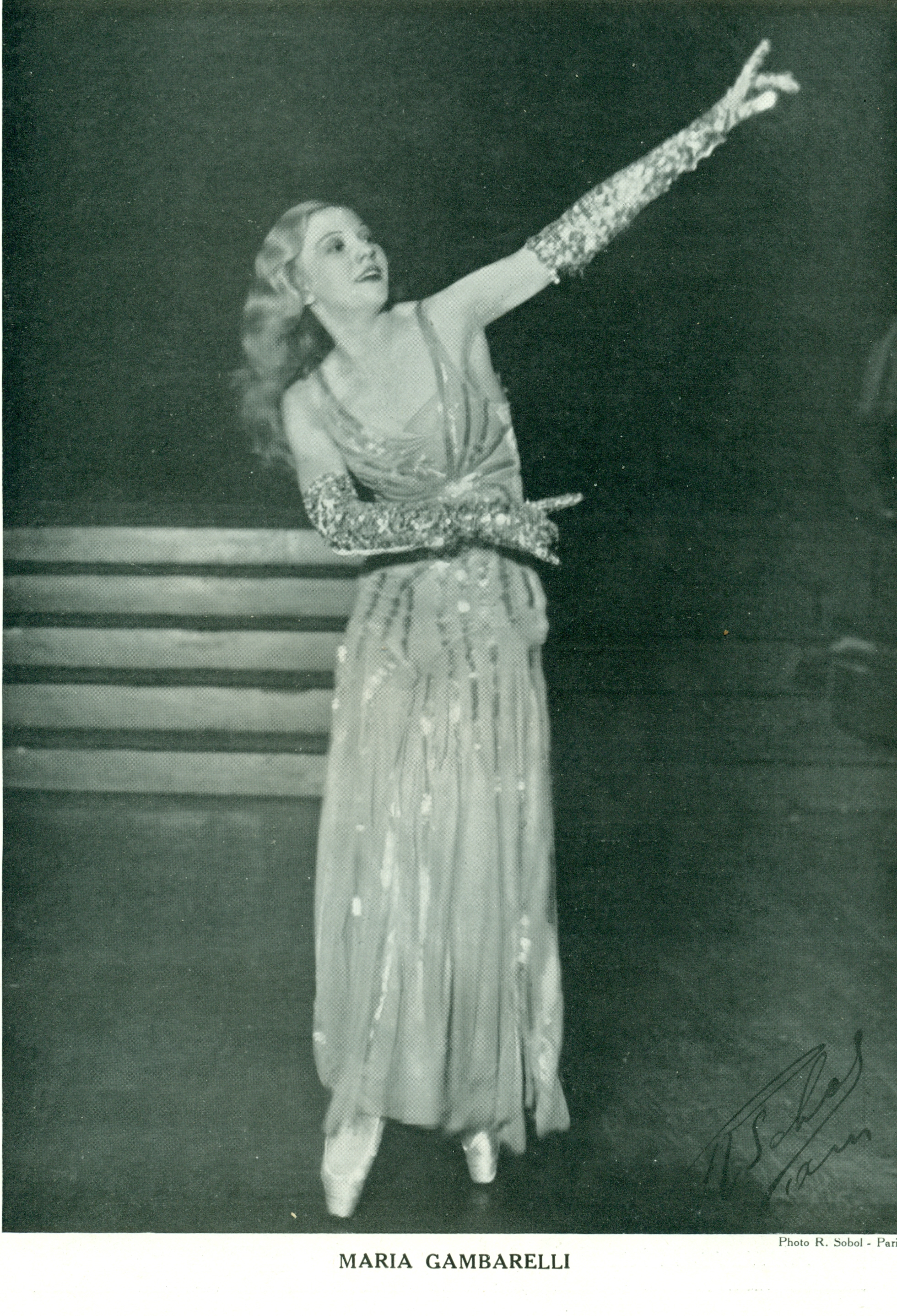
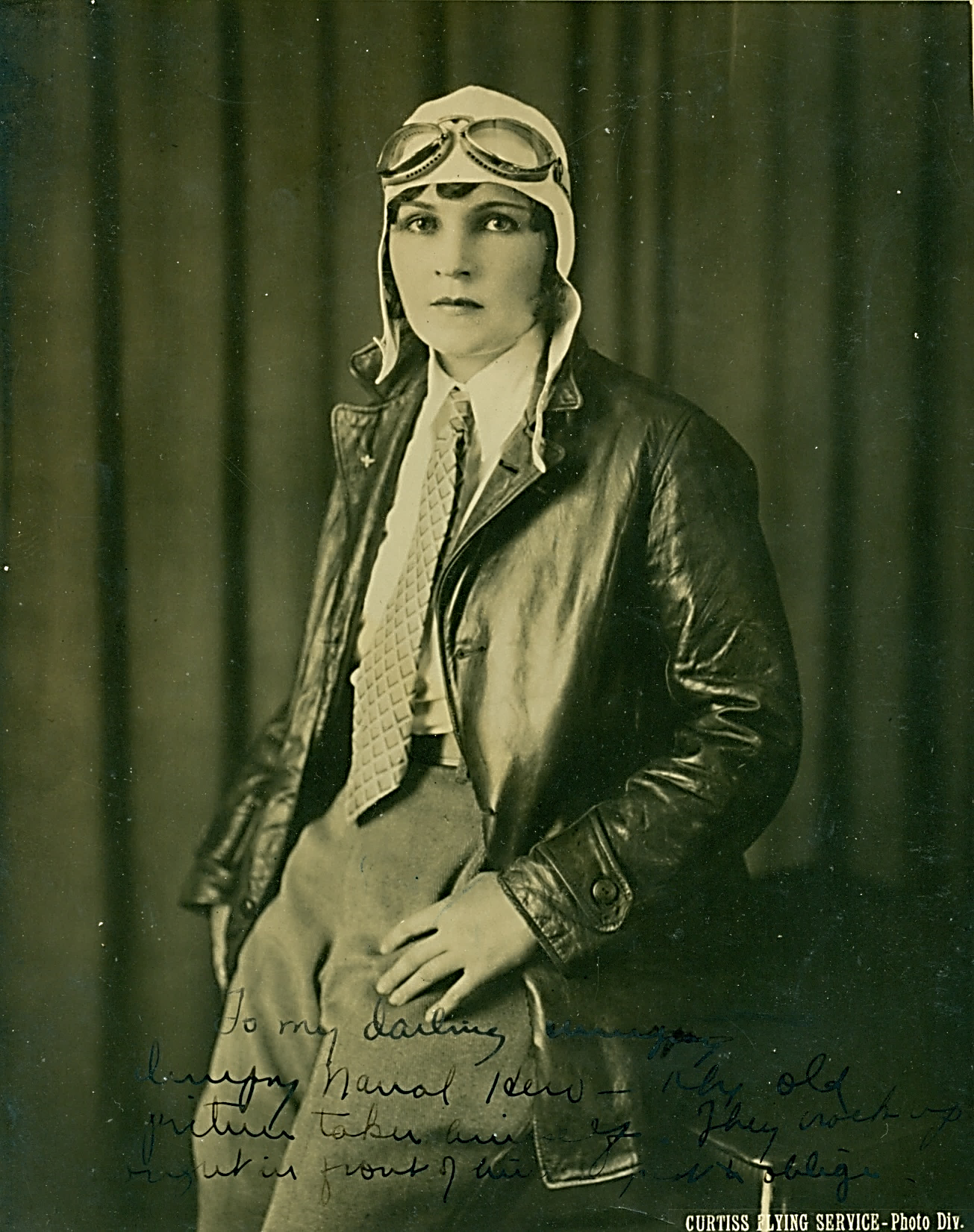
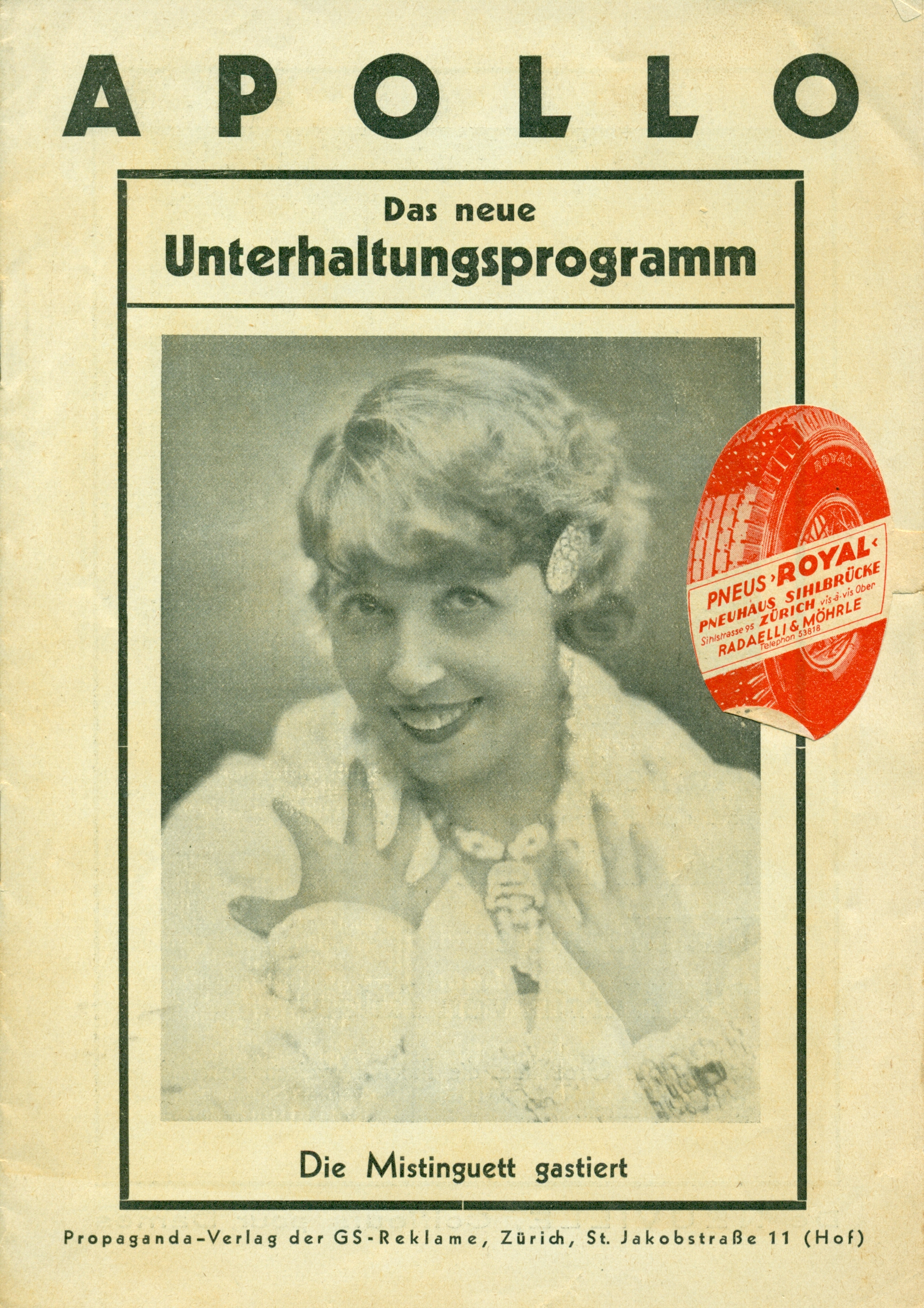
Their names were Carmen Morales, Maria Gambarelli, Mistinguett, and Frances Harrell Marsalis. These four women carved out professional careers, achieving various levels of fame, in an early 20th century largely dominated by men. All four figures also weave into my first book, River of January, as friends and employers of my main characters. It has been an interesting journey, filled with pleasant surprises, plus an honor to revive their names, and present these women to 21st Century readers.

All four women lived life on their own terms.

Frances Harrell Marsalis, an ambitious, Texas-born wife, left her husband and children, relocating to New York’s Roosevelt Field. Obsessed with aviation, Frances dutifully put in her time, honing the specialized skills necessary to aviation until she, too, finally strapped into the cockpit.

Allying with other women pilots at the famed airfield, Frances joined in forging The Ninety Nines, a sorority of women flyers, electing Amelia Earhart the organizations first president. These women formed a tight-knit association, attracting endorsements from advertisers, (usually for products like cosmetics) to earn enough money to stay in the air.

In a 1934 Dayton, Ohio air race, Frances met her demise while rounding a pylon, trapped in wing-to-wing congestion. Another plane bumped hers, and flying low Frances launched into a fiery cartwheel. She survived in the wreckage, but died shortly after.

Frances Harrell Marsalis entered the pages of River of January as Mont Chumbley’s first serious love.

Rich in Old World sensibilities, Carmen Morales and Maria Gambarelli embodied excellence in the performing arts.

Gambarelli, American-born, of Italian descent, rose to fame as a celebrated New York ballerina. Renowned for her devotion to dance, Gambarelli promoted American ballet with a missionary’s zeal. In 1932 the prima ballerina agreed to headline a European tour featuring talented American ballerinas. Twenty-year-old Helen auditioned, made the cut, and joined this company of ingenue dancers, soon crossing the Atlantic aboard the SS Ille de France. Once in Paris, an unexpected dispute erupted between Gambarelli and the tour producers over creative authority. The prima ballerina either quit or was fired—Helen’s letters indicate the girls weren’t sure. Gambarelli returned to America embroiled in a lawsuit with the promoters.

Born in Spain’s Canary Islands, lovely Carmen Morales found her way to culturally vibrant New York City by 1930. Like Helen, Carmen earned a spot in Gambarelli’s 1932 European tour. An accomplished dancer, she and Helen developed a warm friendship underscored with daily rehearsals, nightly performances, cheap hotel rooms, cheaper food, and endless hours on rail cars.

The bond between the two lasted a lifetime.

In Monte Carlo, Carmen met and fell in love with an American hoofer, Earl Leslie. The couple quickly married in Marseilles, and Carmen, with her new husband, left the show in 1933. The newlyweds accepted a position managing a string of German nightclubs from a central office in Berlin. Unfortunately, visits from Adolf Hitler’s paramilitary Brownshirts quickly convinced Carmen and her husband, to resign and escape the country.

The marriage with Leslie didn’t last much longer either, and Carmen left Earl while performing in Buenos Aires, Argentina.

Making her way to Los Angeles in the late 1930’s, Carmen settled in Sherman Oaks, and pursued a career in motion pictures. Director John Ford signed Morales to star in Warner Brothers, The Long Journey Home with John Wayne in 1940. Following that release, Carmen appeared in other features, and later took roles on television. She died in Sherman Oaks in 2000.

The most famous of the four was French entertainer, Mistinguett. Though not well known in America, this music hall icon is still revered by generations of French devotees of the stage. By the time Helen became acquainted with “Miss,” as she referred to the celebrity, the songstress was well into middle age; her beauty beginning to fade. Nonetheless, when Miss signed the American ballerinas to her variety show, following the Gambarelli fiasco, Helen and her fellow dancers were fascinated by their new boss.

Rumors abounded in the dressing room regarding the grand lady’s legendary love affairs, especially with French heart-throb, Maurice Chevalier. Though significantly older than Chevalier, Mistinguett had engaged in a torrid affair years earlier, when Chevalier had been a mere chorus boy.

But all gossip fell silent when the grand lady took the stage—no one spoke, nor laughed. They instead watched and listened in rapt awe and admiration. “Miss’s” signature song, Mon Homme, reliably brought the house down, with teary-eyed audiences clamoring for more. By the way, Mon Homme translates to My Man, first made popular in America by Ziegfeld girl, Fanny Brice, then again by Barbra Streisand in Funny Girl.

River of January, for me, lived up to its promise of adventure. My journey of discovery led back to an inspiring, adventurous era, where women dared fortune equal to their male counterparts.

For more about these fascinating ladies read River of January, and River of January: Figure Eight, by Gail Chumbley. Visit www.river-of-january.com. Also available on Kindle.

gailchumbley@gmail.com